X
wikiHow is a “wiki,” similar to Wikipedia, which means that many of our articles are co-written by multiple authors. To create this article, 18 people, some anonymous, worked to edit and improve it over time.
This article has been viewed 14,564 times.
Learn more...
Whether you're looking for a workout, trying to spare the air, or just getting from Point A to Point B, walking can be a great way to get where you're going. A few practical considerations will help make your trip safe, effective, and efficient.
Steps
-
1Have the purpose of your trip in mind. Are you working out or commuting to work, exploring a new city or saving on fuel and parking? Let your purpose guide your plans and your walk.
-
2Plan your route. If this is the first time you've walked for this sort of trip, it will help to plan your route.Advertisement
-
3Look for a reasonably direct route. Walking is slow and requires some effort, compared to other modes of transportation.
-
4Look for a walkable route. Online maps or GPS may be able to help. Try for relatively quiet streets with sidewalks, if you have the choice. Lighting is a plus, if you will be walking in low light or darkness.
-
5Avoid questionable areas of town. If you live in the place, you may already know which areas these are. If you are new, or are not certain, try to ask someone who is local to the area.
-
6Allow plenty of time. If this is your first walking trip, or your first walking trip in a new area or on a new route, allow extra time, in case the trip takes longer than intended. Remember, it can take a lot of extra time to correct if you make a wrong turn or have to detour around an unexpected obstacle on foot.
-
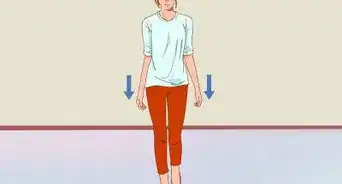
7Dress for the weather and for your walk. You may get quite warm as you get going, because walking is good exercise.
- Layers are a good choice. If you get too warm or cold, you can add or remove layers.
- Take along an umbrella or other rain gear if needed.
- Wear comfortable, movable clothing that fits well.
-
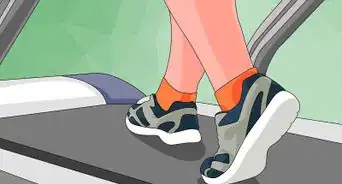
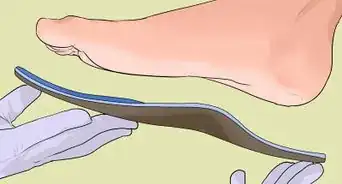
8Wear sturdy, comfortable shoes. If you normally wear dress shoes at the office or elsewhere, you may want to leave them there or carry them with you. The right shoes will make walking comfortable and will not disintegrate when you really walk in them.-
-
9Dress for visibility. Dark clothes don't show up well on in low light or darkness. Better choices include reflectors or reflective materials and light or brightly-colored clothing.
- Look for bags, jackets, shoes, and hats with reflectors built in, so that it is effortless to use them. Carry lights with you if you will be out at night.
- Remember that motorists may be looking through windshield glare or dirt. If you're not sure, go for extra visibility.
-
10Choose your luggage carefully. For a workout or exercise walk, ID and a water bottle may be all you need. For a day at the office, you may need more. Keep the items carried to a minimum, because every additional item adds weight to your load and complexity to your life. Both will tend to slow you down.
-
11Don't forget anything. You may not have an easy trip to go get something you omitted to bring. Use a checklist, mnemonic, or "launch pad" strategy to make sure you take what you need—no less, no more.
-
12Be courteous to other sidewalk users. Make way for other pedestrians and groups you may meet. If the sidewalk is crowded, keep with the pace of traffic. Stay to one side if you are going slower than everyone else.
-
13Be cautious of motor and bicycle traffic.
- Keep alert for motorists and bicyclists. Remember that you may not be able to hear a bicyclist until he/she is very close.
- In many places, bicycle traffic should not be on the sidewalk, but it is a frequently broken rule. If you do encounter bicycles on the footpath, avoid making sudden moves. They will most often go around you.
- Motor traffic should definitely not be on the sidewalk, but it will cross driveways. Look for it before crossing these places.
- Do not walk out suddenly from behind or between parked cars.
- Cross streets safely.
- When practicable, make eye contact with motorists before crossing their paths. Many motorists will acknowledge a wave or nod, so that you are certain they have seen you and agree to wait for you to cross.
-
14Walk confidently to your destination. Giving the appearance of taking command of your space may help with keeping a pace; deterring panhandlers, salespeople, and would-be thieves; and being visible and getting your turn when you encounter motorists and others.
- Face forward and keep your head up. Use your eyes to scan the ground, if you need to keep watch for broken or missing pavement. Look side to side if you need to.
Advertisement


Community Q&A
-
QuestionWhat side should I use when walking?
 Maddie.summersCommunity AnswerIt depends on where you are in the world. Most countries have this unspoken rule - walk on the side that you drive on.
Warnings
- Even if you technically have the right-of-way, don't assume a motorist has seen you and will stop. Make sure the motorist has seen you and acknowledged you before stepping out.Thanks!
Advertisement








About This Article
Advertisement