This article was co-authored by wikiHow staff writer, Hannah Madden. Hannah Madden is a writer, editor, and artist currently living in Portland, Oregon. In 2018, she graduated from Portland State University with a B.S. in Environmental Studies. Hannah enjoys writing articles about conservation, sustainability, and eco-friendly products. When she isn’t writing, you can find Hannah working on hand embroidery projects and listening to music.
This article has been viewed 1,541 times.
Learn more...
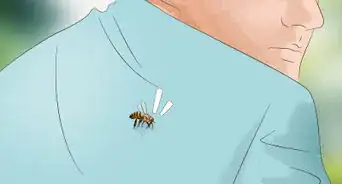
If you love to head outside in the summer, you’re probably no stranger to bee and wasp stings. The red paper wasp, which is active in the eastern part of the United States, has a particularly painful sting. Thankfully, red wasp stings usually don’t cause a severe reaction, but there are some measures you can take to reduce your pain and discomfort. If you have any signs of an allergic reaction, call emergency services right away.
Steps
Method 1
Method 1 of 11:Wash the area with soap and water.
-
1This will help prevent infection and reduce some of the swelling. Head to the sink and gently rinse the area, then use soap to clean it thoroughly. Use cold water to soothe your skin and prevent swelling. Pat your skin dry with a towel gently to avoid irritating your sting any further.[1]
- Washing the sting helps get rid of any lingering venom that might still be on your skin. It’s a good first step to take before you do anything else to ensure that you don’t make your sting worse.
- It’s important to keep your sting clean as it heals, too. Try to wash the area once a day to prevent infection.

Method 2
Method 2 of 11:Hold a cold compress against your sting.
-
1Wasp stings tend to swell up fast, which can cause discomfort. You can reduce your swelling by filling a bag with ice cubes and wrapping it in a kitchen towel, then holding it against your sting. Or, you can wrap an ice pack in a towel and press it against your skin. Try using cold compresses for 20 minutes at a time until your swelling goes down.[2]
- Always wrap your cold compress in a towel first so you don’t hurt your skin by getting it too cold.

Method 3
Method 3 of 11:Reduce inflammation with an OTC hydrocortisone cream.
-
1This over-the-counter cream can help soothe your skin and reduce swelling. It can also help alleviate some of the pain that comes with a wasp sting. Pick up a tube of this cream from the drug store and follow the dosage instructions on the back. Usually, you can apply hydrocortisone cream a few times a day until the sting doesn’t hurt anymore.[3]
- If the skin is broken where you got stung, apply the cream around the sting, but not directly on top of the open wound.

Method 4
Method 4 of 11:Try calamine lotion to reduce swelling and pain.
-
1Calamine lotion also helps combat itchiness. Head to the drug store and pick up a bottle of calamine lotion, then apply a thin layer on your sting. You can reapply the lotion every few hours until the sting doesn’t hurt or itch anymore. Keep using it throughout the healing process, as it can help you avoid itching or scratching at your sting over time.[4]
- If you’ve already used hydrocortisone cream, that’s fine—you can add calamine lotion on top (and vice versa).

Method 5
Method 5 of 11:Take an oral antihistamine for any itchiness.
-
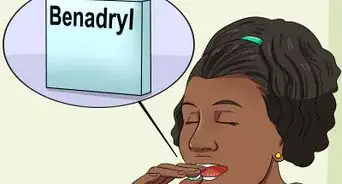
1Sometimes, topicals just won’t cut it. If you’ve used a few lotions and creams and your sting still itches, try taking an over-the-counter oral antihistamine. Follow the dosage instructions on the bottle, and talk to your doctor before giving antihistamines to young children.[5]
- Try not to mix oral antihistamine types, as they can sometimes have different dosage recommendations.

Method 6
Method 6 of 11:Minimize pain with an OTC pain reliever.
-
1Acetaminophen and ibuprofen can help relieve any discomfort. Head to the drug store and pick up a bottle of medicine, then follow the dosage instructions on the back. Usually, a wasp sting will only hurt for the first day or so, so you shouldn’t need to keep taking pain relievers for too long. If you’ve already taken an antihistamine, wait a few hours before taking a pain reliever, as the combination can be harsh on your stomach.[6]
- Check with your doctor before giving pain relievers to children.

Method 7
Method 7 of 11:Avoid scratching or rubbing the sting.
-
1As your sting heals, it might itch or be uncomfortable. Although it might be tough, try to avoid the temptation to itch or scratch your sting, as that could cause it to heal slower. If you need to, cover the sting with a bandage so you’re less likely to touch it.[7]
- If your child got stung, cut their nails short so they can’t scratch their sting.

Method 8
Method 8 of 11:Apply a mixture of baking soda and water to soothe the skin.
-
1If you can’t get to the drug store, that’s okay! Mix baking soda with a few drops of water until it forms a thick paste. Spread the paste on your bite 1 to 2 times a day to reduce swelling and soothe your skin. When the baking soda paste dries, use a wet washcloth to wipe it off, then rinse your skin.[8]
- Baking soda helps neutralize wasp stings because wasp venom is naturally acidic, while baking soda is an alkaline.

Method 9
Method 9 of 11:Dab meat tenderizer paste on the sting to reduce pain.
-
1Meat tenderizer paste helps break down the protein that causes pain. If you have any meat tenderizer powder on hand, make a mixture of 1 part meat tenderizer and 4 parts water. Use a cotton ball to dab the paste on your sting, then rinse it off after about 20 minutes. This is a good option to use if you don’t have time to run to the drug store.[9]
- If your sting is near your eye, don’t use this method. Meat tenderizer paste can cause eye irritation.

Method 10
Method 10 of 11:Soak the sting in apple cider vinegar to reduce itching.
-
1The vinegar may help neutralize some of the venom left from the sting. Grab a cotton ball and soak it in a bowl of apple cider vinegar, then hold it against your sting for 15 to 20 minutes. Gently rinse your skin with cool water and pat it dry with a towel to prevent any further irritation.[10]
- This is a home remedy that some people swear by, but doctors don’t usually recommend it. However, it doesn’t hurt to try.

Method 11
Method 11 of 11:Call emergency services if you have an allergic reaction.
-
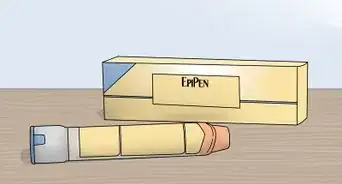
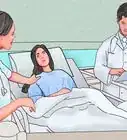
1If you’re allergic to wasp venom, you could have a serious reaction. Signs of an allergic reaction include breathing difficulties, dizziness, swollen hands or mouth, rapid heartbeat, or hives. If that’s the case, call emergency services right away, as you may need medical attention.[11]
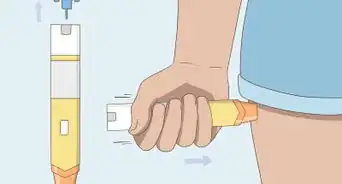
- If you’re allergic to wasp stings, you’ll most likely be treated with epinephrine to stabilize you. After that, medical personnel will treat your other symptoms.

Warnings
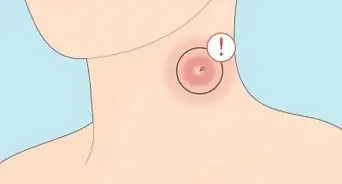
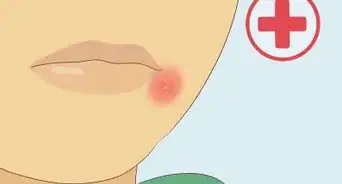
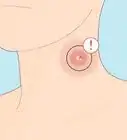
- If you think your sting is infected, seek medical care right away. Signs of an infection include an increase in pain, swelling, or redness.[13]Thanks!
References
- ↑ https://www.mayoclinic.org/first-aid/first-aid-insect-bites/basics/art-20056593
- ↑ https://www.mayoclinic.org/first-aid/first-aid-insect-bites/basics/art-20056593
- ↑ https://www.mayoclinic.org/first-aid/first-aid-insect-bites/basics/art-20056593
- ↑ https://www.mayoclinic.org/first-aid/first-aid-insect-bites/basics/art-20056593
- ↑ https://www1.nyc.gov/site/doh/health/health-topics/wasps.page
- ↑ https://www.seattlechildrens.org/conditions/a-z/bee-or-yellow-jacket-sting/
- ↑ https://myhealth.alberta.ca/Health/aftercareinformation/pages/conditions.aspx?hwid=bu1273
- ↑ https://myhealth.alberta.ca/Health/aftercareinformation/pages/conditions.aspx?hwid=bu1273
- ↑ https://www.seattlechildrens.org/conditions/a-z/bee-or-yellow-jacket-sting/
- ↑ https://wfmchealth.org/family-health-care/4-steps-for-treating-a-bee-sting-the-right-way/
- ↑ https://www.nhs.uk/conditions/insect-bites-and-stings/symptoms/
- ↑ https://www.seattlechildrens.org/conditions/a-z/bee-or-yellow-jacket-sting/
- ↑ https://www.seattlechildrens.org/conditions/a-z/bee-or-yellow-jacket-sting/











































Medical Disclaimer
The content of this article is not intended to be a substitute for professional medical advice, examination, diagnosis, or treatment. You should always contact your doctor or other qualified healthcare professional before starting, changing, or stopping any kind of health treatment.
Read More...