This article was co-authored by wikiHow staff writer, Jessica Gibson. Jessica Gibson is a Writer and Editor who's been with wikiHow since 2014. After completing a year of art studies at the Emily Carr University in Vancouver, she graduated from Columbia College with a BA in History. Jessica also completed an MA in History from The University of Oregon in 2013.
This article has been viewed 1,264 times.
Learn more...
When your kid gets a wasp sting it's always a cause for concern. Children usually have more swelling than adults and the shock of being stung can be scary! Fortunately, if you already know what to do, you can immediately treat the sting and comfort your child so they feel reassured. If you're not sure where to begin, check out these common questions about wasp stings.
Steps
Question 1
Question 1 of 5:What should I do if my child gets stung by a wasp?
-
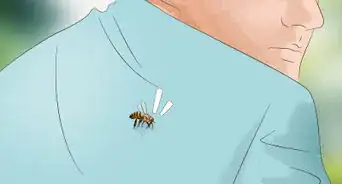
1Wash the area with soap and water. Use cool water to help soothe the skin and wash away venom that might be on the surface. You can wash the area 2 or 3 times a day until the skin is no longer red and swollen.[1]
- Your child will probably be upset and worried that what you're doing will make the sting hurt more. Let them know that you're just washing it to make it feel better.
-
2Place an ice pack on the skin to reduce swelling. Wasp stings can really swell up and hurt, but an ice pack can really help! Wrap an ice pack in a cloth and press it on the area for 10 minutes. Then, leave it off for 10 minutes. Keep alternating back and forth for 10-minute increments.[2]
- If you don't have an ice pack, you can wrap a bag of frozen vegetables in a cloth. The cloth just prevents the extreme cold from damaging the bare skin.


Question 2
Question 2 of 5:How can I make my child more comfortable?
-
1Apply an antihistamine or corticosteroid cream to their skin. It's pretty common for the sting area to start itching after it's turned red. Since you don't want your child to scratch the skin, gently rub antihistamine cream, corticosteroid cream, or calamine lotion onto the area to soothe it.[3]
- If you're using calamine lotion, reapply it if it begins to flake off.
-
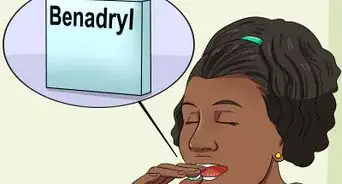
2Give your child acetaminophen or ibuprofen to manage the pain. If you've got children's pain medication at home, it's completely fine to give them some. Always give your child a dose based on their age and weight—this is usually listed on the back of the package or you could ask their pediatrician.[4]
- Keep in mind that acetaminophen doesn't reduce inflammation or swelling, but ibuprofen does.


Question 3
Question 3 of 5:What's the best home remedy for a wasp sting?
-
1Make a baking soda paste to neutralize the wasp venom. Mix 1/4 cup (57 g) of baking soda with 2 teaspoons (9.9 ml) of water to make a thick paste. Then, spread it on the area and leave it alone. Reapply the paste every 15 minutes to reduce the pain.[5]
- You can reapply a layer directly over the first layer or wash the skin each time you reapply.
- Although research is needed to prove baking soda's effectiveness, this is a popular home remedy for wasp stings.

Question 4
Question 4 of 5:How long does a wasp sting stay swollen?
-
1Swelling and redness can last for 7 days. Unfortunately, swelling and redness are really common with kids and wasp stings—the area might keep swelling up to 48 hours after the sting. Swelling can start to go away in the following days, but it's not uncommon for the skin to be red and swollen for up to a week.[6]
- If your child was stung near their neck or throat and it's swelling up, you need to get them emergency medical attention. The swelling could make it hard for them to breathe.
- Don't be surprised if the skin swells and gets red around the sting—you may see it extend up to 3 or 4 inches (7.6 or 10.2 cm) away from the sting.[7]

Question 5
Question 5 of 5:When should I be concerned about a wasp sting?
-
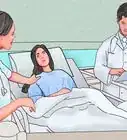
1Get immediate medical attention if you suspect a wasp allergy. While slight redness, swelling, and itchiness are common with wasp stings if the symptoms are severe or you also notice these signs of an allergy, contact your child's pediatrician or nurse hotline for advice:[8]
- Large rash or large area of swelling
- Belly pain, nausea, or vomiting
-
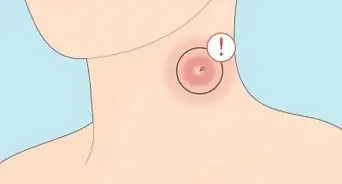
2Call your child's doctor if you suspect the area is infected. If it's been a few days and the skin around the wasp sting doesn't look like it's healing, it may be infected. Contact the pediatrician, nurse hotline, or urgent care if you see these symptoms:[9]
- Increased pain
- Swelling and redness
- Warmth or red streaks around the area
- Pus draining from the sting
- Fever
-
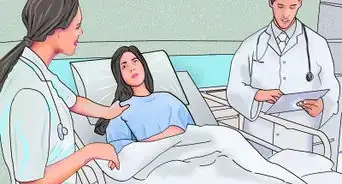
3Take your child for emergency treatment if they were stung near the mouth. These stings can be serious since severe swelling near the mouth or throat can block airways. Don't hesitate to take your child for emergency medical treatment.[10]
- Your child might need medical treatment if they develop a rash or swelling that covers a large area or if they're in pain for days.[11]


Warnings
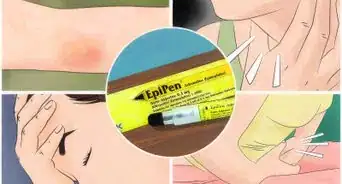
- Get emergency medical attention if your child was stung more than 5 times, or you think they're having a life-threatening allergic reaction—they have trouble breathing, tightness in the throat or chest, swelling on their face, dizziness, fainting, nausea, or vomiting.[12]Thanks!
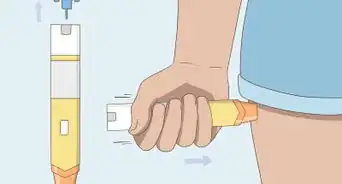
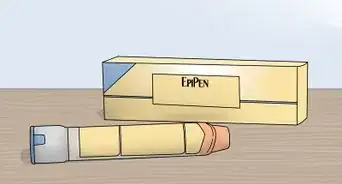
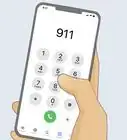
- If you see signs of a serious allergic reaction, use an epinephrine pen if you have access to one and call 911.[13]Thanks!
References
- ↑ https://kidshealth.org/en/parents/bee-stings.html
- ↑ https://www.stanfordchildrens.org/en/topic/default?id=insect-stings-in-children-90-P02854
- ↑ https://www.stanfordchildrens.org/en/topic/default?id=insect-stings-in-children-90-P02854
- ↑ https://kidshealth.org/en/parents/bee-stings.html
- ↑ https://www.choc.org/news/what-to-do-if-you-get-stung-by-a-bee/
- ↑ https://www.childrenscolorado.org/conditions-and-advice/conditions-and-symptoms/symptoms/bee-or-yellow-jacket-sting/
- ↑ https://myhealth.alberta.ca/Health/aftercareinformation/pages/conditions.aspx?hwid=uh3298
- ↑ https://myhealth.alberta.ca/Health/aftercareinformation/pages/conditions.aspx?hwid=bu1273
- ↑ https://myhealth.alberta.ca/Health/aftercareinformation/pages/conditions.aspx?hwid=bu1273











































Medical Disclaimer
The content of this article is not intended to be a substitute for professional medical advice, examination, diagnosis, or treatment. You should always contact your doctor or other qualified healthcare professional before starting, changing, or stopping any kind of health treatment.
Read More...