This article was co-authored by wikiHow staff writer, Sophia Latorre. Sophia Latorre is a Content Manager on the wikiHow team. Before joining wikiHow, Sophia worked as a technical editor and was published in six International Energy Agency (IEA) Wind Annual Reports. Now, she writes, edits, and reviews articles for the wikiHow Content Team, working to make the content as helpful as possible for readers worldwide. Sophia holds a BA in English from Colorado State University.
There are 12 references cited in this article, which can be found at the bottom of the page.
This article has been viewed 4,056 times.
Learn more...
Are you dreaming of the sandy beaches and warm breezes of the tropical islands of Hawaii? Even if you’re on a budget, you can still retire in paradise and we’re here to show you how! We’ll start by walking you through the best places to live and then give you tips for saving money on everything from groceries to gasoline. No matter where you end up, the lovely weather and lush landscape will make enjoying life in Hawaii easy.
Steps
Method 1
Method 1 of 12:Move to Kailua-Kona on the Big Island for the lowest home prices.
-
1Not only will you save money, but you’ll also get more land.[1] Kailua-Kona is an oceanfront city with amenities from golf courses to a historic national park.[2] Another budget-friendly option is Pahala—a great choice if you’re looking for a rural, remote location. If you want to be closer to the capital of Hilo, try Kurtistown.[3]
- Renting a 2-bedroom in Hawaii county costs about $1,271 per month. The average single-family home price is $330,400.[4]

Method 2
Method 2 of 12:Go to Lihue, Kauai if you want a laid-back lifestyle.
-
1If you want a tranquil island location, look no further.[5] Living in the capital of Lihue will give you access to the airport and harbor at an affordable rate. The city of Waimea is a great option if you want access to Waimea Canyon or Kokee State Park, and there are plenty of shops and businesses here as well.[6]
- A 2-bedroom in Kauai county is about $1,463 per month to rent. The cost of a single-family home averages $625,500.[7]

Method 3
Method 3 of 12:Set up in Paia, Maui to experience all that Hawaii has to offer.
-
1Maui boasts beautiful views and a wide range of activities. However, Maui also attracts millions of visitors each year.[8] Paia is a charming town that isn't well-known by visitors, so you'll be able to enjoy some peace and quiet.[9] The city of Hana is an inexpensive option that offers some isolation in addition to stunning gardens and beaches. Haiku is a more rustic spot that will allow you to live a simple life in peace.[10]
- In Maui county, rent for a 2-bedroom will set you back about $1,568 per month. To buy a single-family home, you’ll pay an average of $620,000.[11]

Method 4
Method 4 of 12:Retire in Kaneohe, Oahu if you’re looking for lots of amenities.
-
1Oahu is the most expensive island, but it comes with a lot of perks. You’ll enjoy 80 °F (27 °C) days nearly year-round and tons of shops and attractions in the capital of Honolulu and the surrounding areas.[12] Kaneohe offers mountains, beaches, city, and country, so there's something for everyone.[13] Alternatively, Wahiawa is a great option if you want to be near the north shore beaches, while Laie is home to a large Mormon population as well as a Polynesian cultural center.[14]
- In Honolulu county, the cost of a 2-bedroom rental is about $1,982 per month. The average price of a single-family home is $735,000.[15]

Method 5
Method 5 of 12:Rent instead of buying a home.
-
1Buying a home in Hawaii isn’t cheap, so you might want to rent, at least at first. If you haven’t spent a ton of time in Hawaii, renting for the first few months can help you figure out if you’ve found the right location for you.[16] You can check out the amenities, public transportation situation, and get a feel for the neighborhood before setting up shop for good. Plus, almost half of all Hawaiin residents are renters, so it might be easier to find a rental in your desired area.[17]

Method 6
Method 6 of 12:Downsize before you move.
-
1Getting your goods to Hawaii is expensive, so move the least amount possible. Shipping furniture and other large items will set you back a pretty penny and will be a hassle. Fortunately, many homes are available to rent fully furnished. Before you head to the islands, sell as many of your possessions as you can and use the cash to buy what you need when you get there.[18]

Method 7
Method 7 of 12:Shop locally.
-
1Save money by skipping imported goods and their high prices. The Hawaiin climate is perfect for growing a wide variety of fruits and vegetables, so farmer’s markets are the best place to get your produce. [19]
- Checking out markets and small shops will also give you a chance to meet locals. You can make friends and find out about the best restaurants, businesses, and events in the area, so it's definitely a win-win.

Method 8
Method 8 of 12:Use the Kama'aina discount.
-
1Once you have a Hawaiian ID, you can save up to 15%. Whenever you stop for groceries or a meal, ask for the Kama'aina discount. This cost-cutting perk is only available to locals, and until you’re a familiar face in the neighborhood, you’ll probably have to show your ID. Chain stores and restaurants might not offer this deal, but most locally-owned businesses will.[20]
- Looking for a discount on a Hawaiian resort? Call them up and ask if they offer a Kama'aina discount for locals—many places do, especially during the off-season for tourists. That means you can have a luxurious stay-cation for a great price!

Method 9
Method 9 of 12:Buy goods in bulk.
-
1Shop wholesale for things you’ll need regularly. While you can certainly find great prices on locally-grown foods at small shops, buying paper goods, cleaning supplies, pre-packaged food and more in bulk is the way to go. Locals recommend getting a Costco membership, as there are several stores on the islands. And, they stock local Hawaii favorites![21]

Method 10
Method 10 of 12:Walk, bike, or take public transit.
-
1The cost of gasoline is pretty high in Hawaii, so only drive when you need to. Combine trips so you’re not wasting gas running out for milk one day and bread the next. Fortunately, there are lots of paths that allow you to get around each island if you walk or bike to your destination. Public transportation is most widely available on the island of Oahu. Maui and Kauai also have bus systems that will allow you to get around the island. Unfortunately, the buses are limited and often unreliable on the Big Island of Hawaii.[22]
- Don’t buy or bring a car if you don’t plan to use it regularly. You’ll save money on insurance and maintenance. Plus, you can rent a car for cheap ($34/day) using an app like Turo.[23]
- The ride-share company Uber operates on all of the Hawaiin islands, and there are now bike-share and car-share companies available as well.[24]

Method 11
Method 11 of 12:Take advantage of free activities.
-
1Did you know that you can visit any of Hawaii’s public beaches for free? There are also tons of hiking trails and scenic paths that won’t cost you a dime to enjoy. No need to shell out the dough for expensive tours when you can explore the islands on your own for free.[25]
- If you do want to visit a tourist attraction, look for deals on Groupon.[26]

Method 12
Method 12 of 12:Live a green lifestyle.
-
1The cost of electricity is about 50% higher in Hawaii than the US average.[27] Save money by making small changes, including turning off electronics when you’re not using them, air-drying your dishes and laundry, and lowering the thermostat on your water heater. To cut costs even more, switch to energy-efficient appliances and light bulbs and use a programmable thermostat.[28]

Community Q&A
-
QuestionWhat is a solo 401k plan?
 Dmitriy FomichenkoDmitriy Fomichenko is the president of Sense Financial Services LLC, a boutique financial firm specializing in self-directed retirement accounts with checkbook control based in Orange County, California. With over 19 years of financial planning and advising experience, Dmitry assists and educates thousands of individuals on how to use self-directed IRA and Solo 401k to invest in alternative assets. He is the author of the book "IRA Makeover" and is a licensed California real estate broker.
Financial PlannerA solo 401k is a qualified retirement plan. It is designed specifically for those people who are either self-employed or own a small business without full-time employees. -
QuestionIs it necessary to plan for retirement?Dmitriy FomichenkoDmitriy Fomichenko is the president of Sense Financial Services LLC, a boutique financial firm specializing in self-directed retirement accounts with checkbook control based in Orange County, California. With over 19 years of financial planning and advising experience, Dmitry assists and educates thousands of individuals on how to use self-directed IRA and Solo 401k to invest in alternative assets. He is the author of the book "IRA Makeover" and is a licensed California real estate broker.
Financial PlannerYes, it is necessary to plan for retirement. You cannot rely on Social Security as there may be a crisis, and it may not be available. -
QuestionWhat should I do so that I do not have to liquidate my assets?Dmitriy FomichenkoDmitriy Fomichenko is the president of Sense Financial Services LLC, a boutique financial firm specializing in self-directed retirement accounts with checkbook control based in Orange County, California. With over 19 years of financial planning and advising experience, Dmitry assists and educates thousands of individuals on how to use self-directed IRA and Solo 401k to invest in alternative assets. He is the author of the book "IRA Makeover" and is a licensed California real estate broker.
Financial PlannerTry to build a portfolio of assets that produce passive income. So you will have assets that you will never have to liquidate. They will continue to generate money for you.
Tip
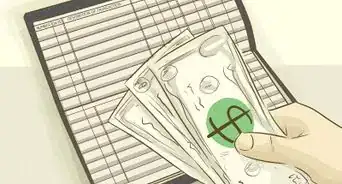
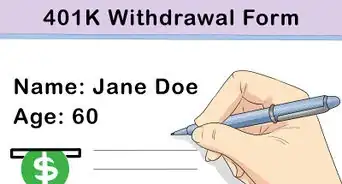
- While your pension and social security income won’t be taxed in Hawaii, distributions from IRAs and 401(k) plans will be.[29]



-Step-15.webp)






References
- ↑ https://realhawaii.co/blog/hawaiian-islands-which-island-to-live-on
- ↑ https://investmentu.com/best-places-to-retire-in-hawaii/
- ↑ https://www.onlyinyourstate.com/hawaii/affordable-cities-hi/
- ↑ https://www.hawaiilife.com/blog/cost-living-island-rank/
- ↑ https://realhawaii.co/blog/hawaiian-islands-which-island-to-live-on
- ↑ https://www.onlyinyourstate.com/hawaii/affordable-cities-hi/
- ↑ https://www.hawaiilife.com/blog/cost-living-island-rank/
- ↑ https://realhawaii.co/blog/hawaiian-islands-which-island-to-live-on
- ↑ https://investmentu.com/best-places-to-retire-in-hawaii/
- ↑ https://realhawaii.co/blog/hawaiian-islands-which-island-to-live-on
- ↑ https://www.hawaiilife.com/blog/cost-living-island-rank/
- ↑ https://realhawaii.co/blog/hawaiian-islands-which-island-to-live-on
- ↑ https://investmentu.com/best-places-to-retire-in-hawaii/
- ↑ https://www.onlyinyourstate.com/hawaii/affordable-cities-hi/
- ↑ https://www.hawaiilife.com/blog/cost-living-island-rank/
- ↑ https://www.hawaii-guide.com/moving-to-hawaii
- ↑ https://www.hawaiilife.com/blog/cost-living-island-rank/
- ↑ https://www.hawaii-guide.com/moving-to-hawaii
- ↑ https://www.hawaiilife.com/blog/offset-cost-living-tips-locals/
- ↑ https://www.hawaiilife.com/blog/offset-cost-living-tips-locals/
- ↑ https://onolicioushawaii.com/costco-hawaii/
- ↑ https://www.hawaiilife.com/blog/cost-living-island-rank/
- ↑ https://www.insider.com/15-insider-secrets-that-will-save-you-money-in-hawaii-2018-3#4-rent-the-perfect-car-for-less-4
- ↑ https://www.hawaiilife.com/blog/cost-living-island-rank/
- ↑ https://www.hawaiilife.com/blog/offset-cost-living-tips-locals/
- ↑ https://www.insider.com/15-insider-secrets-that-will-save-you-money-in-hawaii-2018-3#8-get-groupon-discounts-for-tours-and-more-8
- ↑ https://www.dwellhawaii.com/blog/what-cost-living-hawaii-2020/
- ↑ https://www.energy.gov/sites/prod/files/energy_savers.pdf
- ↑ https://www.aarp.org/money/taxes/info-2020/states-that-dont-tax-retirement-distributions.html
About This Article




-Step-15.webp)