wikiHow is a “wiki,” similar to Wikipedia, which means that many of our articles are co-written by multiple authors. To create this article, volunteer authors worked to edit and improve it over time.
This article has been viewed 1,393 times.
Learn more...
When Windows is corrupted, you may notice some features not working properly or at all. Also, your computer may frequently crash or freeze. Luckily, it is possible to fix these issues by running a few simple commands in Command Prompt. This article will tell you what these commands are, and how to run them.
If your Windows installation is so corrupted that it cannot even start, then this article will not help you. In this case, your best option would be to reinstall Windows.
Steps
Part 1
Part 1 of 2:Fixing the Component Store
-
1
-
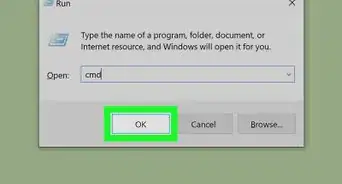
2Type command prompt into the search bar. The search bar is at the bottom of the Start menu.
-
3Right-click "Command Prompt". It is listed under the "Best match" header. A menu will pop up.
-
4Click Run as administrator. A Command Prompt window will open. If you're prompted to allow the app to make changes, click Yes.
- If you do not have administrator privileges, then you cannot repair Windows. You will have contact the system administrator to repair the computer.
-
5Type DISM.exe /Online /Cleanup-image /Restorehealth. This command will make sure that the Windows Component Store is not corrupted. The Component Store contains all of the critical system files that Windows uses to repair itself, so it's important to make sure that it is not corrupted.[1]
- If this command does not work, then that means that Windows Update is corrupted. If this is the case, then you will have to reinstall Windows.
- Leave Command Prompt open for the next part.


Part 2
Part 2 of 2:Running the SFC Scan
-
1Type sfc /scannow. This will begin a scan that will check all files on the system. The scan will take some time.[2]
-
2Review the results when the scan is complete. You should see one of the following messages.
- "Windows Resource Protection did not find any integrity violations." This means that there are not corrupted system files. If you are still having issues, then the problem lays somewhere else.
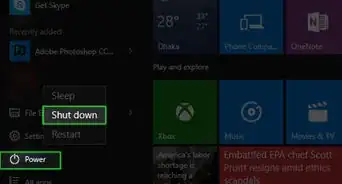
- "Windows Resource Protection could not perform the requested operation." If you see this message, then restart your computer in safe mode and try again.
- "Windows Resource Protection found corrupt files and successfully repaired them." This means that the corrupt files have been successfully fixed.
- "Windows Resource Protection found corrupt files but was unable to fix some of them." If you see this message, you need to reinstall Windows.[3]





References
- ↑ https://docs.microsoft.com/en-us/troubleshoot/windows-server/deployment/fix-windows-update-errors
- ↑ https://support.microsoft.com/en-us/help/929833/use-the-system-file-checker-tool-to-repair-missing-or-corrupted-system
- ↑ https://support.microsoft.com/en-us/help/929833/use-the-system-file-checker-tool-to-repair-missing-or-corrupted-system