This article was medically reviewed by Luba Lee, FNP-BC, MS. Luba Lee, FNP-BC is a board certified Family Nurse Practitioner (FNP) and educator in Tennessee with over a decade of clinical experience. Luba has certifications in Pediatric Advanced Life Support (PALS), Emergency Medicine, Advanced Cardiac Life Support (ACLS), Team Building, and Critical Care Nursing. She received her Master of Science in Nursing (MSN) from the University of Tennessee in 2006.
There are 9 references cited in this article, which can be found at the bottom of the page.
This article has been viewed 4,735 times.
Although most cases of traveler’s diarrhea (TD) improve within 1 to 2 days without treatment, it can make your trip very uncomfortable.[1] TD is most commonly caused by viruses, parasites, and bacteria (such as E. coli), which can be found in tap water and undercooked food. While you are travelling, wash your hands frequently, choose food and drinks carefully, and try to avoid consuming tap water. If you don’t have access to bottled water, disinfect the water by boiling it, filtering it, or treating it with chemicals. While avoiding contaminated food and water is the best form of prevention, you can also talk to your doctor about taking medications or getting vaccines to prevent common food-borne illnesses.[2]
Steps
Method 1
Method 1 of 3:Water and Other Beverages
-
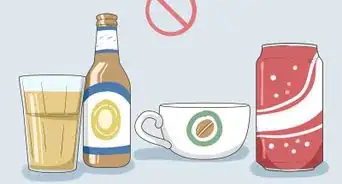
1Avoid drinking the tap water in developing countries. The tap water in developing countries in Central and South America, the Middle East, Africa, and Asia may be contaminated with bacteria, parasites, and viruses. These can all cause traveler’s diarrhea (TD). When visiting these areas, only drink sealed, bottled beverages like bottled water, tea, soda, beer, wine, juice, and coffee.[3]
- If the seal has been broken, choose or ask for another bottle.
- Use bottled water to mix baby formula or buy pre-mixed, sealed formula.
- Avoid drinking fresh fruit juice made with tap water as well.
-
2Order juice, water, and alcoholic beverages without ice. Ice may be made with contaminated tap water. Once the ice cubes melt, it will be like drinking tap water, which may be contaminated.[4]
- Keep in mind that the alcohol in most beverages is not strong enough to kill bacteria, viruses, and parasites.
Advertisement -
3Order steaming hot coffee and tea. Because boiled water is used to make hot coffee and tea, it may be safe to order these from a restaurant or café. However, make sure your coffee or tea is steaming hot when you receive it. If it is not, then you may want to think twice before drinking it.[5]
-
4Brush your teeth with bottled water. You can still get TD without drinking water. If contaminated water comes into contact with your mouth while brushing your teeth, you may get TD.[6] Tie a ribbon around the faucet to remind yourself to not use the water to brush your teeth.
- Additionally, while you are showering, make sure to keep your mouth closed.
Advertisement


Method 2
Method 2 of 3:Food Safety
-
1Avoid eating food from street vendors. Food made by street vendors may be washed and prepared with contaminated tap water. Your risk of consuming raw or undercooked fish, shellfish, and meat is higher when eating street food as well.[7]
-
2Consume fruits and vegetables that you can peel yourself. Fruits and vegetables that do not need to be peeled to eat may be cleaned and prepared with contaminated water. Examples of fruits and vegetables that you can peel yourself are bananas, oranges, avocados, kiwis, and grapefruit.[8]
- Avoid eating salads, berries, grapes, tomatoes, and other fruits and veggies that do not need to be peeled to eat. Alternatively, rinse them with boiled or bottled water before eating them.
-
3Eat prepared meals that are hot and cooked well. When you receive your food, make sure it is steaming. Your food should be hot to the touch and steam should be visible. Additionally, make sure meat, fish, and shellfish are cooked thoroughly. Fish and shellfish should look opaque, and meat should be firm to the touch with no pink in the middle.[9]
- Avoid foods that have been sitting out at room temperature, like buffet food and sauces.
- Undercooked or raw meat and seafood may contain harmful organisms that can cause TD and other illnesses. Stick to canned seafood, like tuna, or cook the meat yourself to ensure it isn’t undercooked.
-
4Stick to dry and packaged foods when you can. Dry foods like chips, crackers, and bread are typically safe to eat since bacteria needs moisture to grow. Additionally, packaged and factory-sealed foods, like canned goods, are safe to eat as long as the packaging has not been opened or tampered with.[10]
-
5Avoid consuming milk and dairy products. If you cannot confirm if milk or a dairy product, like cheese, is pasteurized, avoid eating it. Unpasteurized milk and dairy products may contain harmful organisms that can cause TD and other illnesses.[11]
- This includes products like ice cream, cheese, smoothies, milkshakes, and other products that contain dairy.
- You can mix dry, powdered milk with bottled water, if you wish.
Advertisement


Method 3
Method 3 of 3:Water Disinfection
-
1Boil tap water for 1 minute. Pour the tap water into a pot. Place the pot on the burner and set the heat to high. Once the water starts to boil, after about 8 to 10 minutes, let it boil for another minute. Take the pot off the burner. Let the water cool to room temperature before drinking it.[12]
-
2Use a portable gravity-drip or hand-pump microfilter. Microfilters can remove bacteria like E. coli and parasitic cysts from water. However, they may not be able to remove smaller organisms like viruses. If you need a filter that can remove viruses, use a nanofiltration or ultrafiltration system.[13]
- To be as safe as possible, boil the water first, then filter it.
- You can purchase water filters online or from a travel store.
-
3Disinfect tap water with iodine or chlorine. Both chlorine and iodine are effective in killing viruses and bacteria and come in either tablet or liquid form for disinfecting water. Disinfect the water per the instructions on the package.[14]
- Do not use iodine for more than 3 weeks, since it can affect your thyroid function.
- Pregnant women, people with an unstable thyroid disease, or people who are allergic to iodine should not use iodine.
Advertisement


- Bring tablets for treating water with you on your trip, as they may not be available in some countries.
Warnings
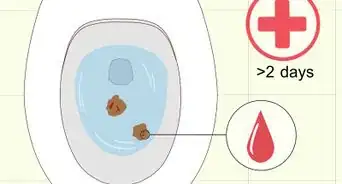
- If you are vomiting in addition to having diarrhea, see a doctor to prevent dehydration.Thanks!
- Don’t give anti-diarrheal medications, such as loperamide (Imodium), to children under the age of 2. Avoid giving Pepto-Bismol to children under age 3.[20]Thanks!
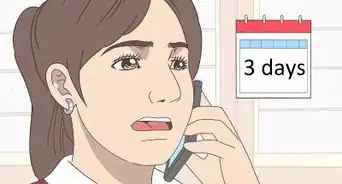
- If you have TD for more than 3 or 4 days, see a doctor.Thanks!
- Avoid swimming in contaminated lakes, streams, ponds, and watering holes.Thanks!


-Step-12.webp)




References
- ↑ https://www.mayoclinic.org/diseases-conditions/travelers-diarrhea/symptoms-causes/syc-20352182
- ↑ https://wwwnc.cdc.gov/travel/yellowbook/2020/preparing-international-travelers/travelers-diarrhea
- ↑ https://www.mayoclinic.org/diseases-conditions/travelers-diarrhea/symptoms-causes/syc-20352182
- ↑ https://www.uofmhealth.org/health-library/aa140669spec
- ↑ https://www.mayoclinic.org/diseases-conditions/travelers-diarrhea/symptoms-causes/syc-20352182
- ↑ https://wwwnc.cdc.gov/travel/yellowbook/2018/the-pre-travel-consultation/food-water-precautions
- ↑ https://www.mayoclinic.org/diseases-conditions/travelers-diarrhea/symptoms-causes/syc-20352182
- ↑ https://www.uofmhealth.org/health-library/aa140669spec
- ↑ https://www.mayoclinic.org/diseases-conditions/travelers-diarrhea/symptoms-causes/syc-20352182
- ↑ https://wwwnc.cdc.gov/travel/page/food-water-safety
- ↑ https://wwwnc.cdc.gov/travel/yellowbook/2018/the-pre-travel-consultation/food-water-precautions
- ↑ https://wwwnc.cdc.gov/travel/yellowbook/2020/preparing-international-travelers/water-disinfection
- ↑ https://wwwnc.cdc.gov/travel/yellowbook/2020/preparing-international-travelers/water-disinfection
- ↑ https://wwwnc.cdc.gov/travel/yellowbook/2020/preparing-international-travelers/water-disinfection
- ↑ https://wwwnc.cdc.gov/travel/yellowbook/2020/preparing-international-travelers/travelers-diarrhea
- ↑ https://www.ncbi.nlm.nih.gov/pmc/articles/PMC1539099/
- ↑ https://www.ncbi.nlm.nih.gov/pmc/articles/PMC1539099/
- ↑ https://www.aafp.org/afp/2005/0601/p2095.html
- ↑ https://www.aafp.org/afp/1999/0701/p119.html
- ↑ https://www.ncbi.nlm.nih.gov/pmc/articles/PMC1539099/














































Medical Disclaimer
The content of this article is not intended to be a substitute for professional medical advice, examination, diagnosis, or treatment. You should always contact your doctor or other qualified healthcare professional before starting, changing, or stopping any kind of health treatment.
Read More...