This article was co-authored by Erik Kramer, DO, MPH. Dr. Erik Kramer is a Primary Care Physician at the University of Colorado, specializing in internal medicine, diabetes, and weight management. He received his Doctorate in Osteopathic Medicine (D.O.) from the Touro University Nevada College of Osteopathic Medicine in 2012. Dr. Kramer is a Diplomate of the American Board of Obesity Medicine and is board certified.
There are 8 references cited in this article, which can be found at the bottom of the page.
This article has been viewed 80,499 times.
Diarrhea is a super common and usually harmless condition. But if you’re pregnant, some prescription and over-the-counter diarrhea medications may not be safe for you and your baby. Don’t worry. There are actually plenty of ways you can naturally treat your diarrhea. To help you do it, we’ve put together a handy list of things you can do to help relieve your symptoms.
Steps
Method 1
Method 1 of 10:Drink plenty of water to stay hydrated.
-
1Hydration is the main concern of diarrhea. Diarrhea can cause you to lose a lot of fluid, which is never a good thing if you’re pregnant. Keep a water bottle or a glass of water nearby at all times.[1] Drink at least 8-10 glasses of water every day to replenish the fluids you’re losing.[2]
- Drink at least 1 cup (240 mL) of water every time you have a bowel movement.
- If you have severe diarrhea, your doctor might recommend an electrolyte replacement drink. To make your own, combine 16 fluid ounces (470 mL) of cold water with 3 tablespoons (44 mL) of maple syrup and 1 tsp (5 g) of coarse sea salt. Add a little lemon juice to give it some zest and improve the taste.[3]
Advertisement

Method 2
Method 2 of 10:Eat bananas, rice, applesauce, and toast (BRAT).
-
1Take it easy on your digestive system while you recover. The BRAT diet is a classic diet that’s been recommended for years for people who are dealing with diarrhea. It’s gentle on your stomach and helps make your stool more solid. Stick to a simple diet that gives you nutrition without making your symptoms any worse.[4]

Method 3
Method 3 of 10:Have smaller meals throughout the day.
-
1Eating 3 large meals can take a toll on your digestive system. In addition to choosing foods that are gentle, it’s also helpful to break up your meals and snack whenever you’re hungry. Avoid having larger meals, which can make your symptoms worse.[5]
- If you don’t have any appetite at all, try having at least a bite or two every 2-3 hours so you’re getting some nutrition.
Advertisement

Method 4
Method 4 of 10:Add vitamin and mineral-rich foods if you can tolerate them.
-
1Starchy foods, veggies, lean meats, eggs, and yogurt can help. The BRAT diet is gentle, but it won’t give you some important vitamins and minerals, especially zinc. If your stomach and digestive system feel okay, try adding some potatoes, unsweetened cereal, and crackers to your diet. You can also have some cooked vegetables and meat to give you more nutrition while you recover.[6]
- Yogurt with live, active cultures of lactobacillus acidophilus can be especially beneficial to your digestive system while you’re dealing with diarrhea.
- Some high-protein foods can help firm up your stool. If you can tolerate them, try having some low-fat cheese, lean fish, beef, pork, or skinless poultry.[7]

Method 5
Method 5 of 10:Replace lost electrolytes with juice or sports drinks.
-
1Drinking juice is a simple way to boost your potassium levels. Diarrhea can strip you of important electrolytes like potassium. Having a nice glass or two of juice, such as apple or orange juice, is a simple way to replenish them. It’s tasty and will also help keep you hydrated.[8] You can also sip on a sports drink that contains electrolytes to help replenish your levels.[9]
- Watch out for juice with added sugars, which can upset your digestive system and potentially make your symptoms worse. Go for juices that say “100% juice” on the label.
- You can also ask your doctor about rehydration drinks such as Pedialyte to see if they’re safe for you to drink.
Advertisement

Method 6
Method 6 of 10:Replenish your sodium by drinking broth.
-
1It can also help if you’re feeling queasy. Chicken broth, veggie broth, and bone broth are tasty and full of vitamins and minerals. Drinking a glass or having a bowl of light soup can help replace the sodium you’re losing when you have diarrhea. It’s also an easy thing to consume if you aren’t feeling super hungry.[10]
- It’s common for folks to have a bowl of chicken noodle soup when they aren’t feeling well—and for good reason! It’s got lean protein and broth. Plus, the fluid can help keep you hydrated.

Method 7
Method 7 of 10:Steer clear of dairy, sugar, and caffeine.
-
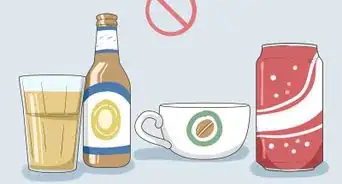
1They can make your diarrhea worse. Lactose is no good if you’re dealing with digestive issues, especially if you’re lactose intolerant. Caffeine and sugar can irritate your digestive system and make your diarrhea even worse. While you’re recovering, try your best to avoid them.[11]Advertisement

Method 8
Method 8 of 10:Try not to suddenly change your diet.
-
1It could cause diarrhea or make your symptoms worse. If you’re taking prenatal vitamins as recommended by your doctor, stick to a consistent schedule and try not to suddenly stop taking them or doubling up if you miss a day. Additionally, try your best to stick to a consistent, healthy diet. Making sudden changes can throw your digestive system out of wack and could cause you to have diarrhea.[12]
- If you find that certain foods upset your digestive system and cause diarrhea, try to avoid them.

Method 9
Method 9 of 10:Stop taking stool softeners if you’re using them.
-
1Wait until your stool returns to normal consistency. Constipation is pretty common during pregnancy, and your doctor may recommend that you start taking stool softeners to help relieve your symptoms. But if you have diarrhea, the stool softener can actually make your symptoms worse. Stop taking them until your diarrhea goes away.[13]Advertisement

Method 10
Method 10 of 10:See your doctor if your diarrhea lasts longer than 2 days.
-
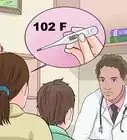
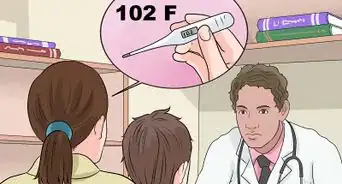
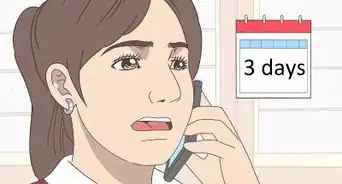
1It could be a sign of a more severe condition. Most cases of diarrhea clear up on their own after a day or so. But if yours lasts longer than 2 days, you notice any blood or pus, or you have a fever, it could be a sign of a more serious illness, such as food poisoning. Get to a doctor right away for treatment so there isn’t any potential risk to your baby.[14]
- Listeriosis is an infection caused by eating contaminated food that you can potentially pass to your baby, so it’s important that you seek medical treatment if your diarrhea doesn’t go away.
- If you’re having diarrhea after recent treatment with an antibiotic, you may have an infection in your bowel called Clostridium difficile. This infection can be serious and requires medical treatment, so see your doctor right away for testing. They’ll need to take a stool sample to diagnose it.

Warnings
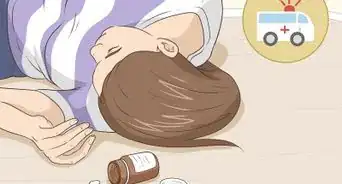
- Never take any medications while you’re pregnant without checking with your doctor first to make sure it’s okay.Thanks!
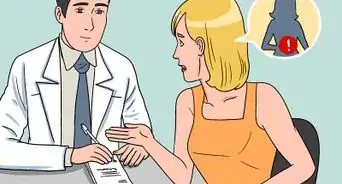
- If you feel sharp pains in your abdomen, or if you have vaginal bleeding, see a doctor right away.[15]Thanks!


-Step-12.webp)



References
- ↑ https://americanpregnancy.org/healthy-pregnancy/is-it-safe/diarrhea-in-pregnancy-5563/
- ↑ https://medlineplus.gov/ency/patientinstructions/000121.htm
- ↑ https://www.acleanplate.com/maple-lemon-electrolyte-water/
- ↑ https://badgut.org/information-centre/health-nutrition/diarrhea-and-diet/
- ↑ https://medlineplus.gov/ency/patientinstructions/000121.htm
- ↑ https://www.whattoexpect.com/pregnancy/symptoms-and-solutions/pregnancy-diarrhea.aspx
- ↑ https://badgut.org/information-centre/health-nutrition/diarrhea-and-diet/
- ↑ https://americanpregnancy.org/healthy-pregnancy/is-it-safe/diarrhea-in-pregnancy-5563/
- ↑ https://www.whattoexpect.com/pregnancy/symptoms-and-solutions/pregnancy-diarrhea.aspx
- ↑ https://americanpregnancy.org/healthy-pregnancy/is-it-safe/diarrhea-in-pregnancy-5563/
- ↑ https://badgut.org/information-centre/health-nutrition/diarrhea-and-diet/
- ↑ https://www.todaysparent.com/pregnancy/pregnancy-health/dealing-with-diarrhea-during-pregnancy/
- ↑ https://www.whattoexpect.com/pregnancy/symptoms-and-solutions/pregnancy-diarrhea.aspx
- ↑ https://www.mayoclinic.org/symptoms/diarrhea/basics/when-to-see-doctor/sym-20050926
- ↑ https://myhealth.alberta.ca/Health/aftercareinformation/pages/conditions.aspx?hwid=abo6400
About This Article

Medical Disclaimer
The content of this article is not intended to be a substitute for professional medical advice, examination, diagnosis, or treatment. You should always contact your doctor or other qualified healthcare professional before starting, changing, or stopping any kind of health treatment.