This article was co-authored by wikiHow staff writer, Danielle Blinka, MA, MPA. Danielle Blinka is a Writer, Editor, Podcaster, Improv Performer, and Artist currently living in Houston, TX. She also has experience teaching English and writing to others. Danielle holds a Bachelor of Arts in English, Bachelor of Arts in Political Science, Master of Arts in English with a concentration in writing, and Master of Public Administration from Lamar University.
There are 12 references cited in this article, which can be found at the bottom of the page.
Learn more...
Pimples are almost as common as the myths spread about them. Most people will have acne at some point in their lives, so you’re not alone. However, that doesn’t make pimples any less annoying! Fortunately, busting pimple myths may help you improve your skincare routine and get clearer skin. We’ve compiled the facts behind all the most common pimple myths.
Steps
Method 1
Method 1 of 11:Myth: Only teenagers get pimples.
-
1Fact: People of all ages get pimples. There’s no age limit on pimples, and anyone can get them. Acne is most common in your teenage years, as 85% of teens get acne.[1] However, around 20 to 40% of adults have acne, too.[2] Because it’s so prevalent, acne is the most common skin condition.[3]
- Experts say around 80% of people will experience acne at some point in their life.[4]
- Even babies can get acne!
Advertisement

Method 2
Method 2 of 11:Myth: Pimples only occur on your face.
-
1Fact: Pimples can occur anywhere on your body. You have oil glands all over your body, and any of these glands can get blocked, resulting in pimples. Acne can appear anywhere, but it’s especially common on your chest, shoulders, and back. Fortunately, you can treat body acne just like you would face acne.[5]
- Pimples are more noticeable on your face because it’s not usually covered. However, pimples on other body parts are usually hidden under clothes—so it's not something you would commonly see on others.

Method 3
Method 3 of 11:Myth: Only people with oily skin are prone to acne.
-
1Fact: Any skin type can get acne. It’s a myth that only people with oily skin are prone to acne.[6] In fact, all skin types can develop acne.[7] In some cases, adult acne can actually be common on dry skin.[8]
- Your skin type can affect what treatments work best for you. For example, some topical creams may be too drying for dry skin. If you’re having trouble finding a good acne treatment, visit a dermatologist for help.[9]
Advertisement

Method 4
Method 4 of 11:Myth: Makeup causes pimples.
-
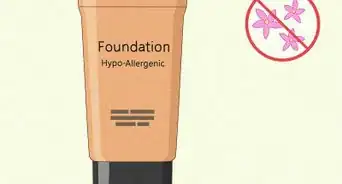
1Fact: This isn't always true—oil-free makeup doesn't clog your pores.[10] Choose makeup that’s labeled as noncomedogenic, which means it won’t clog your pores. If you have an active breakout, you might use a concealer that contains benzoyl peroxide or salicylic acid to treat acne.[11] Additionally, always remove your makeup before you go to bed, as sleeping in makeup can harm your skin.[12]
- Wearing makeup is a great way to hide your acne while it heals.
- Makeup brushes harbor bacteria that can cause or worsen acne. Wash your makeup brushes using lukewarm water and a mild shampoo every 7 to 10 days.[13]

Method 5
Method 5 of 11:Myth: Dirty skin causes acne.
-
1Fact: In most cases, hormones are actually responsible for acne. Acne is common in teens because of hormonal changes as your body goes through puberty. A hormone called androgen increases in your body, which can trigger pimples.[14] As an adult, hormone changes typically happen during pregnancy, around your menstrual cycle, or due to stress.[15]
- It’s possible for people to have clear skin all through their teens despite going through puberty, only to experience acne later in life.
Advertisement

Method 6
Method 6 of 11:Myth: Washing your face more often will get rid of pimples.
-
1Fact: Washing your face more often won’t cure pimples. Cleansing your skin gets rid of acne-causing bacteria, so it’s definitely important to wash your face. However, you only need to do it twice a day. Washing your face more than twice a day may irritate your skin and could even make your acne appear worse.[16]
- For example, you might wash your face in the morning and right before bed.

Method 7
Method 7 of 11:Myth: Chocolate and greasy food cause acne.
-
1Fact: Eating chocolate or greasy food won’t cause pimples. You’ve probably heard that what you eat can trigger acne, but experts say this just isn’t true. There’s no proof that foods like chocolate or greasy meals, such as pizza, can cause acne.[17]
- If you experience breakouts every time you eat a certain food, consider cutting that food out of your diet. It's possible for food allergies to trigger breakouts.[18]
Advertisement

Method 8
Method 8 of 11:Myth: Popping pimples will get rid of them faster.
-
1Fact: Popping pimples is never a good idea. Squeezing your pimples can make your pimple look bigger because it causes inflammation. Additionally, it can transfer bacteria, which may cause an infection. Not only that, but popping pimples increases your risk of scarring. Keep your hands away from your face and give your pimples time to heal.[19]
- In general, it’s best to touch your face as little as possible, since your hands carry bacteria.

Method 9
Method 9 of 11:Myth: Drinking 8 cups (1.9 L) of water daily cures acne.
-
1Fact: Staying hydrated isn't a fool-proof cure, but it may prevent breakouts! Drinking lots of water helps your skin shed and get rid of debris. This can help keep your pores clear, which might reduce acne breakouts.[20] In general, drinking water throughout the day is a healthy choice, so drink up!
- In general, you need 11.5 to 15.5 cups (2.7 to 3.7 L) of water to stay hydrated. You may need to drink more water if you sweat often or are very active.[21]
Advertisement

Method 10
Method 10 of 11:Myth: Scrubbing your skin gets rid of pimples.
-
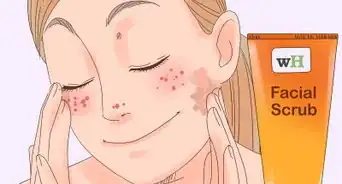
1Fact: Scrubbing your face can actually make acne worse. Acne is caused by oils trapped deep beneath your skin, and you can’t reach it by scrubbing. Additionally, scrubbing can irritate and inflame your skin, which may make your acne worse. Treat your skin gently to get the best results.[22]
- Always follow the directions on your skincare products to make sure you’re using them right.

Method 11
Method 11 of 11:Myth: Tanning clears up pimples.
-
1Fact: Tanning won't heal pimples, and it harms your skin. At first, the darkening of your skin may make acne less noticeable. However, tanning dries out your skin, which can trigger more breakouts. Additionally, tanning causes premature aging, as well as skin cancer. Stay away from tanning beds if you want healthy skin, and protect your skin with sunscreen when you’re spending time in the sun.[23]
- Wear a hat and sunglasses every time you go outside. If you’re going to be in the sun for a while, wear sunscreen that’s at least an SPF 15 for extra protection.[24]
Advertisement




References
- ↑ https://aadermatology.com/the-top-12-acne-myths/
- ↑ https://www.aad.org/public/diseases/acne/causes/acne-causes
- ↑ https://my.clevelandclinic.org/health/diseases/12233-acne
- ↑ https://my.clevelandclinic.org/health/diseases/12233-acne
- ↑ https://my.clevelandclinic.org/health/diseases/12233-acne
- ↑ https://aadermatology.com/the-top-12-acne-myths/
- ↑ https://www.aad.org/public/diseases/acne/causes/acne-causes
- ↑ https://newsnetwork.mayoclinic.org/discussion/mayo-clinic-q-and-a-understanding-adult-acne/
- ↑ https://newsnetwork.mayoclinic.org/discussion/mayo-clinic-q-and-a-understanding-adult-acne/
- ↑ https://www.mayoclinic.org/diseases-conditions/acne/symptoms-causes/syc-20368047
- ↑ https://www.hopkinsallchildrens.org/Patients-Families/Health-Library/HealthDocNew/Myths-About-Acne
- ↑ https://www.mayoclinic.org/diseases-conditions/acne/symptoms-causes/syc-20368047
- ↑ https://www.aad.org/public/everyday-care/skin-care-secrets/routine/clean-your-makeup-brushes
- ↑ https://www.mayoclinic.org/diseases-conditions/acne/symptoms-causes/syc-20368047
- ↑ https://newsnetwork.mayoclinic.org/discussion/mayo-clinic-q-and-a-understanding-adult-acne/
- ↑ https://www.hopkinsallchildrens.org/Patients-Families/Health-Library/HealthDocNew/Myths-About-Acne
- ↑ https://www.mayoclinic.org/diseases-conditions/acne/symptoms-causes/syc-20368047
- ↑ https://uichildrens.org/health-library/acne-pimples-zits
- ↑ https://www.wakehealth.edu/Stories/Common-Myths-About-Acne
- ↑ https://uichildrens.org/health-library/acne-pimples-zits
- ↑ https://www.mayoclinic.org/healthy-lifestyle/nutrition-and-healthy-eating/in-depth/water/art-20044256
- ↑ https://uichildrens.org/health-library/acne-pimples-zits
- ↑ https://www.hopkinsallchildrens.org/Patients-Families/Health-Library/HealthDocNew/Myths-About-Acne
- ↑ https://www.cdc.gov/cancer/skin/basic_info/sun-safety.htm
- ↑ https://newsnetwork.mayoclinic.org/discussion/mayo-clinic-q-and-a-understanding-adult-acne/
- ↑ https://www.aad.org/public/diseases/acne/DIY/wont-clear
- ↑ https://www.aad.org/public/diseases/acne/DIY/wont-clear
About This Article