X
This article was co-authored by Carrie Noriega, MD. Dr. Noriega is a Board Certified Obstetrician & Gynecologist and medical writer in Colorado. She specializes in women’s health, rheumatology, pulmonology, infectious disease, and gastroenterology. She received her MD from the Creighton School of Medicine in Omaha, Nebraska and completed her residency at the University of Missouri - Kansas City in 2005.
This article has been viewed 364,469 times.
Gas is one of the less magical parts of pregnancy, but luckily, you may be able to alleviate this uncomfortable and embarrassing side effect. We'll show you how you can get relief by making a few simple changes to your diet and lifestyle.
Steps
Method 1
Method 1 of 3:Paying Attention to Your Diet
Method 1
-
1Keep a food diary to track the foods you eat daily. Doing so will help you evaluate which foods are causing you particular digestive problems. Different foods are triggers for different people, but pay special attention to common gas-causing foods such as beans, peas, whole grains, cauliflower, cabbage, broccoli, asparagus, and onions.
- If dairy products are causing you problems, try replacing regular dairy products with lactose-free milk or other calcium-rich foods.[1] You may also try consuming dairy products with active cultures such as yogurt or kefir. These cultures aid in digestion.[2]
- Avoid consuming fried or fatty foods or artificial sweeteners. [3]
- Consider adding a fermented food such as kimchee or sauerkraut to your diet. The beneficial bacteria in these foods can aid in digestion.[4]
- Keep in mind that you won't want to eliminate all gas-causing foods from your diet. Consuming adequate fiber and a variety of nutrient-rich foods is vital during pregnancy and helps prevent constipation, which is another big problem in pregnancy. Noting which foods cause you the greatest problems, however, will help you plan your diet. You may opt, for example, to avoid problem foods when out in public or before an important meeting.[5]
-
2Drink plenty of water. Staying hydrated will help you eliminate constipation, which can cause additional gas and bloating.
- Drink from a glass without using a straw to ensure you avoid sucking in excess air.
- Minimize your consumption of carbonated drinks to avoid ingesting gas bubbles.[6]
Advertisement -
3Eat smaller meals more frequently. While you need to consume additional food overall during pregnancy, your slower digestive system may not be able to tolerate as much food at one time as it used to. Smaller, more frequent meals will help you ensure your digestive system does not become overloaded.
-
4Eat slowly and chew your food thoroughly. A majority of gas is produced when bacteria in your large intestine break down food that has not been digested thoroughly by the enzymes in your stomach. Breaking down your food by chewing will lessen the load on your intestinal bacteria and reduce your gas production.[7]
-
5Get 25 to 30 grams of fiber daily for regular bowel movements. Although foods that contain fiber may cause you to produce more gas, they will also help to ensure that you have regular bowel movements, which may help with gas. Maintaining good bowel health during pregnancy is also important to avoid constipation. Make sure to include some god sources of fiber in your diet, like fruits, vegetables, and whole grains. Aim for 25 to 30 grams of fiber every day to help prevent constipation and promote regular bowel movements.[8]Advertisement


Method 2
Method 2 of 3:Pursuing a Healthy Lifestyle
Method 2
-
1Exercise regularly. Exercise helps stimulate digestion. This means your food will move through your intestinal tract more quickly -- and produce less gas along the way. Check with your health care provider before beginning a new exercise regimen.
-
2Wear loose clothing. Tight clothing around your waist can further constrict a digestive system that is already being crowded by your growing uterus. If your pants or skirts are causing welts in your skin, consider replacing them with looser garments.[9]
-
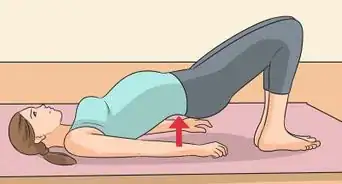
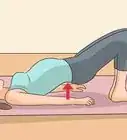
3Consider doing yoga. Three yoga positions, in particular, will help reduce gas and are feasible while pregnant. All three are done while on all fours:
- The pelvic rock or "cat" position involves arching your pelvis up like a cat, then gently dropping it down to make a hollow in the small of your back.
- The side-to-side or pelvic "rock" position involves arching sideways to the right, bringing your head and rear end close together, then gently arching yourself sideways to the left -- just like you're wagging your "tail."
- The circular rock position involves rolling your pelvis around as if you were belly dancing, but while on all fours.[10]
Advertisement


Method 3
Method 3 of 3:Considering Herbal and Pharmaceutical Aids
Method 3
-
1Try peppermint. Peppermint products have long been used as a natural remedy for gas. Look for peppermint caps that are enteric coated, which means they can pass through your stomach and into your intestines before dissolving. This will give you a dose of peppermint where it is most needed.
- You can also make tea from peppermint leaves to soothe your digestive tract.[11]
-
2Use an over-the-counter product containing simethicone. These products are safe to use during pregnancy, though it is still a good idea to check in with your doctor to ensure they're a good choice for your medical needs. Only turn to over-the-counter medications if dietary changes have failed to make a substantial difference in your symptoms.[12]
-
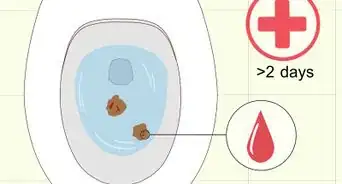
3Consult your doctor if your symptoms become more serious. Contact your doctor immediately if your gas symptoms move beyond discomfort into the realm of actual pain, or if you notice severe diarrhea or blood in your stool.Advertisement










References
- ↑ http://www.webmd.com/baby/features/7-embarrassing-pregnancy-symptoms
- ↑ http://www.naturalbirthandbabycare.com/discomforts/#gas
- ↑ http://americanpregnancy.org/pregnancy-health/gas-during-pregnancy/
- ↑ http://www.naturalbirthandbabycare.com/discomforts/#gas
- ↑ http://americanpregnancy.org/pregnancy-health/gas-during-pregnancy/
- ↑ http://americanpregnancy.org/pregnancy-health/gas-during-pregnancy/
- ↑ http://americanpregnancy.org/pregnancy-health/gas-during-pregnancy/
- ↑ http://americanpregnancy.org/pregnancy-health/constipation-during-pregnancy/
- ↑ http://americanpregnancy.org/pregnancy-health/gas-during-pregnancy/
About This Article
Advertisement












































Medical Disclaimer
The content of this article is not intended to be a substitute for professional medical advice, examination, diagnosis, or treatment. You should always contact your doctor or other qualified healthcare professional before starting, changing, or stopping any kind of health treatment.
Read More...