wikiHow is a “wiki,” similar to Wikipedia, which means that many of our articles are co-written by multiple authors. To create this article, 11 people, some anonymous, worked to edit and improve it over time.
There are 12 references cited in this article, which can be found at the bottom of the page.
This article has been viewed 1,394 times.
Learn more...
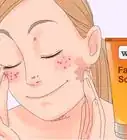
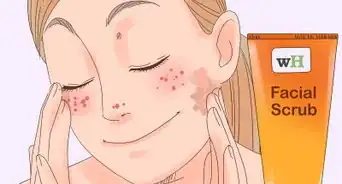
Pimples (AKA zit, spot, papule or small pustule) are red, tender bumps with white pus at their tips.[1] Ever seen those annoying things on your skin? Most of us have had or are having them at some point in our lives. But did you know that cleaning your face can help prevent them? You might have heard that scrubbing your skin and washing your face several times a day will cure pimples and that dirty skin causes pimples—which, unfortunately, is false. However, cleaning your face properly can![2] In this article, wikiHow teaches you to clean your face to keep pimples at bay.
Steps
Method 1
Method 1 of 4:Using a Cleanser
-
1Wet your face with warm water. Make sure you don't use hot water since it will make strip moisture and natural oils from your skin, making your skin dry.[3] You shouldn't use cold water either, since it wouldn't be enough to unclog your pores. Instead, your lukewarm water.
-
2Wash your hands properly with soap and water before touching your face. To prevent spreading germs onto your face, properly wash your hand to kill any germs on your hands to fingernails. You can learn how to wash your hands properly. Remember to use soap and water!Advertisement
-
3Apply a small amount of gentle skin cleanser over your skin. Squirt the cleanser onto your clean fingertips, gently rub the cleanser to your face and rub it into your skin using your fingers. Don't rub too hard—do it gently applying very little pressure just enough to wipe away any remaining dead skin cells. Rubbing your face too much can irritate your skin. So remember to be gentle!
Warning: Some cleansers can cause irritation too. It is important to first test the cleanser on your arm before using it to wash your face. If there's any sort of irritation, try another cleanser. Irritation includes severe itching or burning.
-
4Rinse it off. Remember, the water should not be too hot nor too cold. Let the water dry on your face. Do not wipe it off with your hands, a towel etc. Usually, it takes about 4-5 minutes to dry. If you choose to dry it off, make sure you use a clean towel and pat dry–do not scrub.
-
5Take some rosewater onto a cotton ball (optional). Wait for the water on your face to dry. While waiting until the water dries on your face, take some rosewater onto another cotton ball. Do not take too much of it—the cotton ball should be wet but rosewater shouldn't be dripping from it! If you've taken too much, it is better to drain the excess in a sink. If you put it back in the bottle, you might transfer any leftover germs on your hands to the bottle.
- Mainly, rosewater is just for giving your skin a nice glow and shine. It is not necessary to perform this step. (It is highly recommended, though!)
Tip: You can or make your own rosewater if you want!
-
6Rub the cotton ball onto your face gently and let it dry there (only if you have done the previous step). Don't rub too hard—do it gently applying very little pressure just enough to wipe away any remaining dead skin cells. Remember to discard the cotton ball after each use. Do not wipe it off with your hands, a towel etc. Your hand or towel may spread germs onto your face. Usually, this takes about 1-2 minutes. If you do choose to wipe, use a fresh towel that is completely dry. Gently pat dry—do not scrub.
Tip: Try to practice this method once every day.
Advertisement


Method 2
Method 2 of 4:Using Soap
-
1Understand the difference between "Hand Soap" and "Mild Soap". Some of us assume that all soaps are the same—except for the different fragrances and colours. But, there's a difference between Hand Soap and Mild Soap.
- Hand soaps can disturb the pH balance (acidity level) of your skin. They can make your body produce extra sebum (oil) to restore the natural levels, in many cases resulting in oily skin.[4] Oil sometimes clogs up the pores, leading to pimples.
- Mild soap doesn’t affect the pH of the skin, it doesn’t strip off any natural nutrients and oils. This helps keep the skin well-moisturized.[5]
-
2Use a mild soap. Now that you have understood the difference between hand soap and mild soap and understood the dangers of using hand soap on your face, try to use only mild soap on your face. You can use mild soaps such as Dove, Aveeno, or Cetaphil.
Warning: Some soaps can cause irritation too. It is important to first test the soap on your arm before using it to wash your face. If there's any sort of irritation, try another soap. Irritation includes severe itching or burning.
-
3Rub your hands against a wet soap bar until there's some foam. Don't rub the soap directly on your face. If you do use it directly, you may apply too much soap, which can irritate the skin.
-
4Rub your hands on your face gently. Very gently, rub your hands on your face. You don't need to rub it too much, just get some foam on your face.
Warning: Rubbing your face too much can irritate your skin. So be remember to be gentle!
-
5Wash your face with warm water. Remember, the water should not be too hot nor too cold. Let the water dry on your face. Do not wipe it off with your hands, a towel etc. Usually, it takes about 4-5 minutes to dry. If you choose to dry it off, make sure you use a clean towel and pat dry–do not scrub.
-
6Take some rosewater onto a cotton ball (optional). Wait for the water on your face to dry. While waiting until the water dries on your face, take some rosewater onto another cotton ball. Do not take too much of it—the cotton ball should be wet but rosewater shouldn't be dripping from it! If you've taken too much, it is better to drain the excess in a sink. If you put it back in the bottle, you might transfer any leftover germs on your hands to the bottle.
- Mainly, rosewater is just for giving your skin a nice glow and shine. It is not necessary to perform this step. (It is highly recommended, though!)
Tip: You can or make your own rosewater if you want!
-
7Rub the cotton ball onto your face gently and let it dry there (only if you have done the previous step). Don't rub too hard—do it gently applying very little pressure just enough to wipe away any remaining dead skin cells. Remember to discard the cotton ball after each use. Do not wipe it off with your hands, a towel etc. Your hand or towel may spread germs onto your face. Usually, this takes about 1-2 minutes. If you do choose to wipe, use a fresh towel that is completely dry. Gently pat dry—do not scrub.
Tip: Try to practice this method once every day.
Advertisement


Method 3
Method 3 of 4:Using an Antiseptic Liquid
-
1Gather the following materials:
- Two small cotton balls or pads (You will need only one if you choose not to use rosewater.)
- Antiseptic liquid (such as Dettol or Savlon; avoid rubbing alcohol)
- A bowl of warm water (warm running tap water will also do)
- Rosewater (If you want.)
Warning: Some chemicals and rubbing alcohol can cause irritation. It is important to first test the soap on your arm before using it to wash your face. If there's any sort of irritation, try another antiseptic liquid. Irritation includes severe itching or burning.
-
2Get things ready. Remember, very concentrated antiseptic liquids can be harmful to the skin for regular use.[6] Make sure that only 1/5 (or less) of the bottle contains antiseptic liquid. If your bottle has more than 1/5 of it, empty the rest into some other container. The remaining 3/5 should be water. Just regular tap water will do perfectly fine.
Warning: Concentrated antiseptic liquid is very likely to irritate the skin.
-
3Wash your hands properly with soap and water before touching your face. To prevent spreading germs onto your face, properly wash your hand to kill any germs on your hands to fingernails. You can learn how to wash your hands properly. Remember to use soap and water!
-
4Take some antiseptic solution you made earlier onto a cotton ball. Do not take too much of it—the cotton ball should be wet but the solution shouldn't be dripping from it! If you've taken too much, it is better to drain the excess in a sink. If you put it back in the bottle, you might transfer any leftover germs on your hands to the bottle.
-
5Rub the cotton ball onto your face gently and let it dry there. Don't rub too hard—do it gently applying very little pressure just enough to wipe away any dead skin cells. Remember to discard the cotton ball after each use.
- Do not wipe it off with your hands, a towel etc. Your hand or towel may spread germs onto your face. Usually, it takes about 2-3 minutes to dry. If you do choose to wipe, use a fresh towel that is completely dry. Gently pat dry—do not scrub.
Tip: Remember to close your eyes to avoid antiseptic liquid getting in your eyes. If it does go in, your eyes will irritate (burn and itch). If irritation occurs, wash your face with cold water for 4-5 minutes until the irritation stops. In case of severe irritation, consult a doctor immediately.
-
6Take a bowl of warm water—wash your face with it and let it dry there. Remember, the water should not be too hot nor too cold. Let the water dry on your face. Do not wipe it off with your hands, a towel etc. Usually, it takes about 4-5 minutes to dry. If you choose to dry it off, make sure you use a clean towel and pat dry–do not scrub.
-
7Take some rosewater onto another cotton ball (optional). Wait for the water on your face to dry. While waiting, take some rosewater onto another cotton ball. Do not take too much of it—the cotton ball should be wet but rosewater shouldn't be dripping from it! If you've taken too much, it is better to drain the excess in a sink. If you put it back in the bottle, you might transfer any leftover germs on your hands to the bottle.
- Mainly, rosewater is just for giving your skin a nice glow and shine. It is not necessary to perform this step. (It is highly recommended, though!)
Tip: You can or make your own rosewater if you want!
-
8Rub the cotton ball onto your face gently and let it dry there (only if you have done the previous step). Don't rub too hard—do it gently applying very little pressure just enough to wipe away any remaining dead skin cells. Remember to discard the cotton ball after each use.
- Do not wipe it off with your hands, a towel etc. Your hand or towel may spread germs onto your face. Usually, it takes about 1-2 minutes to dry. If you do choose to wipe, use a fresh towel that is completely dry. Gently pat dry—do not scrub.
Tip: Try to practice this method once every day.
Advertisement


Method 4
Method 4 of 4:Avoiding Common Mistakes
-
1Clean, but don't overclean. Washing your skin gets rid of acne-causing bacteria, so it’s definitely important to wash your face. However, you only need to wash your face twice a day. Washing your face more than twice a day may irritate your skin and could even make your acne appear worse.[7]
- For example, you might wash your face in the morning and right before bed.
-
2Make sure you aren't dehydrated. It is important to stay hydrated to prevent pimples, since some kinds of toxins will clog your pores and may cause pimples. Drinking water will ensure that that these toxins are flushed out, and your skin is clean.[8]
-
3Don't leave your skin dry, apply moisturizer afterwards. There is a common myth that you don't need to moisturize if you have acne-prone skin.[9] But in fact, you need to apply moisturizer regardless of your skin type.
- It is important to know which skin type you have and choose a moisturizer accordingly. Different skin types will need different types of moisturizers, so make sure you know yours!
- Buy moisturizer according to your skin type. For example, you need a water-based moisturizer if you have normal skin, an oil-based moisturizer if you have dry skin, a water-based moisturizer if you have oily skin, a fragrance-free moisturizer if you have sensitive skin, and an oil-based moisturizer with antioxidants if you have mature skin.[10]
-
4Never pop a pimple. Popping a pimple can spread the bacteria inside it all over your face, causing the growth of pimple-causing germs. This will also prolong the healing process and is very likely to cause an infection.[11]
- Infections are hard to treat so you'll want to prevent them as far as you can. Our body can fight the infection that occurs naturally quite easily. But this does not apply to infections created due to popped pimples. Infections caused due to popped pimples are much more severe and our immune system isn't always able to cope with it.
-
5Do not to touch or scratch your face. Hands come into contact with more dirt and bacteria throughout the day than any other part of the body, which is why you should avoid touching your face at all costs.[12]
- Constantly touching your face will spread pimple-causing germs, which can lead to pimples.
- Whatever you do, DO NOT scratch at your acne. This will greatly irritate your skin, and it may cause permanent scarring.
Advertisement


Things You'll Need
Using Cleanser
- Gentle cleanser
- Warm water
- Cotton ball (optional)
- Rosewater (optional)
Using Soap
- Bar of mild soap
- Warm water
- Cotton ball (optional)
- Rosewater (optional)
Using Antiseptic Liquid
- One-two cotton balls or pads
- Antiseptic liquid
- Bowl of warm water
- Rosewater (optional)
Warnings
- If irritation occurs, wash your face with cold water for 4-5 minutes until the irritation stops. In case of severe irritation, consult a doctor immediatelyThanks!
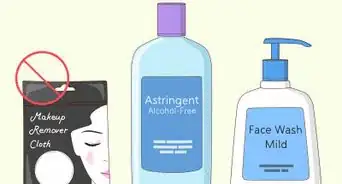
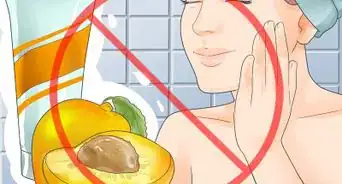
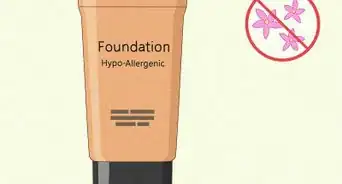

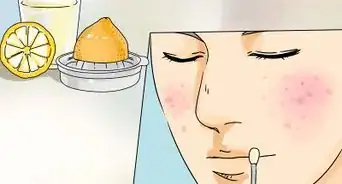





References
- ↑ https://www.aad.org/public/diseases/acne/diy/types-breakouts
- ↑ https://www.healthline.com/health/how-to-prevent-pimples#wash-your-face
- ↑ https://www.healthline.com/health/cold-shower-vs-hot-shower
- ↑ https://www.healthline.com/health/beauty-skin-care/is-soap-bad-for-skin
- ↑ https://www.healthline.com/health/mild-soap#what-is-it
- ↑ https://www.medicalnewstoday.com/articles/antiseptic
- ↑ https://www.verywellhealth.com/how-often-should-i-wash-my-face-15734
- ↑ https://www.pureluxemedical.com/blog/7-ways-drinking-water-helps-improve-skin
- ↑ https://www.aad.org/public/diseases/acne/skin-care/moisturizer