Straw Bale Gardening

straw bale gardening

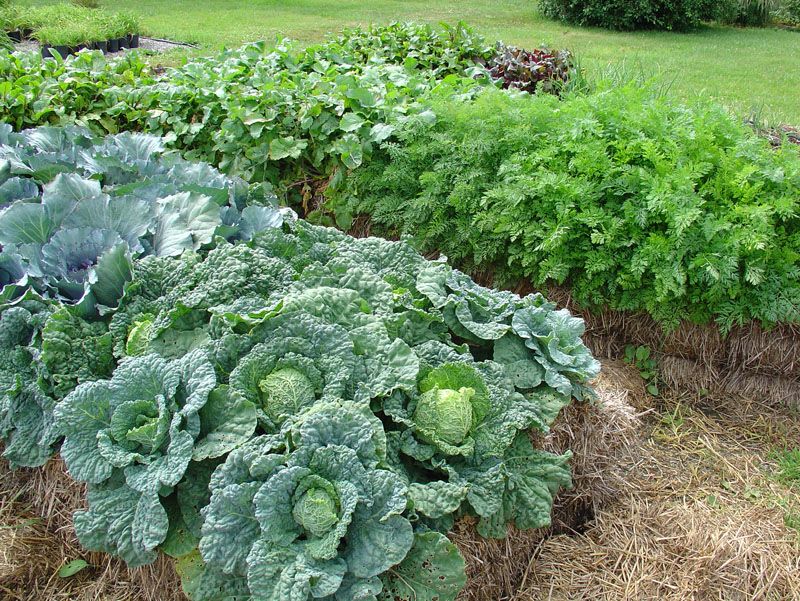
“Straw Bale Gardening is simply a different type of container gardening. The main difference is that the container is the straw bale itself and is held together with two or three strings.”

“Once the straw inside the bale begins to decay the straw becomes ‘conditioned’ compost that creates an extraordinary plant rooting environment. Getting the straw bales conditioned is an essential part of the process, and should be started two weeks prior to your target planting date wherever you are located.”

“This gardening technique works well anywhere in the country or the world for that matter.” Read more: here and here.
Solar Powered Garden Helper Machine

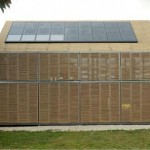
Solar powered garden machine“I really love gardening but I have a bad back and when it comes to staying bent over in the garden it gets rough. So I built this Helper Machine. I call it My P-Machine. Planting/Picking/Pulling weeds/Putting around the garden machine.”

More.

Hat tip to Rob De Schutter.

Lifting Tool for Carrying Plant Containers

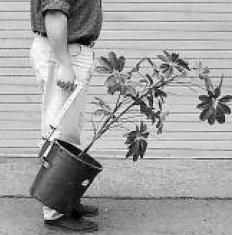
lifting tool for plant containersThe tool shown here was designed for use in outdoor nurseries specializing in ornamental and bedding plants. At nurseries in California where it was tested, it reduced workers’ forward bending angle by as much as 47%.

The time spent working at a forward-bent angle of more than 20 degrees was reduced by nearly half. Hand gripping effort was reduced by more than half. Lifting strain was reduced by 40%.

Workers reported less work-related pain when using the handles, and those who had the most severe symptoms at the start reported the most improvement.

[Read more…]

Sub-irrigated Planters

sub irrigated planters

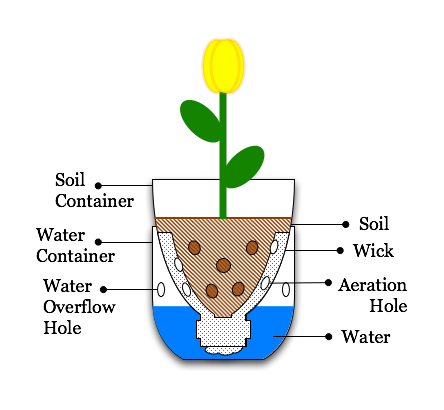
Sub-irrigated planters are simple devices that allow low-maintenance, low-water consumption container gardening. Appropedia has DIY-instructions, using plastic buckets or bottles.

Previously: Water batteries for trees, How to make your own low-tech vertical farm.

The Farming Systems Trial (1981-2011)

Comparison of organic and industrial agriculture Metafilter reports that The Rodale Institute has just published the results of a 30-year study that claims that – in terms of yields, economic viability, energy usage, and human health – organic farming is better than conventional farming.

With results like these, why does conventional wisdom favour chemical farming? “Vested interests. Organic farming keeps more money on the farm and in rural communities and out of the pockets of chemical companies. As the major funders of research centres and universities, and major advertisers in the farm media, they effectively buy a pro-chemical bias.”

The Agricultural Building and Equipment Plan List: over 300 Free Plans

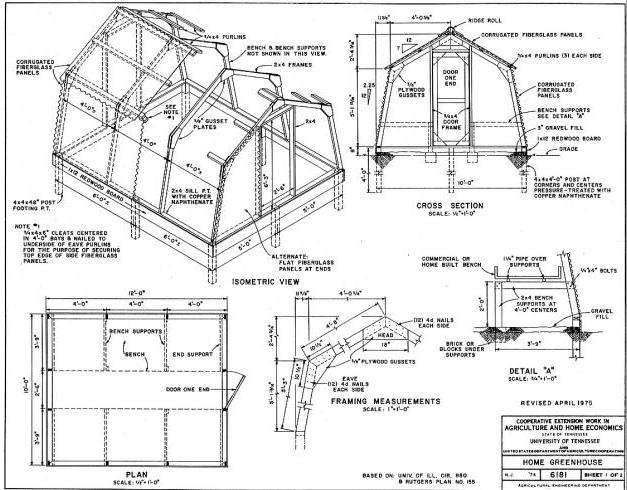
The Agricultural Building and Equipment Plan List

“The University of Tennessee Extension maintains a collection of over 300 building and equipment plans, and all are now available in electronic format for download. The plans are primarily intended for use in Tennessee, but many are appropriate for other locations as well.

The plans came from many sources. Some were developed in The University of Tennessee Extension Biosystems Engineering and Soil Science Department, but most were developed in a cooperative effort with the United States Department of Agriculture and the Cooperative Farm Building Plan Exchange. The Plan Exchange no longer exists, but the plans remain on file and are available.”

Via The Survivalist Blog.