This article was co-authored by wikiHow staff writer, Jessica Gibson. Jessica Gibson is a Writer and Editor who's been with wikiHow since 2014. After completing a year of art studies at the Emily Carr University in Vancouver, she graduated from Columbia College with a BA in History. Jessica also completed an MA in History from The University of Oregon in 2013.
There are 11 references cited in this article, which can be found at the bottom of the page.
The wikiHow Video Team also followed the article's instructions and verified that they work.
This article has been viewed 1,364 times.
Learn more...
There's something about pleasantly plump cheeks that make a person look healthy and happy. While there's no single food that helps you get chubby cheeks, eating specific foods can give you healthy skin that's plump and smooth. If your cheeks are slim or you're underweight, gaining weight will also help fill out your cheeks so they're soft and round.
Steps
Method 1
Method 1 of 13:Aloe vera
-
1Eat aloe vera to improve facial elasticity. Although you're not guaranteed to get chubby cheeks, aloe vera has been shown to reduce the appearance of wrinkles and increase collagen production.[1] Try adding around 1 teaspoon (4.9 ml) of edible aloe vera gel to your daily diet.
- Stick with it! Research showed that it took 90 days to notice an improvement to the skin.
- You can drink aloe vera juice, but its effects might not be as noticeable since it's diluted with water.
Advertisement

Method 2
Method 2 of 13:Meat
-
1Give your body fuel to make collagen so your skin looks plump and firm. Protein has amino acids which help form collagen, the fat that makes up your skin. Try to eat lean meat like pork tenderloin, skinless chicken or turkey, and lean cuts of beef every day. You can also get protein from beans, and nuts.[2]
- Don't eat meat? Tofu is a great protein source for a vegetarian or vegan diet.
Method 3
Method 3 of 13:Eggs
-
1Eggs are rich in retinol and vitamin D which keep your skin healthy. They're also a great source of protein, which is also great for your skin. Try hard-boiling, scrambling, or poaching eggs to enjoy them every day.[3]
- A lot of the nutrients are in the egg yolk, so don't limit yourself to eating just egg whites!
Advertisement
Method 4
Method 4 of 13:Whole grains
-
1Reach for low-glycemic index (GI) foods like oats and whole wheat. White, starchy foods like white bread, pasta, and rice can cause inflammation. This can damage your skin and lead to wrinkling or sagging. To keep your skin healthy and plump, eat low GI foods like:[4]
- Whole-wheat pasta
- Whole-grain bread
- Quinoa and millet
- Brown rice

Method 5
Method 5 of 13:Milk
-
1Drink whole milk to gain weight and fill out your cheeks. Whole milk has more calories than low-fat milk, but both contain vitamin D and retinol. Vitamin D improves your skin's immune system which can protect your skin from signs of premature aging like wrinkles and sagging. Retinol helps your body produce more collagen, which is the fat that makes your skin look plump.[5]
- If you find it difficult to drink milk, add it cereal, smoothies, and porridge. Don't forget that yogurt has these skin benefits, too!
Advertisement

Method 6
Method 6 of 13:Protein shakes and smoothies
-
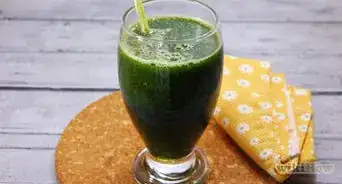
1Drink smoothies or meal replacements to gain weight. If your cheeks are thin because you're underweight, sneak in extra calories. Blend a smoothie with full-fat yogurt, fruit, and nuts, or treat yourself to a milkshake. You might even want to drink a liquid meal replacement as a snack between your daily meals in order to put on some weight and plump up your cheeks.[6]
- Go for full-fat dairy in your drinks so you get even more calories.
- For even more healthy calories, add nut butter or protein powder to your drink.

Method 7
Method 7 of 13:Fish
-
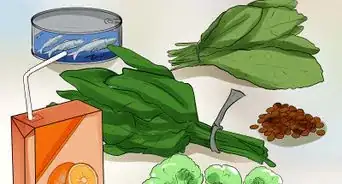
1Fish is high in omega-3 fatty acids which preserve your skin's collagen. Part of getting plump cheeks is keeping your skin firm. This is where collagen comes in! The majority of your skin is actually collagen, a protein. To keep your cheeks looking full, ensure that you're eating foods that protect and preserve collagen. Try any of these fish for a great serving of omega-3s:[7]
- Salmon
- Tuna (bluefin and albacore)
- Lake trout
- Sardines and anchovies
- Mackerel
- Herring
Advertisement

Method 8
Method 8 of 13:Nuts and nut butters
-
1Add nutritious fats to help you gain weight. If you're underweight, your cheeks may look thin. Fortunately, gaining weight from a healthy diet can help to fill them out. Reach for nut butter like almond butter or peanut butter when you're having a snack, or drizzle olive oil over steamed vegetables the next time you're making dinner.[8]
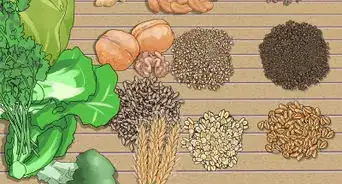
- Walnuts, chia seeds, pumpkin seeds, and sunflower seeds are also great sources of essential fatty acids that can soothe your skin and prevent inflammation.[9]
Method 9
Method 9 of 13:Avocados
-
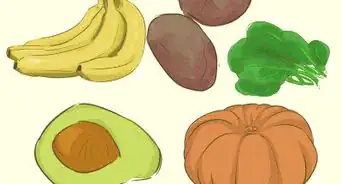
1Eat avocados to improve skin elasticity. Yes, avocados are high in calories, but they're full of nutritious fats that can keep your skin healthy. Try slicing up a ripe avocado and eating it on a salad or with crackers. You can also mash it to make guacamole or use it as a mayonnaise substitute on sandwiches.[10]
- A recent study showed that eating avocados along with other green and yellow vegetables was associated with fewer wrinkles.
Advertisement

Method 10
Method 10 of 13:Healthy oils
-
1Use vegetable oils to protect your skin from damage and aging. Cook with sunflower oil and safflower oil, or drizzle wheat germ oil over your food just before serving. These are all great sources of vitamin E, an antioxidant that can prevent signs of aging like wrinkles. Healthy fats are also a good way to gain weight if your cheeks are thin because you're underweight.[11]
- Not all fats are great for your skin. Avoid eating saturated or trans fats that you often find in fried food, fast food, and processed snack foods since these can actually cause inflammation that irritates your skin.
Method 11
Method 11 of 13:Antioxidant-rich foods
-
1Include antioxidants and vitamins to protect your skin from damage. Get your cheeks looking their best by eating a diet that's rich in antioxidants. If you eat a variety of fresh produce, you'll probably enjoy the benefits, but if you're looking for some of the best fruits and vegetables for your skin, pick:[12]
- Dried fruits like prunes, raisins, and apricots
- Tomatoes
- Citrus
- Bell peppers
- Strawberries
- Kiwi
- Broccoli
- Almonds
- Sunflower seeds
Advertisement

Method 12
Method 12 of 13:Copper-rich foods
-
1Eat beef, oysters, and mushrooms to make your skin more elastic. Foods that are high in the nutrient copper also minimize fine lines and wrinkles on your face, which might help your cheeks look filled out.[13] To get copper from foods you eat, enjoy:[14]
- Potatoes
- Cashews
- Crab
- Sunflower seeds
- Dark chocolate
Method 13
Method 13 of 13:Water
-
1Staying hydrated improves blood flow to your face. This can make your cheeks look plumper and more elastic so try to drink at least a few cups of water a day. You also get water from the foods you eat, so aim for a diet rich in fresh produce and you'll be fine![15]
- Snack on watermelon and cucumber to get fresh produce that also hydrates you.
Advertisement


-Step-3-Version-3.webp)








References
- ↑ https://www.ncbi.nlm.nih.gov/pmc/articles/PMC2883372/
- ↑ https://www.bbcgoodfood.com/howto/guide/what-eat-glowing-skin
- ↑ https://www.ncbi.nlm.nih.gov/pmc/articles/PMC3583891/
- ↑ https://www.bbcgoodfood.com/howto/guide/what-eat-glowing-skin
- ↑ https://www.ncbi.nlm.nih.gov/pmc/articles/PMC3583891/
- ↑ https://www.mayoclinic.org/healthy-lifestyle/nutrition-and-healthy-eating/expert-answers/underweight/faq-20058429
- ↑ https://health.clevelandclinic.org/23-foods-good-skin/
- ↑ https://health.clevelandclinic.org/dietitians-best-advice-child-underweight/
- ↑ https://www.ncbi.nlm.nih.gov/pmc/articles/PMC3583891/
- ↑ https://www.ncbi.nlm.nih.gov/pmc/articles/PMC3664913/
- ↑ https://www.ncbi.nlm.nih.gov/pmc/articles/PMC3583891/
- ↑ https://health.clevelandclinic.org/23-foods-good-skin/
- ↑ https://www.ncbi.nlm.nih.gov/pmc/articles/PMC7146365/
- ↑ https://ods.od.nih.gov/factsheets/Copper-HealthProfessional/
- ↑ https://forefrontdermatology.com/role-water-plays-skin-health/


-Step-3-Version-3.webp)












































Medical Disclaimer
The content of this article is not intended to be a substitute for professional medical advice, examination, diagnosis, or treatment. You should always contact your doctor or other qualified healthcare professional before starting, changing, or stopping any kind of health treatment.
Read More...