This article was co-authored by wikiHow staff writer, Kira Jan. Kira Jan earned her B.A. in English from Stanford University in 2021. She has published work in a variety of literary magazines and edited for bestselling authors. Kira now writes and edits for the content team at wikiHow with the goal of reaching audiences of all backgrounds, skillsets, and interests. She enjoys continually learning alongside wikiHow readers and working to create connection through the written word.
There are 13 references cited in this article, which can be found at the bottom of the page.
Learn more...
When your dog starts itching excessively, or you see a tiny red bump, it may be the sign of a sting or insect bite. Whether it’s mosquitos, bees, spiders, fleas, and ticks, it’s not fun to see your canine companion in pain. We’ve put together a guide to help you reduce itching, swelling, and irritation caused by bug bites. We’ll walk you through how to identify the type of insect bite for the proper treatment and how to know when a bug bite requires a trip to the vet.
Steps
Method 1
Method 1 of 10:Identify the type of bug bite.
-
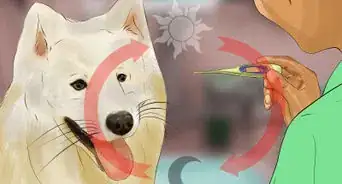
1It helps to know what you're dealing with. Most insect stings can be treated the exact same way, but sometimes special treatment is needed. Take a moment to watch your dog's behavior and then inspect its body for visible bites. You can also run your hands through your dog's fur to feel for bumps.[1]
- Mosquito bites cause excessive itching and raised, irritated bumps.
-
Bee and wasp stings cause redness and swelling. Stings on the face and snout are common. Your dog may whine, limp, itch excessively, or rub their face in the grass. Wasps don't leave a stinger behind, but bees usually do.[2]
- If you find the bee stinger, use a credit card or fingernail to scrape it out.[3]
- Spider, fly, and ant bite cause swollen bumps and redness. Most spiders aren't venomous so the bites are harmless. Venomous bites look like blisters surrounded by red circles and require vet attention.[4]
- Flea bites cause intense itching/scratching, hair loss, and scabs. Look for tiny red, raised dots near the neck, ears, lower back, abdomen, and tail base.[5]
- Ticks embed themselves in your dog's skin, usually between the toes, around the legs/armpits, or near the face/neck area. If the tick is embedded in your dog’s skin, you’ll remove the tick and treat the area with isopropyl alcohol.[6]

Method 2
Method 2 of 10:Take your dog to the vet if it's stung in the mouth.
-
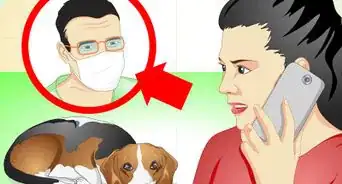
1Mouth stings are dangerous because the swelling can close your dog’s airways. Watch your dog to see if they’re pawing at their mouth or rubbing their snout on the ground. Tongue or throat swelling typically occurs 20 minutes after a sting but can occur several hours later. If you see rapid swelling in the first few minutes after the sting, seek vet attention immediately.[7]

Method 3
Method 3 of 10:Apply a cold compress to reduce swelling.
-
1Use a covered ice pack to soothe your dog’s skin. The cold will also help bring down any swelling from the bite. If your dog has an insect bite in their mouth, but they don't seem to have an allergic reaction, give them a frozen chew toy. Hold the compress to your dog's skin for 15 minutes.[8]

Method 4
Method 4 of 10:Use a baking soda paste to reduce inflammation.
-
1Baking soda works to balance pH levels in your dog’s skin. Mix 1 part water with 3 parts baking soda. Apply the paste onto your dog’s skin over the sting or bite. Repeat this treatment several times per day to alleviate your dog’s symptoms.[9]
- For wasp stings, use vinegar instead of baking soda. Soak a cotton wool pad to apply it to the irritated area on your dog’s skin.[10]

Method 5
Method 5 of 10:Give your dog an oatmeal bath to soothe itchy skin.
-
1Most pet stores sell oatmeal shampoo for dogs. If you don’t have oatmeal shampoo, fill a sock with a handful of oatmeal. Tie the sock to the water spout of a bath and let the bathwater run through the sock.[11]

Method 6
Method 6 of 10:Apply aloe vera gel to the inflamed area.
-
1Aloe’s anti-inflammatory properties can help soothe your dog’s skin. Use fresh aloe gel or pick a aloe product that is 100% aloe vera (without any fragrances or added chemicals). Massage the gel gently into your dogs skin over the affected area.[12]
- If you’re using fresh aloe gel from a leaf, be careful to only use the greenish gel, not the whitish latex sap from the plant.[13]
- The green gel is fine for most dogs if they lick it off, but ingesting the white part of the plant will cause diarrhea and vomiting.

Method 7
Method 7 of 10:Ask your vet about giving your dog Benadryl.

Method 8
Method 8 of 10:Prevent excessive licking around the bite.
-
1Dogs lick to soothe their skin, but this behavior can lead to hot spots. Hot spots are sores caused by infection and inflammation. Put an Elizabethan collar (also called a cone) on your dog to prevent them from reaching the bitten area.[16]
- You could also try putting a tee shirt on your dog or a surgical recovery suit.
- For paw wounds, put a sock wrapped with adhesive surgical tape around your dog’s paw or try a specialized paw bandage.

Method 9
Method 9 of 10:Monitor your dog for signs of infection.
-
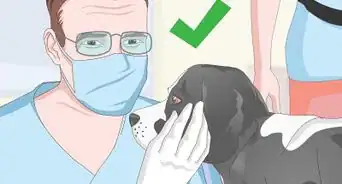
1Watch the affected area for several days after the bite. Pay attention to increasing redness, hair loss, and pus or fluid leaking out of the bitten area. If you spot any of those signs, take your dog to your vet in order to treat the infection.[17]

Method 10
Method 10 of 10:Look out for signs of a serious emergency.
-
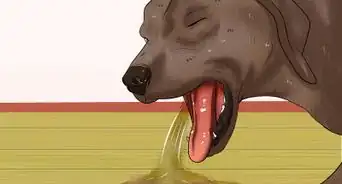
1Go to the vet immediately if you spot weakness, fever, vomiting, or diarrhea. Keep an eye out for these symptoms up to 8 hours after your dog is bitten by a bug. These serious symptoms indicate that your dog may have been bitten by a poisonous spider or other venomous insect. Other concerning symptoms include:[18]
- Tremors
- Joint pain
- Drooling
- Trouble standing or walking
- Difficulty breathing







References
- ↑ https://endmosquitoes.com/mosquito-bites-on-dogs-treatment/
- ↑ https://www.pdsa.org.uk/taking-care-of-your-pet/looking-after-your-pet/all-pets/sting-and-bite-advice
- ↑ https://www.petful.com/pet-health/treating-insect-stings-on-dogs/
- ↑ https://www.mypetneedsthat.com/spider-bite-on-dog/
- ↑ https://www.akc.org/expert-advice/health/flea-bites-on-dogs/
- ↑ https://www.humanesociety.org/resources/getting-tick-your-dog
- ↑ https://www.akc.org/expert-advice/health/dog-stung-bee-wasp/
- ↑ https://www.pdsa.org.uk/taking-care-of-your-pet/looking-after-your-pet/all-pets/sting-and-bite-advice
- ↑ https://www.mypetneedsthat.com/spider-bite-on-dog/
- ↑ https://www.pdsa.org.uk/taking-care-of-your-pet/looking-after-your-pet/all-pets/sting-and-bite-advice
- ↑ https://www.petassure.com/maxscorner/treating-insect-bites-on-pets/
- ↑ https://www.alwayshelpfulveterinaryservices.com/wp-content/uploads/2019/10/The-benefits-of-Aloe-Vera.pdf
- ↑ https://www.seattletimes.com/life/pets/veterinary-qa-follow-up-on-toxins-aloe-vera/
- ↑ https://www.akc.org/expert-advice/health/benadryl-for-dogs/
- ↑ https://www.petful.com/pet-health/treating-insect-stings-on-dogs/
- ↑ https://www.akc.org/expert-advice/health/should-dogs-lick-wounds/
- ↑ https://www.akc.org/expert-advice/health/treating-and-preventing-hot-spots-on-dogs/
- ↑ https://www.mypetneedsthat.com/spider-bite-on-dog/
- ↑ https://www.petful.com/pet-health/treating-insect-stings-on-dogs/
About This Article