This article was co-authored by wikiHow Staff. Our trained team of editors and researchers validate articles for accuracy and comprehensiveness. wikiHow's Content Management Team carefully monitors the work from our editorial staff to ensure that each article is backed by trusted research and meets our high quality standards.
There are 7 references cited in this article, which can be found at the bottom of the page.
This article has been viewed 1,868 times.
Learn more...
Bug bites are common, especially in the summer months or if you spend a lot of time outdoors. Typically, you'll see a small red bump. It might hurt a little or itch, and that's it. But if you have an allergic reaction, these symptoms can be more intense. While it's rare for a bug bite to be life-threatening, an allergic reaction can still be tough to deal with.[1] That's why we here at wikiHow have collected some of the best tips and tricks for treating your allergic reaction to an insect bite so it won't slow you down.
Steps
Method 1
Method 1 of 11:Seek immediate medical attention for anaphylaxis.
-
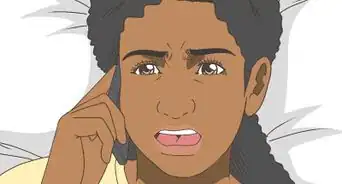
1Symptoms of anaphylaxis include dizziness and trouble breathing. Anaphylaxis isn't common with bug bites—but if you've experienced it before, you might get it again. A rash and a runny nose are likely the first things you'll notice. If you have an EpiPen, use it immediately before calling an emergency number, such as 911 in the US. Be on the lookout for the following symptoms:[2]
- Tightness in your throat or trouble breathing
- Nausea or vomiting
- Dizziness or lightheadedness
- Abdominal pain or diarrhea
- Rapid heart rate

Method 2
Method 2 of 11:Contact your doctor if you have extreme pain or swelling.
-
1While this isn't an emergency, seek medical treatment within 24 hours. It's normal to get some swelling and redness around a bug bite, especially immediately after you get bit. But any swelling, pain, or redness is typically confined to the area immediately around the bite. If you have more generalized pain or a spreading rash, medical treatment will help.[3]
- For example, suppose you get a bug bite on your calf. Within an hour, your entire leg hurts and you can't put any weight on it. You also have a rash spreading from your calf over your whole leg. This is a reaction a doctor needs to look at.
- If your symptoms get worse, not better, an hour or two after the bite, call your doctor and have them look at it.
- You might also go to an emergency or after-hours clinic if you're really concerned about it (or if you're in a lot of pain).

Method 3
Method 3 of 11:Wash the area with soap and water for mild reactions.
-
1This helps get rid of any toxins in bug saliva that you might be reacting to. Cleaning away any sweat or dirt also lowers the risk that the bite could get infected. Don't scrub too hard—you might break the skin. Just dab it gently and rinse off the soap. Then pat it dry.[4]

Method 4
Method 4 of 11:Apply a cold compress for 10 minutes to reduce swelling.
-
1Wrap an ice pack or bag of frozen vegetables in a towel. Hold it to the bite to reduce swelling and inflammation. It'll also slightly numb the area so it won't itch as much. Do this once an hour as needed until your symptoms ease up.[5]

Method 5
Method 5 of 11:Elevate the affected area to reduce swelling.
-
1Raise the area with the bite above the level of your heart. Elevating the area causes blood and fluid to flow away from the bite, which can reduce inflammation. A cold compress will work even better if you're able to elevate the bite at the same time.[6]
- This is relatively easy if the bite is on an arm or a leg. If the bite is on your torso, however, it might not be possible to effectively elevate it.

Method 6
Method 6 of 11:Apply over-the-counter hydrocortisone cream for itch relief.
-
1Avoid scratching the bite to reduce the risk of infection. The bite might be itchy for up to a week, especially if you're having an allergic reaction. Hydrocortisone cream is available at discount and drug stores and you can apply it as needed.[7]
- If you have a hard time not scratching, you might want to cover the bite with a bandage. It won't do anything to help the area heal faster, but it'll keep you from scratching your skin directly.

Method 7
Method 7 of 11:Try an over-the-counter antihistamine to calm the reaction.
-
1An oral antihistamine helps get rid of a rash or itching. Buy an antihistamine at your local drug or discount store and take it immediately. Different products have different dosage instructions, but generally, you can continue to take it every 4-6 hours as needed.[8]
- If you're pregnant or breastfeeding, talk to your doctor before taking an antihistamine.

Method 8
Method 8 of 11:Take an over-the-counter pain reliever as needed.
-
1Use acetaminophen or ibuprofen for pain and inflammation. Follow the dosage instructions on the bottle. If you take something over-the-counter and it's not helping, call your doctor.[9]
- OTC pain relievers and anti-inflammatory medications are usually most helpful immediately after the bite happens. If you find you still need to take something the next day, you might want to call your doctor.

Method 9
Method 9 of 11:See your doctor if the rash around a tick bite expands.
-
1An expanding or bull's eye-shaped rash isn't an allergic reaction. A normal reaction to a tick bite is a small, red bump, less than 1 to 2 in (2.5 to 5.1 cm) in diameter. If the rash grows larger within 1-3 days after the bite, or develops the characteristic bull's eye shape, get treatment for Lyme disease.[10]
- Lyme disease is usually easily treated with a round of antibiotics, but it's better to get started with that as soon as possible.
- Keep in mind that a normal tick bite reaction can last several days or even weeks after the initial bite, but it won't grow any bigger. It's the expansion that you need to look out for. Draw a line around the outside of the redness with a pen or marker so you can easily see if it's expanding.

Method 10
Method 10 of 11:Use antibiotic ointment if the bite looks infected.
-
1Buy antibiotic ointment at a local drug or discount store. Wash the bite area with soap and warm water, then pat it dry. Rub in a thin layer of antibiotic ointment according to the instructions on the package. You might want to cover it with a bandage to protect it and keep the ointment from rubbing off or transferring to your clothes.[11]
- If the bite doesn't look any better after using antibiotic ointment for 48 hours according to the instructions on the package, call your doctor. They can prescribe a stronger antibiotic.

Method 11
Method 11 of 11:Try to avoid insects in the future if you have allergic reactions.
-
1Use bug spray and take precautions to prevent bites. While allergic reactions to insect bites typically aren't life-threatening, they can certainly be annoying and even painful! If you get allergic reactions, try to stay away from areas where bugs are likely to be, such as wooded areas and gardens. When you are planning to go outside for an extended period of time, take the following precautions:[12]
- Wear long sleeves and long pants
- Spray your skin and clothes with bug repellent
- Don't wear perfume or lotion with a floral or sweet scent
- Keep food and drink covered outside
- Stay out of tall grass or areas with dense brush

References
- ↑ https://www.nhs.uk/conditions/insect-bites-and-stings/
- ↑ https://acaai.org/allergies/anaphylaxis
- ↑ https://www.seattlechildrens.org/conditions/a-z/insect-bite/
- ↑ https://www.nhs.uk/conditions/insect-bites-and-stings/treatment/
- ↑ https://www.nhs.uk/conditions/insect-bites-and-stings/treatment/
- ↑ https://www.nhs.uk/conditions/insect-bites-and-stings/treatment/
- ↑ https://www.seattlechildrens.org/conditions/a-z/insect-bite/
- ↑ https://medlineplus.gov/ency/patientinstructions/000549.htm
- ↑ https://www.nhs.uk/conditions/insect-bites-and-stings/treatment/
About This Article

Medical Disclaimer
The content of this article is not intended to be a substitute for professional medical advice, examination, diagnosis, or treatment. You should always contact your doctor or other qualified healthcare professional before starting, changing, or stopping any kind of health treatment.