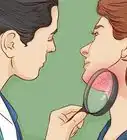
This article was co-authored by Mohiba Tareen, MD. Mohiba Tareen is a board certified Dermatologist and the founder of Tareen Dermatology located in Roseville, Maplewood and Faribault, Minnesota. Dr. Tareen completed medical school at the University of Michigan in Ann Arbor, where she was inducted into the prestigious Alpha Omega Alpha honor society. While a dermatology resident at Columbia University in New York City, she won the Conrad Stritzler award of the New York Dermatologic Society and was published in The New England Journal of Medicine. Dr. Tareen then completed a procedural fellowship which focused on dermatologic surgery, laser, and cosmetic dermatology.
There are 9 references cited in this article, which can be found at the bottom of the page.
wikiHow marks an article as reader-approved once it receives enough positive feedback. In this case, 100% of readers who voted found the article helpful, earning it our reader-approved status.
This article has been viewed 162,333 times.
A sunburn can be painful and embarrassing—especially on your face. The pain and embarrassment are temporary, though, since most sunburns heal after a week or so.[1] The damage to your skin, however, is longer lasting, which is why it's so important to care for your sunburned skin and treat it properly. Here, we've gathered some of the most important tips you can use to treat your sunburned face, from the moment you realize you're burned until the symptoms go away, as well as what you can do to keep it from happening again.
Steps
Method 1
Method 1 of 12:Get out of the sun immediately.
-
1Go inside as soon as your face starts feeling warm or tingly. If you feel like your face is burning, don't take any chances. It can take some time before it starts to look burned, so trust your instincts. Seek shelter to keep the problem from getting any worse.[2]
- If it's not possible for you to go indoors, at least try to find complete shade or shelter somewhere. For example, if you're on the beach, start looking for an umbrella or some shade, at the very least.
Advertisement

Method 2
Method 2 of 12:Seek medical treatment if you have a fever.
-
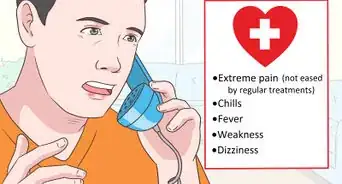
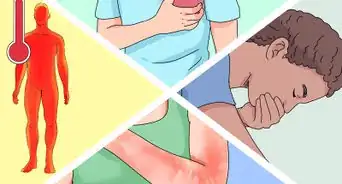
1A fever can be a sign of heat exhaustion or sun poisoning. Other symptoms include nausea, rapid pulse, rapid breathing, extreme thirst, and feeling faint or dizzy. If you're having any of these symptoms, get to a doctor immediately.[3]
- Be ready to tell the doctor how long you were in the sun and what, if any, protection you used. If you're not feeling well enough to discuss your condition, you might want to have a friend or family member come along with you.

Method 3
Method 3 of 12:Drink extra water.
-
1Sunburn draws fluid to the surface of your skin, causing dehydration. Because of this, you'll find that you need to drink more water than you usually do to make sure your body is getting enough fluids.[4] Drinking sports drinks can also help replenish electrolytes and help your skin heal more quickly.[5]
- Pay attention to the color of your urine to make sure you're drinking enough water. It should be either clear or a pale yellow color if you're properly hydrated.
- Keep this up the entire time you have symptoms of sunburn (usually about a week). Making sure you stay well-hydrated keeps your skin as healthy as possible and might ease your symptoms.
Advertisement

Method 4
Method 4 of 12:Splash your face with cool water.
-
1Cool water helps calm your skin and reduces the pain of a sunburn. You can also soak a washcloth in cool water and hold it to your face. Remove the cloth as soon as it gets warm.[6]
- When you're done, gently pat your face dry. Don't rub or scrub your face, which can irritate your skin even more.
- If other parts of your body are also sunburned, you might want to take a cool shower instead. That'll cool off your entire body and help ease the sunburn reaction.

Method 5
Method 5 of 12:Clean and moisturize your face.
-
1A moisturizer with aloe vera will help calm the inflammation.[7] Wash your face with a mild facial cleanser and cool water. Gently pat it dry, leaving a little bit of water still on your skin. Dab the moisturizer onto your skin gently, rather than rubbing it. Vigorous rubbing can cause further damage to your skin. Reapply every hour or so, as needed, if your skin feels dry to the touch.[8]
- Sunburn dries out your skin, so you might find that you need to moisturize more often than you normally do.
- Creams with vitamins C and E might also help limit the damage to your skin.[9]
- Avoid products with names that end in "-caine," because they can further irritate your skin and might cause an allergic reaction.[10]
- Make sure you wash your hands before applying moisturizer, especially if your skin is cracked or peeling—you don't want to risk introducing bacteria.
Advertisement

Method 6
Method 6 of 12:Take an NSAID pain reliever.
-
1Ibuprofen, aspirin, or acetaminophen reduce inflammation. Taking one of these over-the-counter remedies as soon as you notice that you're sunburned might control your symptoms and make them less severe. Continue taking the medication, following the instructions on the package, as long as you're feeling pain or inflammation from your sunburn.[11]
- Don't take NSAIDs if they might interfere with medications you're taking for another medical condition.[12] If you're not sure, call your doctor and ask.

Method 7
Method 7 of 12:Try a milk compress to soothe your skin.
-
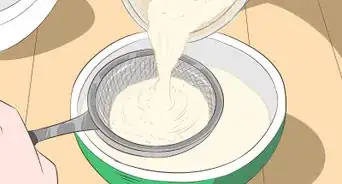
1Soak a washcloth in cold milk and apply it to your face. Wring the cloth out to get rid of excess liquid, then leave it on your face for 10-15 minutes. The milk creates a protective layer on your face that helps to cool and heal your skin.[13]
- This treatment is safe to use whenever you want. If you get benefit from it and it makes your face feel better, you can even do it several times a day.
Advertisement

Method 8
Method 8 of 12:Avoid the sun until your skin is healed.
-
1It can take up to 7 days for your skin to heal. Additional exposure to the sun, even while wearing sunscreen, can exacerbate your condition if you've already been sunburned. If you have no choice but to go outside, wear a wide-brimmed hat to shield your face completely (you might also consider carrying an umbrella) and don't stay in the sun any longer than you have to.[14]
- You're still getting sun exposure even if it's overcast. Protect your skin while it's healing whenever you're outside—not just on bright, sunny days.

Method 9
Method 9 of 12:Moisturize peeling skin twice a day.
-
1Regular moisturizing enables peeling skin to heal faster. If your skin starts peeling, it's in the last stages of the healing process. Help it along by continuing to wash it gently and liberally apply moisturizer.[15]
- It can be tempting to exfoliate or attempt to remove peeling skin, but it's better to leave it alone. Although it might look unsightly, it will naturally slough off as your skin heals. Remember—this only lasts a few days. Just try to be patient.
Advertisement

Method 10
Method 10 of 12:Use a corticosteroid cream for pain and itching.
-
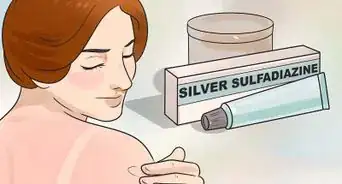
1Buy corticosteroid cream at your local pharmacy. After washing your face, apply a thin layer of the cream to the burned areas of your face. Allow the cream to dry, then add a layer of moisturizer.[16]
- Calamine lotion can also be soothing, especially if your face starts itching in response to the sunburn.

Method 11
Method 11 of 12:Take an antihistamine for itching.
-
1Follow package instructions for antihistamine dosages. After a couple of days when your skin starts to heal, it will likely start itching. It can be really hard not to scratch, but scratching it will only delay the healing process. An antihistamine can help stop the itching sensation so you won't be tempted.[17]
- Antihistamines can be particularly helpful at night when you go to sleep, because you won't be able to stop yourself from scratching your face in your sleep.
Advertisement

Method 12
Method 12 of 12:Don't pick at blisters.
-
1Blisters form to protect healing skin so it's best to let them do their job. Skin that is in the process of healing after a severe burn is much more delicate than the normal skin on your face. If you have blisters, they're there to cover and protect that skin so that it doesn't become more damaged. When you pop blisters, you risk infection and also delay the healing process.[18]
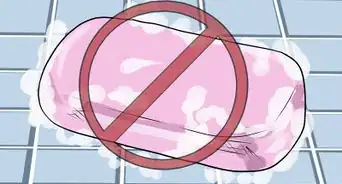
- Don't use petroleum jelly (Vaseline) or any other oil-based ointments or creams on sunburned skin, especially if you're blistered. They can block the pores and lead to infection.[19]

Expert Q&A
Did you know you can get premium answers for this article?
Unlock premium answers by supporting wikiHow
-
QuestionHow can I quickly heal my sunburn?
 Mohiba Tareen, MDMohiba Tareen is a board certified Dermatologist and the founder of Tareen Dermatology located in Roseville, Maplewood and Faribault, Minnesota. Dr. Tareen completed medical school at the University of Michigan in Ann Arbor, where she was inducted into the prestigious Alpha Omega Alpha honor society. While a dermatology resident at Columbia University in New York City, she won the Conrad Stritzler award of the New York Dermatologic Society and was published in The New England Journal of Medicine. Dr. Tareen then completed a procedural fellowship which focused on dermatologic surgery, laser, and cosmetic dermatology.
FAAD Board Certified DermatologistCold compresses will help get rid of any pain, especially if you use whole milk. You can also try applying pure aloe gel every day to help soothe your sunburn.
Support wikiHow by unlocking this expert answer.
-
QuestionWhat if I've already started removing peeling skin? How can I prevent permanent scarring?
 Jennifer Boidy, RNJennifer Boidy is a Registered Nurse in Maryland. She received her Associate of Science in Nursing from Carroll Community College in 2012.
Registered NurseFirst, resist peeling away any more skin. Apply antibacterial ointment to the area where you removed the peeling skin and be sure to keep the area well moisturized. Stay well hydrated and avoid further sun exposure during the healing process. If you have concerns about permanent scarring, consult with a doctor.Support wikiHow by unlocking this expert answer.
-
QuestionI already peeled the blisters what should I do?Jennifer Boidy, RNJennifer Boidy is a Registered Nurse in Maryland. She received her Associate of Science in Nursing from Carroll Community College in 2012.
Registered NurseCleanse the area with clean water only, apply some petroleum jelly or antibacterial ointment to the blister, and then apply a nonstick bandage. Reapply ointment and bandage daily until healed. If during the healing process you notice signs of infection, call your doctor. Signs of infection include: increased pain, swelling, redness or warmth in the area, drainage of pus, red streaks extending away from the site, and fever.Support wikiHow by unlocking this expert answer.
Warnings
- If you experience nausea, dizziness, headache, fever and chills, or facial swelling, seek medical attention immediately. You might have heatstroke.[23]Thanks!
- Sunburn might seem like a temporary problem that goes away relatively quickly, but having just 5 sunburns over the course of your life doubles your risk of developing skin cancer.[24]Thanks!
- Check the expiration date on your sunscreen! Most sunscreens have a shelf-life of 2-3 years, so if you didn't buy yours recently, it may no longer be effective.[25]Thanks!
- Always protect your skin from the sun when you're outside. Even a slight tan is skin damage, which can lead to premature wrinkles and increase your risk of skin cancer.[26]Thanks!


-Step-11.webp)



References
- ↑ https://www.skincancer.org/blog/why-does-my-skin-peel-when-i-get-sunburned/
- ↑ https://www.skincancer.org/risk-factors/sunburn/
- ↑ https://medlineplus.gov/ency/article/003227.htm
- ↑ https://www.aad.org/public/everyday-care/injured-skin/burns/treat-sunburn
- ↑ https://www.beaumont.org/health-wellness/blogs/5-ways-to-relieve-sunburn
- ↑ https://www.aad.org/public/everyday-care/injured-skin/burns/treat-sunburn
- ↑ Mohiba Tareen, MD. FAAD Board Certified Dermatologist. Expert Interview. 26 March 2020.
- ↑ https://www.skincancer.org/risk-factors/sunburn/
- ↑ https://medlineplus.gov/ency/article/003227.htm
- ↑ https://www.aad.org/public/everyday-care/injured-skin/burns/treat-sunburn
- ↑ Mohiba Tareen, MD. FAAD Board Certified Dermatologist. Expert Interview. 26 March 2020.
- ↑ https://www.skincancer.org/risk-factors/sunburn/
- ↑ Mohiba Tareen, MD. FAAD Board Certified Dermatologist. Expert Interview. 26 March 2020.
- ↑ https://www.skincancer.org/blog/why-does-my-skin-peel-when-i-get-sunburned/
- ↑ https://my.clevelandclinic.org/health/symptoms/17832-peeling-skin
- ↑ https://www.mayoclinic.org/diseases-conditions/sunburn/diagnosis-treatment/drc-20355928
- ↑ https://www.mayoclinic.org/diseases-conditions/sunburn/diagnosis-treatment/drc-20355928
- ↑ https://www.aad.org/public/everyday-care/injured-skin/burns/treat-sunburn
- ↑ https://medlineplus.gov/ency/article/003227.htm
- ↑ https://medlineplus.gov/ency/article/003227.htm
- ↑ https://www.skincancer.org/risk-factors/sunburn/
- ↑ https://www.mayoclinic.org/diseases-conditions/sunburn/diagnosis-treatment/drc-20355928
- ↑ https://medlineplus.gov/ency/article/003227.htm
- ↑ https://www.skincancer.org/risk-factors/sunburn/
- ↑ https://www.nhs.uk/live-well/healthy-body/sunscreen-and-sun-safety/
- ↑ https://medlineplus.gov/ency/article/003227.htm
About This Article

Medical Disclaimer
The content of this article is not intended to be a substitute for professional medical advice, examination, diagnosis, or treatment. You should always contact your doctor or other qualified healthcare professional before starting, changing, or stopping any kind of health treatment.
To treat sunburn, splash water on your face to cool it off or use a cold compress, like a towel. You can also take ibuprofen, aspirin, or acetaminophen to manage inflammation and pain. While you're waiting for your sunburn to heal, moisturize your skin every day and drink lots of water to keep your skin hydrated. Equally, make sure to stay out of the sun as much as possible while you heal, and use SPF 30 or 50 sunscreen if you need to go outside. For more tips from our Medical co-author, including how to prevent sunburn on your face, read on!