This article was co-authored by wikiHow staff writer, Hannah Madden. Hannah Madden is a writer, editor, and artist currently living in Portland, Oregon. In 2018, she graduated from Portland State University with a B.S. in Environmental Studies. Hannah enjoys writing articles about conservation, sustainability, and eco-friendly products. When she isn’t writing, you can find Hannah working on hand embroidery projects and listening to music.
There are 10 references cited in this article, which can be found at the bottom of the page.
This article has been viewed 1,703 times.
Learn more...
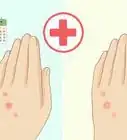
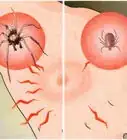
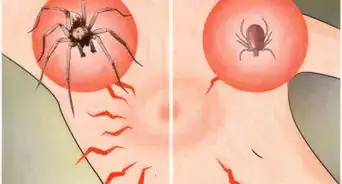
Bug bites are annoying—the itching, swelling, and discomfort that comes with them can be a major irritation. But when a bug bite gets infected, it can be more than just an annoyance. All infections need to be treated with antibiotics, so you should visit your doctor right away if you think your bite is infected. In the meantime, there are a few things you can do at home to lessen your symptoms and keep your infected bug bite clean.
Steps
Method 1
Method 1 of 11:Visit your doctor to get antibiotics.
-
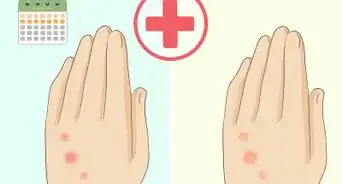
1The only way to get rid of an infection is with antibiotics. Unfortunately, most infections won’t go away on their own, and you’ll need medicine to heal it fully. As soon as you realize your bite is infected, head to the doctor to get a prescription for oral or topical antibiotics.[1]
- Signs of an infection include swelling, redness, fever, nausea, chills, cold sweats, and pus or drainage.
- Your bite might also be infected if your lymph nodes are swollen, the area feels warm to the touch, or there’s a redness that streaks beyond the initial bite.

Method 2
Method 2 of 11:Clean the bite with soap and water.
-
1It will cleanse your bite of any bacteria or germs. Head over to the sink or shower and rinse your bite with plain water, then lather on some antibacterial soap. Rinse the area thoroughly with water again, then pat it dry gently with a clean towel.[2]
- Try not to rub or tug at your skin, since that can make your swelling and irritation worse. Be gentle so you don’t hurt your skin or the infected area even more.

Method 3
Method 3 of 11:Apply hydrocortisone cream.
-
1It can help stop swelling, itching, and irritation. Make sure your insect bite is completely clean and dry, then smooth on some over-the-counter hydrocortisone cream. You can reapply this cream every 4 hours until your symptoms stop or your bite heals.[3]
- You can also try a topical antihistamine to stop pain and itching.
- If your skin is broken, apply hydrocortisone cream around the area, but not directly on top of the broken skin.[4]

Method 4
Method 4 of 11:Take an oral antihistamine.
-
1Benadryl and ibuprofen can help stop swelling and reduce inflammation. Plus, they can help take away some of the pain and discomfort from an infected bite. If topical creams aren’t quite cutting it, pick up a bottle of oral antihistamines from the drug store, and follow the dosage instructions on the back of the bottle. Usually, you can take a few capsules every 4 to 6 hours, but it varies depending on the type of medicine.[5]
- Try not to mix oral antihistamine types, since they sometimes have different dosage recommendations.[6]
- If you’ve already used a hydrocortisone cream, it’s still safe to take an oral antihistamine.

Method 5
Method 5 of 11:Soothe your skin with calamine lotion.
-
1If your bite is really itchy, you might need some extra relief. Head to the drug store and pick up a bottle of calamine lotion, a calming lotion made of mostly zinc and iron oxide. Spread a thin layer of this all over your insect bite to reduce itching and calm any irritation. If you’ve already put on hydrocortisone cream, that’s fine—just add your calamine lotion on top.[7]
- Reapply your calamine lotion every 4 hours to reduce itching and irritation.
- If your skin is broken or the wound is open, don’t apply calamine lotion directly on top of it.[8]

Method 6
Method 6 of 11:Cover the bite with a bandage.
-
1It’s important to keep the infection free from any new bacteria. Once your bite is washed and dried, grab a bandage and place it carefully over the area. Make sure you change your bandage once a day, or more often if it gets dirty or wet. Leaving a dirty bandage on your infected bite can make it worse, so it’s important to change it out regularly.[9]
- You can also use a self-adhering bandage or a medical wrap.

Method 7
Method 7 of 11:Use an ice pack to reduce swelling and inflammation.
-
1Infections usually get swollen, which can be really uncomfortable. If your infected bite is swollen or warm to the touch, grab a few ice cubes and put them into a plastic bag. Wrap the bag in a towel, then press it against your swollen bite for some cooling, soothing relief.[10]
- This is a great alternative if you don’t have calamine lotion. Or, you can combine using an ice pack with applying calamine lotion for extra soothing.

Method 8
Method 8 of 11:Elevate the bite to reduce inflammation.
-
1Try to keep your bite above your heart. This will reduce blood flow to the area and can help reduce swelling and inflammation. Prop the affected area up on a chair or a pillow to keep it upright as much as possible. You can pair this method with using an ice pack to cut down on the discomfort that comes with swelling.[11]
- If you can’t elevate your bug bite, it’s okay. This is an optional step that can be helpful, but it’s not totally necessary.

Method 9
Method 9 of 11:Avoid scratching.
-
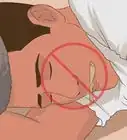
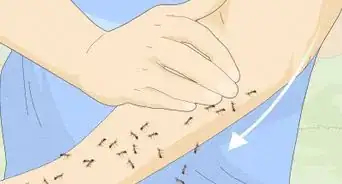
1While this is true for all bug bites, it’s especially true for infections. Although it might be tough, try as hard as you can not to scratch or itch the area, since that can make your bite a lot worse. Your fingernails can introduce a lot of bacteria to your skin, which is the opposite of what you want when healing an infection. Try cutting your nails short so you aren’t tempted to scratch at your infected bite.[12]
- Plus, scratching can cause minor rips and tears in your skin, leading to more pain and swelling.

Method 10
Method 10 of 11:Don't use vinegar or baking soda.
-
1These home remedies are sometimes recommended for bug bites. However, experts warn that they’re not likely to do much, and using harsh products like these can actually cause more irritation. Stick to using medicinal creams and lotions to reduce itching and swelling, and go to the doctor if you’re having complications.[13]

Method 11
Method 11 of 11:Call emergency services if you have severe symptoms.
-
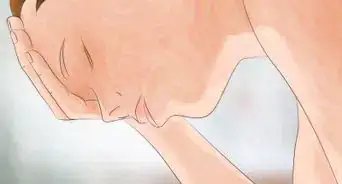
1This includes wheezing, difficulty breathing, confusion, or agitation. Symptoms like these can point to a severe infection, which can be life-threatening. You should also call emergency services if you’re experiencing dizziness, difficulty swallowing, or a fast heart rate because of your infection.[14]

Warnings
- Infections can be life-threatening, and they usually don’t go away on their own. If you think your bug bite is infected, make an appointment with your doctor.[15]Thanks!




References
- ↑ https://www.seattlechildrens.org/conditions/a-z/mosquito-bite/
- ↑ https://health.clevelandclinic.org/what-happens-when-a-mosquito-bite-gets-infected-and-what-to-do/
- ↑ https://health.clevelandclinic.org/what-happens-when-a-mosquito-bite-gets-infected-and-what-to-do/
- ↑ https://www.drugs.com/cdi/hydrocortisone-cream-gel-ointment-and-solution.html
- ↑ https://www.fairview.org/blog/When-to-worry-or-not-worry-about-a-bug-bite
- ↑ https://familydoctor.org/antihistamines-understanding-your-otc-options/
- ↑ https://health.clevelandclinic.org/what-happens-when-a-mosquito-bite-gets-infected-and-what-to-do/
- ↑ https://www.drugs.com/mtm/calamine-topical.html
- ↑ https://my.clevelandclinic.org/health/diseases/21522-cellulitis-from-a-bug-bite
- ↑ https://www.fairview.org/blog/When-to-worry-or-not-worry-about-a-bug-bite
- ↑ https://www.nhs.uk/conditions/insect-bites-and-stings/treatment/
- ↑ https://www.guidelinesinpractice.co.uk/infection/bites-and-stings-when-to-prescribe-an-antibiotic/455897.article
- ↑ https://www.nhs.uk/conditions/insect-bites-and-stings/treatment/
- ↑ https://www.nhsinform.scot/illnesses-and-conditions/injuries/skin-injuries/insect-bites-and-stings
- ↑ https://www.nhsinform.scot/illnesses-and-conditions/injuries/skin-injuries/insect-bites-and-stings
About This Article

Medical Disclaimer
The content of this article is not intended to be a substitute for professional medical advice, examination, diagnosis, or treatment. You should always contact your doctor or other qualified healthcare professional before starting, changing, or stopping any kind of health treatment.