X
This article was medically reviewed by Erik Kramer, DO, MPH. Dr. Erik Kramer is a Primary Care Physician at the University of Colorado, specializing in internal medicine, diabetes, and weight management. He received his Doctorate in Osteopathic Medicine (D.O.) from the Touro University Nevada College of Osteopathic Medicine in 2012. Dr. Kramer is a Diplomate of the American Board of Obesity Medicine and is board certified.
Do you feel exhausted all of the time, even after a full night’s sleep (and maybe a nap or two)? You could have a disorder called hypersomnia. Luckily, there are things you can do to manage and maybe even stop it.
Steps
Question 1
Question 1 of 6:Background
Question 1
-
1Idiopathic hypersomnia is a neurological disorder. Idiopathic hypersomnia (IH) is a chronic neurological disorder that makes you feel like you’re always exhausted. The need to sleep can strike at any time, including while you’re driving or working, which can make IH potentially dangerous for some people. Usually, the disorder develops over a period of weeks, but sometimes it can slowly progress over months.[1]
-
2You can feel exhausted even after a full night’s sleep. That’s what makes the disorder so frustrating. Even after a long night of restful sleep, you can still feel an almost insatiable need to sleep. People with IH often sleep normal or even longer amounts of time each night. But the disorder still makes them feel sleepy. Even naps don’t help and can actually make you feel even worse.[2]Advertisement


Question 2
Question 2 of 6:Causes
Question 2
-
1The condition can be a combination of symptoms with many causes. The truth is, there’s actually little research in the area of idiopathic hypersomnia. IH may not be an actual disease, but rather a combination of underlying symptoms. For instance, some people could have an infection that they don’t know about as well as an abnormal or irregular sleep schedule. These factors in combination can potentially cause IH.[3]
-
2It can be tricky to figure out the underlying cause. Part of what makes IH difficult to diagnose is the fact that it can be caused by an underlying problem (or even a combination of underlying problems) that is tough to identify. Usually, if you can figure out what’s causing your IH, it can be treated.[4]
-
3IH can be caused by another sleep disorder. Conditions like narcolepsy or sleep apnea can affect the quality of your sleep. So even if you’re getting a full night of sleep, you may not be actually getting the rest your brain needs to function properly and feel alert.[5]
-
4A brain abnormality or dysfunction can potentially cause IH. Sometimes it can be a chemical imbalance in your brain. For instance, some people who have low levels of the brain chemical called histamine can develop IH. Because the condition is neurological, a dysfunction of your nervous system or brain damage could be the cause of it.[6]
- In some cases, IH can result from head trauma or an injury to your central nervous system.
-
5Drug or alcohol abuse can also be a cause. You can develop IH if you use sedatives such as benzodiazepines, barbiturates, or alcohol. Additionally, using stimulants can also potentially cause it. If you take sedatives or stimulants often, when you stop, the withdrawals can also potentially cause IH.[7]Advertisement


Question 3
Question 3 of 6:Symptoms
Question 3
-
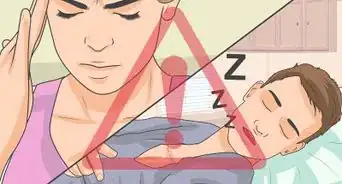
1You still feel tired even after sleeping for a long time. Some people sleep up to 10 hours or more and still feel tired. The most common symptom is excessive amounts of sleep. The extreme fatigue caused by IH makes you sleep for enormous amounts of time. But even with the extra sleep, you can still feel sleepy afterward.[8]
-
2Grogginess and difficulties waking up are common. A “sleep drunkenness” where you feel extremely tired and unable to focus or feel alert is a common symptom. You may have a tough time waking up, even using alarm clocks. IH can make you feel like you’re in a daze all day long.[9]
-
3Some people feel a compulsion to go to sleep. In order to combat their extreme tiredness, folks with IH will often feel the need to nap repeatedly throughout the day. Sometimes, this can happen at inappropriate times such as at work or while you’re in a conversation. But the need can occur at potentially dangerous times.[10]Advertisement


Question 4
Question 4 of 6:Diagnosis
Question 4
-
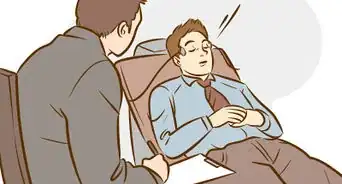
1Get a sleep test to confirm your IH. An overnight sleep test or polysomnography (PSG), followed by a daytime multiple sleep latency test (MSLT) is ideal. Ask your doctor for a referral to a sleep lab that can perform these tests. An accurate diagnosis can help you fight your IH.[11]
- Your doctor will make a diagnosis if you also have daily periods for 3 months where you feel the need to sleep and if you have no history of cataplexy, which is when you have strong emotions that cause you to collapse but still remain conscious.

Question 5
Question 5 of 6:Treatment
Question 5
-
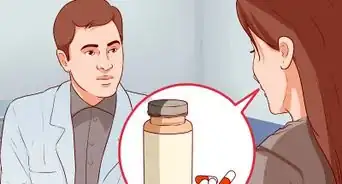
1Taking prescribed stimulants can help you feel awake and alert. Because the exact cause of IH isn’t known, most treatments are symptomatic in nature, which means your doctor will try to find something that helps you feel less sleepy. Usually, stimulants such as modafinil, amphetamine, and methylphenidate can be prescribed. These drugs can make you feel alert throughout the day so you don’t fall asleep at your desk or behind the wheel.[12]
- Modafinil is usually the first therapy since it doesn’t have as many side effects as other medications.
-
2There are a few drugs your doctor may try to treat your IH. While there may not be a specific drug designed for treating IH, there are a few that can be helpful for some people. Your doctor may prescribe drugs such as clonidine, levodopa, or bromocriptine. They may also prescribe antidepressants to treat potential underlying psychological causes of your IH.[13]
-
3Your doctor may try to treat any other sleep disorders you have. If your doctor diagnoses you with another sleep disorder such as narcolepsy or sleep apnea, they may try to treat that condition in order to combat your IH. Drugs for narcolepsy or using a CPAP machine to treat your sleep apnea may help you get more restful sleep, which can potentially treat your IH.[14]
-
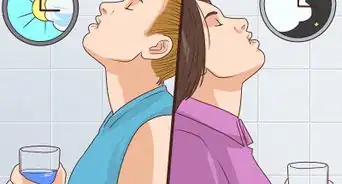
4Creating a sleep schedule can help you get more restful sleep. Lifestyle can make a big difference, too. Your doctor may recommend that you develop a regular nighttime sleep schedule so you get consistent, restful sleep. Avoiding alcohol and medications that can affect your sleep may help as well. You may also want to cut out caffeine or other substances that may interfere with your ability to sleep properly.[15]
- For instance, you may want to avoid working late at night or participating in social activities that can keep you up late.[16]
- Avoid taking daytime naps since they’re usually long and won’t make you feel better.
Advertisement


Question 6
Question 6 of 6:Prognosis
Question 6
-
1If you can treat the cause, you may be able to treat your IH. The good news is that IH isn’t life-threatening. However, it can have serious consequences if you fall asleep at the wrong time. But by treating your symptoms, you can avoid most potentially dangerous situations. The key to treating IH is to treat whatever is causing it, which means some folks make a full recovery while others may experience IH indefinitely. Work with your doctor and follow your treatment plan for the best chance of beating the disorder.[17]
- For instance, if you have another sleep disorder that your doctor is able to treat, you may not experience IH anymore. However, if the cause of your IH is traumatic brain damage, you may need to continually take medications to treat your symptoms.

Warnings
- Never take any prescription drugs, especially stimulants, without talking to your doctor to make sure they’re safe for you.Thanks!
- If you feel super tired, don’t get behind the wheel.Thanks!
Advertisement







References
- ↑ https://www.mayoclinic.org/diseases-conditions/hypersomnia/symptoms-causes/syc-20362332
- ↑ https://www.hypersomniafoundation.org/ih/
- ↑ https://stanfordhealthcare.org/medical-conditions/sleep/idiopathic-hypersomnia.html
- ↑ https://stanfordhealthcare.org/medical-conditions/sleep/idiopathic-hypersomnia.html
- ↑ https://www.ninds.nih.gov/Disorders/All-Disorders/Hypersomnia-Information-Page
- ↑ https://stanfordhealthcare.org/medical-conditions/sleep/idiopathic-hypersomnia.html
- ↑ https://www.sciencedirect.com/topics/neuroscience/hypersomnia
- ↑ https://stanfordhealthcare.org/medical-conditions/sleep/idiopathic-hypersomnia.html
- ↑ https://stanfordhealthcare.org/medical-conditions/sleep/idiopathic-hypersomnia.html
- ↑ https://www.ninds.nih.gov/Disorders/All-Disorders/Hypersomnia-Information-Page
- ↑ https://www.hypersomniafoundation.org/ih/
- ↑ https://www.sleepfoundation.org/articles/extreme-sleepiness
- ↑ https://www.ninds.nih.gov/Disorders/All-Disorders/Hypersomnia-Information-Page
- ↑ https://stanfordhealthcare.org/medical-conditions/sleep/idiopathic-hypersomnia.html
- ↑ https://www.sleepfoundation.org/articles/extreme-sleepiness
- ↑ https://www.ninds.nih.gov/Disorders/All-Disorders/Hypersomnia-Information-Page
- ↑ https://www.ninds.nih.gov/Disorders/All-Disorders/Hypersomnia-Information-Page
About This Article
Advertisement














































Medical Disclaimer
The content of this article is not intended to be a substitute for professional medical advice, examination, diagnosis, or treatment. You should always contact your doctor or other qualified healthcare professional before starting, changing, or stopping any kind of health treatment.
Read More...