This article was co-authored by Pippa Elliott, MRCVS. Dr. Elliott, BVMS, MRCVS is a veterinarian with over 30 years of experience in veterinary surgery and companion animal practice. She graduated from the University of Glasgow in 1987 with a degree in veterinary medicine and surgery. She has worked at the same animal clinic in her hometown for over 20 years.
This article has been viewed 13,263 times.
A head tilt can be the first symptom of a middle ear infection or brain issues in your gerbil, so the best, first step you should take is to take your gerbil to the vet. Paying close attention to your gerbil’s movement, the position of its head, and its walking pattern will help you recognize head tilt and get your gerbil the care it needs. Your vet might give your gerbil an anti-inflammatory injection or antibiotics, depending on what’s causing the head tilt.
Steps
Part 1
Part 1 of 2:Recognizing the Symptoms of Head Tilt
-
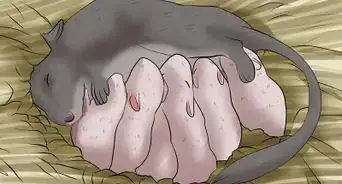
1See if your gerbil is having difficulty walking straight. Gerbils with head tilt will often walk or run in a continuous circle. With the imbalance that causes a head tilt, your gerbil won’t be able to walk or run in a straight line.[1]
- If you notice your gerbil moving this way, keep an eye on it until you can get it to the vet. Walking in a tilt won't hurt your gerbil, but running into walls or furniture because it's off balance will.
-
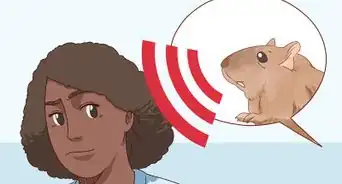
2Check your gerbil's head for a tilt to one side or another. If your gerbil’s head is tilted to one side or another, it’s time to take it to the vet. This tilt is a classic sign of the condition, and if you notice it, you should take your gerbil to the vet.[2]
- Your gerbil's head may tilt to the left or the right, but it won't change sides while it's happening. In other words, if the tilt started on the left side, it will stay there.
Advertisement -
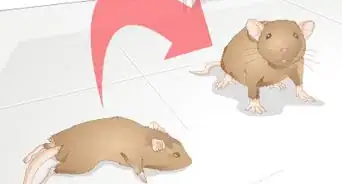
3Pay attention to your gerbil's balance. Just because your gerbil isn’t walking in circles doesn’t mean it doesn’t have head tilt. If your gerbil seems to be losing its balance in any way – stumbling or falling over – it might still be dealing with the underlying causes of head tilt. These causes include balance issues or an infection. Because the causes can be serious, if you notice a lack of balance in your gerbil, take it to the vet.[3]
-
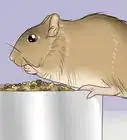
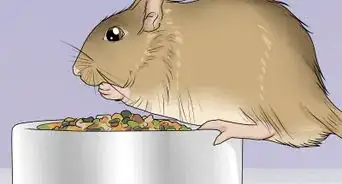
4Monitor your gerbil’s eating and drinking. Gerbils with head tilt may feel disoriented or nauseated. A disoriented gerbil may find it difficult to move to its food and water, and a nauseated gerbil may feel too sick to eat or drink. If you notice that your gerbil is not eating or drinking, call your vet immediately or go to an emergency vet.Advertisement


Part 2
Part 2 of 2:Treating Head Tilt
-
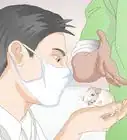
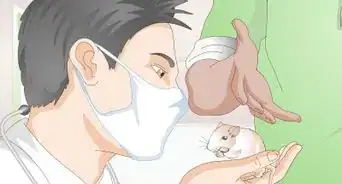
1Take your gerbil to the vet. If left untreated, head tilt can quickly advance to more serious health issues and can be fatal to your gerbil. As soon as you notice head tilt in your gerbil, take it to the vet to get checked out.[4]
-
2Ask your vet for an anti-inflammatory injection. If your gerbil's head tilt is caused by inflammation in the brain (as opposed to an inner ear infection), your gerbil might need anti-inflammatory drugs. Your vet will know exactly what type of medicine will work and how to give it to your gerbil. This type of medicine is not something available over the counter, so make an appointment to have your vet administer it.[5]
-
3Give your gerbil antibiotics. If your gerbil's head tilt is caused by an inner ear infection, antibiotics are the best bet for clearing it up. Make sure you follow the prescription your vet gives you so the infection fully clears up. You will probably need to administer the antibiotic directly into your gerbil’s mouth in a liquid form.[6]
- How long you'll need to give your gerbil antibiotics will depend on how severe the infection is. Your vet will tell you exactly how long you should give your gerbil its meds - make sure you listen!
-
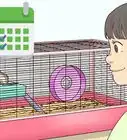
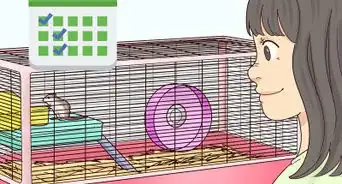
4Keep your gerbil in a safe space until it recovers. This is especially important if your gerbil has lost its balance, since you don't want it getting hurt. Keep your gerbil in its cage, and line the cage with soft material like old t-shirts. Also clear out anything your gerbil might trip over.Advertisement


Expert Q&A
-
QuestionCan gerbils get cancer?
 Pippa Elliott, MRCVSDr. Elliott, BVMS, MRCVS is a veterinarian with over 30 years of experience in veterinary surgery and companion animal practice. She graduated from the University of Glasgow in 1987 with a degree in veterinary medicine and surgery. She has worked at the same animal clinic in her hometown for over 20 years.
VeterinarianLike all animals, gerbils can develop cancer. It may present as skin lumps or appear internally, affecting the organs. Signs of cancer are general and include not eating, weight loss, and lack of interest in life. -
QuestionDo gerbils get lonely?Pippa Elliott, MRCVSDr. Elliott, BVMS, MRCVS is a veterinarian with over 30 years of experience in veterinary surgery and companion animal practice. She graduated from the University of Glasgow in 1987 with a degree in veterinary medicine and surgery. She has worked at the same animal clinic in her hometown for over 20 years.
VeterinarianGerbils are very social animals and are happiest when kept in groups. In the wild, these groups tend to be made up of up to 15 individuals of all ages. Sadly, this does mean a lone gerbil will be lonely and is at risk of becoming depressed. -
QuestionHow do you treat a gerbil's ear infection?Pippa Elliott, MRCVSDr. Elliott, BVMS, MRCVS is a veterinarian with over 30 years of experience in veterinary surgery and companion animal practice. She graduated from the University of Glasgow in 1987 with a degree in veterinary medicine and surgery. She has worked at the same animal clinic in her hometown for over 20 years.
VeterinarianEar problems are common in mature gerbils. This is often a condition known as aural cholesteatoma which involves a fibrous mass pushing on the drum. Treatment is difficult but can include surgical removal of the mass. Medicated ear drops can give some temporary relief. -
QuestionCan gerbils have strokes?Pippa Elliott, MRCVSDr. Elliott, BVMS, MRCVS is a veterinarian with over 30 years of experience in veterinary surgery and companion animal practice. She graduated from the University of Glasgow in 1987 with a degree in veterinary medicine and surgery. She has worked at the same animal clinic in her hometown for over 20 years.
VeterinarianElderly gerbils are prone to strokes, which is where a small blood clot blocks the circulation to a particular part of the body. However, this shouldn't be confused with a seizure, which a neurological condition causing fits which occur in young gerbils.
Warnings
- The underlying cause of head tilt can reoccur, so make sure you keep an eye on your gerbil. If it doesn’t seem to have any other symptoms, no need to worry.Thanks!
References
- ↑ https://www.omlet.co.uk/guide/gerbils/gerbil_health/illness
- ↑ http://www.animalhospitals-usa.com/small-pets/gerbils/gerbil-health.html
- ↑ https://www.omlet.co.uk/guide/gerbils/gerbil_health/illness
- ↑ https://www.omlet.co.uk/guide/gerbils/gerbil_health/illness
- ↑ https://www.omlet.co.uk/guide/gerbils/gerbil_health/illness
- ↑ https://www.omlet.co.uk/guide/gerbils/gerbil_health/illness
About This Article

If you notice your gerbil is having trouble walking straight or maintaining its balance, it may be suffering from head tilt and will need to be taken to the vet as soon as possible. Since head tilt is caused by inflammation in the brain, your vet will most likely recommend an anti-inflammatory injection, which they will perform themselves. After that, you may need to feed your gerbil liquid antibiotics at home by pumping the medicine directly into your gerbil's mouth. To ensure the infection fully clears up, make sure to follow your vet's prescription and instructions exactly. For more advice from our Veterinary co-author, such as how to optimize your gerbil's cage for its recovery, read on.