This article was medically reviewed by Jonas DeMuro, MD. Dr. DeMuro is a board certified Pediatric Critical Care Surgeon in New York. He received his MD from Stony Brook University School of Medicine in 1996. He completed his fellowship in Surgical Critical Care at North Shore-Long Island Jewish Health System and was a previous American College of Surgeons (ACS) Fellow.
This article has been viewed 489,444 times.
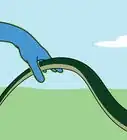
The key to surviving a venomous snake bite is to stay calm and seek medical attention immediately. It's especially important to seek help if the bite mark changes in color, starts to swell up, or hurts. Venomous snake bites can be deadly if left untreated, so if you suspect at all that that may have happened to you or a friend, don't wait to call 911 or to head to the hospital. Read on for more tips to survive a venomous snake bite.[1]
Steps
Method 1
Method 1 of 11:Move out of the snake’s reach.
-
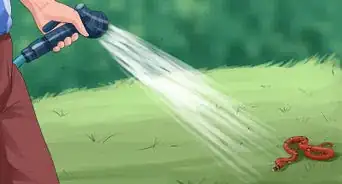
1To survive a snake bite, first you need to ensure you won’t be bit again. Get away from the snake and move to a safe location. If you’re with other people, make sure everyone else stays clear of the snake as well.[2]
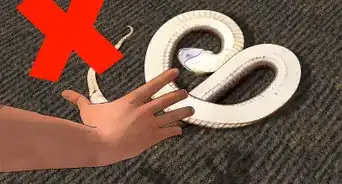
Method 2
Method 2 of 11:Call 911.
-
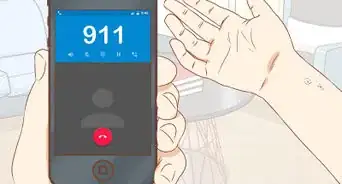
1Receiving emergency medical help should be your top priority. Call 911 immediately if you're located in the USA. Antivenom is necessary to treat serious and life-threatening effects of venomous snake bites, and it will be provided by emergency medical services and by your local hospital.[3]
- For emergency service phone numbers outside of the US, click here.
Method 3
Method 3 of 11:Don't do anything to delay getting professional attention.
-
1Getting antivenom as quickly as possible is the most important thing. Call 911 before you start treating the bite or, if you’re driving the victim straight to the nearest hospital, have someone else treat the victim during the drive. If you have to travel on foot in order to get the bite victim to proper medical help, carry them to limit their movement, as long as it doesn’t slow your efforts to get medical help. If it does, have the snake bite victim walk or run.[4]
- Avoid having the snake bite victim drive a car, as the venom may cause them to get dizzy or pass out.
Method 4
Method 4 of 11:Stay still and calm.
-
1Keeping your body still could slow the venom’s spread. Keeping stress levels low will also help slow the venom. Focus on your breathing. If you’re with other people, have someone else call 911 while you try your best to stay calm.[5]
Method 5
Method 5 of 11:Remove jewelry and tight clothes.
-
1Tight clothes could worsen injuries that start to swell. Jewelry, shoes, socks, or tight clothes of any kind can cause even more damage to a swelling snake bite. Remove restrictive clothes and jewelry as quickly as possible, before the swelling starts or gets worse.[6]
Method 6
Method 6 of 11:Keep the bite location below your heart.
-
1Positioning the bite below your heart will help your chances of survival. The venom will spread slower from the snake bite location if it stays below your heart. If you get bitten on the leg, for example, sit with your chest up and your legs laying flat on the ground to keep your heart above the bite.[7]
Method 7
Method 7 of 11:Clean and wrap the wound.
-
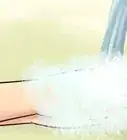
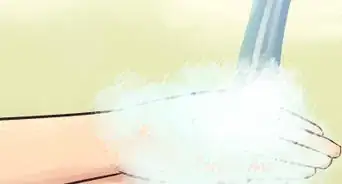
1Removing dirt from the area without aggravating the wound will help. Use soap and water to gently clean the snake bite wound. Don’t wash thoroughly or aggressively, because if you completely remove the venom and haven’t gotten a good look at the snake, this can make it harder to treat with the correct antivenom. Loosely wrap the wound in a clean bandage.[8]
Method 8
Method 8 of 11:Don’t go after the snake.
-
1Going after the snake for any reason could make things much worse. If you or a friend is angry, curious, or even trying to get a good look at the snake so they can inform professional help, they may be tempted to hunt down the snake. This should be avoided at all costs. No matter the reason, risking another bite, either a second on the first bite victim or a first bite on a new victim, will make it much harder to get out of the situation safely.[9]
Method 9
Method 9 of 11:Get informed on how NOT to treat a bite.
-
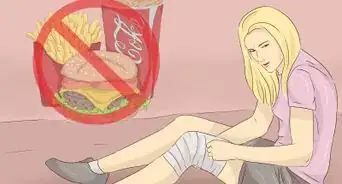
1Avoid treatments and drinks that can make your bite worse. Don’t consume alcohol as a means of managing pain. Don’t drink caffeine, because this could cause the venom to move through your body faster. Don’t try treating the bite in ways not specifically suggested by trustworthy resources. Don’t treat in any of the following ways:[10]
- Using a tourniquet.
- Applying ice.
- Cutting the wound.
- Attempting to remove or suck out the venom.
- Submerging the bite in water.
Method 10
Method 10 of 11:Try to remember the snake’s appearance.
-
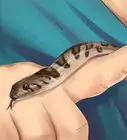
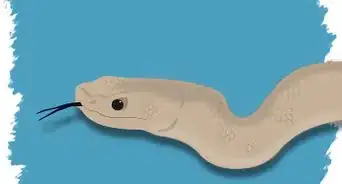
1It will help with treatment if your doctor knows which snake species bit you. If you or a friend can try to remember distinctive features on the snake, this will be extremely helpful. Try to remember some of the snake’s specific qualities:[11]
- Length.
- Girth.
- Head shape.
- Pattern on its body.
- Additional distinctive traits. A rattlesnake, for example, may have made a rattling noise before striking.
Method 11
Method 11 of 11:Don’t wait to take action.
-
1Waiting to call for help can be a life-or-death decision. If you suspect that you’ve been bitten by a venomous snake, don’t wait around to see how you feel or to see how symptoms progress. Instead, call emergency services immediately.[12]
References
- ↑ https://www.mayoclinic.org/first-aid/first-aid-snake-bites/basics/art-20056681
- ↑ https://www.mayoclinic.org/first-aid/first-aid-snake-bites/basics/art-20056681
- ↑ https://www.mayoclinic.org/first-aid/first-aid-snake-bites/basics/art-20056681
- ↑ https://www.scouting.org/health-and-safety/safety-moments/snake-bites/
- ↑ https://www.mayoclinic.org/first-aid/first-aid-snake-bites/basics/art-20056681
- ↑ https://www.mayoclinic.org/first-aid/first-aid-snake-bites/basics/art-20056681
- ↑ https://www.mayoclinic.org/first-aid/first-aid-snake-bites/basics/art-20056681
- ↑ https://www.mayoclinic.org/first-aid/first-aid-snake-bites/basics/art-20056681
- ↑ https://www.mayoclinic.org/first-aid/first-aid-snake-bites/basics/art-20056681
About This Article

The best way to survive a snake bite is to call emergency help and stay calm. Make a splint to restrict movement, and keep the area below the heart so the venom doesn't spread. Don't try to suck the venom out. Instead, allow the bite to bleed and cover it with a loosely wrapped bandage. Read on for more tips from our Surgical reviewer, including how to accurately tell the paramedics what type of snake bit you.