This article was co-authored by Nicole Moshfegh, PsyD. Dr. Nicole Moshfegh is a Licensed Clinical Psychologist and Author based in Los Angeles, California. Dr. Moshfegh specializes in multicultural competence and treating patients with mood and anxiety disorders and insomnia. She holds a BA in Psychology and Social Behavior from The University of California, Irvine (UCI), and an MA and Doctor of Psychology (PsyD) from Pepperdine University. Dr. Moshfegh completed her predoctoral internship and postdoctoral fellowship at The University of California, Los Angeles (UCLA). Additionally, she is a member of the American Psychological Association, National Register of Health Service Psychologists, Los Angeles County Psychological Association, and Collaborative Family Healthcare Association. Dr. Moshfegh is also the best-selling author of "The Book of Sleep: 75 Strategies to Relieve Insomnia".
There are 14 references cited in this article, which can be found at the bottom of the page.
wikiHow marks an article as reader-approved once it receives enough positive feedback. In this case, several readers have written to tell us that this article was helpful to them, earning it our reader-approved status.
This article has been viewed 92,378 times.
Many times people feel dissatisfied because they don't feel appreciated by others. That's understandable. Of course we all long to be valued by others. But if our happiness depends on the encouragement of others, we may at times find ourselves being needlessly discouraged. The solution is to encourage yourself! Here are some ways to do just that.
Steps
Method 1
Method 1 of 9:Be proud of yourself.
-
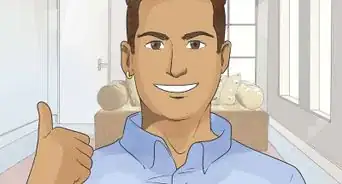
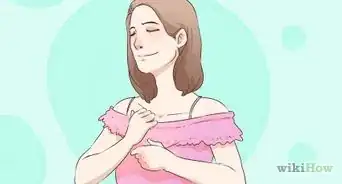
1Whether it is because of a small accomplishment or just life in general, you have to believe in yourself. If self esteem is an issue for you, try therapy or do some research on the subject. You can't encourage yourself if you don't like yourself.[1]Advertisement

Method 2
Method 2 of 9:Try being your own best friend.
-
1Talk to yourself like you would to a friend who needed motivation, and try to figure out what's wrong. Take 20-30 minutes to reflect on why you feel down or upset. Acknowledge and validate your own feelings, just like you'd empathize with a friend.[2] Say things like "I know it's hard but you can do it," or, "By this time tomorrow, it will be all done."[3]

Method 3
Method 3 of 9:Keep a good sense of humor.
-
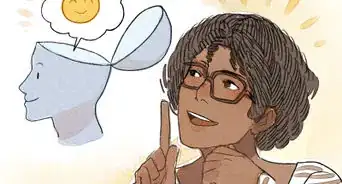
1It helps tremendously![4]Advertisement

Method 4
Method 4 of 9:Spend some time on a hobby.[5]

Method 5
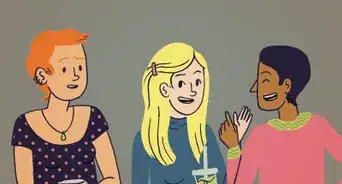
Method 5 of 9:Reach out to others who can encourage you.

Method 6
Method 6 of 9:If you can get out some, then think about what encourages you.
-
1Many people find that doing things for others helps their own problems feel smaller, or at least it gets the problems off their mind for a little while.[8]

Method 7
Method 7 of 9:Exercise.
-
1Walk outside or on your treadmill, ride a stationary bike, do yoga. You can choose the kind of class you'd feel most comfortable in, or you can practice yoga at home with music of your choice. The stretching and de-stressing techniques are excellent. Or you can jog, or belly dance, or whatever feels wonderful to your body. Just 15, 30, or 45 minutes a day will help your metabolism, which in turn helps your mood.[9]
- Take a look at what activities you've been engaging in. Are you spending the majority of your time doing things that are draining you? Do you need to give yourself more time to take a break and unwind and relax? Go do something exciting and fun to lift your spirits.[10]
Advertisement

Method 8
Method 8 of 9:Eat good food.
-
1Add fresh foods and whole grain foods; go organic on some things if you would like to.[11]

Method 9
Method 9 of 9:Play music.
-
1Whatever kind of music lifts your spirits, play that for yourself. You can keep a radio or stereo on so that you can hear it in the background wherever you are.[12]Advertisement






References
- ↑ https://psychcentral.com/blog/to-build-self-esteem-allow-yourself-to-be-proud/
- ↑ Nicole Moshfegh, PsyD. Licensed Clinical Psychologist. Expert Interview. 5 August 2021.
- ↑ http://www.thepositivepsychologypeople.com/being-your-own-best-friend/
- ↑ https://www.ncbi.nlm.nih.gov/pmc/articles/PMC4991042/
- ↑ https://www.ncbi.nlm.nih.gov/pmc/articles/PMC2863117/
- ↑ Nicole Moshfegh, PsyD. Licensed Clinical Psychologist. Expert Interview. 5 August 2021.
- ↑ https://www.psychologytoday.com/us/blog/high-octane-women/201210/emotions-are-contagious-choose-your-company-wisely
- ↑ https://www.ncbi.nlm.nih.gov/pmc/articles/PMC4985873/
- ↑ https://www.apa.org/monitor/2011/12/exercise.aspx
- ↑ Nicole Moshfegh, PsyD. Licensed Clinical Psychologist. Expert Interview. 5 August 2021.
- ↑ https://www.ncbi.nlm.nih.gov/pubmed/24630940
- ↑ https://www.ncbi.nlm.nih.gov/pmc/articles/PMC3740599/
- ↑ https://www.psychologytoday.com/us/blog/fulfillment-any-age/201507/why-we-think-about-our-exes-and-why-its-not-bad-thing
- ↑ https://healthypsych.com/psychology-tools-schedule-worry-time/
- ↑ https://www.psychologytoday.com/us/blog/functioning-flourishing/201509/can-you-map-your-talents-and-character-strengths
- ↑ https://www.psychologytoday.com/us/blog/emotional-nourishment/201711/why-random-acts-kindness-matter-your-wellbeing
About This Article