This article was co-authored by wikiHow staff writer, Janice Tieperman. Janice is a professional and creative writer who has worked at wikiHow since 2019. With both a B.A. and M.A. in English from East Stroudsburg University, she has a passion for writing a wide variety of content for anyone and everyone. In her free time, you can find her working on a new crochet pattern, listening to true crime podcasts, or tackling a new creative writing project.
There are 11 references cited in this article, which can be found at the bottom of the page.
wikiHow marks an article as reader-approved once it receives enough positive feedback. In this case, several readers have written to tell us that this article was helpful to them, earning it our reader-approved status.
This article has been viewed 273,784 times.
Learn more...
Yawns are perpetually uninvited guests, sneaking into our meetings, classes, and basic conversations when we least expect it. Not to worry! While you can’t always predict when a yawn is coming on, there are a few easy tricks, hacks, and lifestyle tips that might keep this pesky reflex at bay.
Steps
Method 1
Method 1 of 10:Inhale through your nose.
-
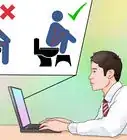
1Breathing through your nose helps cool the brain, which prevents yawning. Studies show that yawning helps cool down your brain, and prevent overheating. If you feel a yawn coming on, close your mouth and breathe through your nose instead—that may do the trick![1]Advertisement

Method 2
Method 2 of 10:Apply a cool compress to your head.

Method 3
Method 3 of 10:Eat cold snacks.
-
1Grab some refrigerated fruit or other chilled snacks. As you feel a yawn coming on, munch on a chilled snack—this might stave off the reflex for the time being.[4]
- Chilled grapes, berries, or any other refrigerated snack would work well.
Advertisement

Method 4
Method 4 of 10:Take a deep breath.
-
1Some believe that yawns boost oxygen levels in your bloodstream. Unfortunately, experts haven’t found a lot of evidence that yawns are linked to low oxygen levels. Still, deep breathing could be worth a try! If you feel a yawn coming on, inhale deeply and see if it helps stop the yawn.[5]

Method 5
Method 5 of 10:Turn down the temperature.
-
1You’re more likely to yawn when you’re in a warm environment. Studies show that yawns actually lower your brain’s temperature; so, if you’re in a warm area, you’re more likely to start yarning.[6] If possible, turn down the temperature in your living space or work area—this might stop potential yawns in their tracks.[7]
- Studies also show that factors such as sex, age, humidity, and amount of sleep don’t have much of an impact your chances of yawning.[8]
Advertisement

Method 6
Method 6 of 10:Head outside.
-
1Change up your scenery so you feel refreshed. Staying in 1 place for a long time may lead to fatigue and yawning. Give your mind some stimulation by heading outside and breathing in some fresh, invigorating air.[9]
- If you stay in 1 area for too much time, you might start to feel tired.

Method 7
Method 7 of 10:Stay hydrated.
-
1Dehydration and exhaustion go hand in hand, which leads to yawning. Drink plenty of fluids throughout the day—rehydrating might help keep the yawns at bay. Women should aim to drink 8 glasses (1.6 L) of fluid each day, while men should aim for 10 glasses (2 L).[10]
- Water, watermelon, and coconut water all great options to keep you hydrated.[11]
Advertisement

Method 8
Method 8 of 10:Get more sleep.

Method 9
Method 9 of 10:Take over-the-counter medication.
-
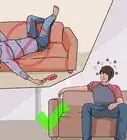
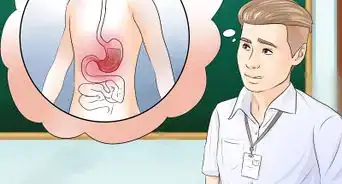
1Some people attribute their yawns to other conditions, like allergies or acid reflux. Although these remedies are not endorsed by medical experts, some found that decongestant tablets and antacids helped.[14]
- These remedies are situational and may not work for everyone.
Advertisement

Method 10
Method 10 of 10:Visit a doctor.
-
1Call your doctor if you find yourself yawning a lot. Excessive yawning could be a sign of sleep apnea, narcolepsy, insomnia, or something else. Describe your symptoms to a doctor, and see if they can help pinpoint the root of the issue.[15]

Community Q&A
-
QuestionWhat should I do to prevent yawning in class?
 Community AnswerDrink water and take deep breaths in and out (many people's yawns come from lack of oxygen).
 -
QuestionI exercise, I'm physically fit, and I sleep seven hours a night, but I'm still sleepy all the time. How can I avoid this?
 Community AnswerOften times we underestimate the amount of sleep we need. 7 hours, although recommended by the mainstream, is not always enough. I recommend 9 hours at least. Stress and boredom also can make you sleepy. Try incorporating some yoga and/or meditation into your routine in addition to increasing your sleep time if you can. If all else fails, get checked for narcolepsy.
 -
QuestionHow can I prevent yawning in class if I'm not allowed to drink in class?Community AnswerMake the yawn come out as if you're breathing. Take a deep breath, and only open your mouth a little.
-
QuestionCan't you just touch the roof of your mouth with your tongue to stop the yawn?
 Community AnswerThis doesn't provide the same stimulus as touching with your finger.
 -
QuestionWhy does yawning sound like crying for my mum?Community AnswerMaybe you are yawning too loud. When you yawn, you breathe in a lot of air. Some people yawn quieter than others. Try not to be too loud when yawning, as you may annoy others.
-
QuestionWhat if I am always yawning while studying?Community AnswerYou're yawning because you're bored. Take short breaks every hour or so. Get up, splash water on your face, do some jumping jacks, or get some fresh air, then get back to work.
-
QuestionCan yawns due to medication be stopped?Community AnswerOnly if you stop taking the medication, I would imagine.
-
QuestionHow do I stop yawning all the time?
 Community AnswerTry getting more sleep at night so you will be less tired throughout the day. If you can drink it, a cup of coffee will also help keep you alert and keep the yawns away.
 -
QuestionCan drinking lemon and water juice help reducing yawning?Community AnswerNo, that generally won't have an effect on yawning.
-
QuestionHow do I stop yawning when I only get a few hours of sleep a night?Community AnswerTry to get more sleep, so that your body will get the amount of rest that you need. Also, more sleep will prevent stress. Rearrange your schedule a little if you need to do so.








References
- ↑ https://www.bbc.com/future/article/20140811-warning-this-may-make-you-yawn
- ↑ https://www.bbc.com/future/article/20140811-warning-this-may-make-you-yawn
- ↑ https://time.com/90742/yawning-study-brain-hot/
- ↑ https://www.livescience.com/36110-yawn-contagious.html
- ↑ https://www.forbes.com/sites/brucelee/2017/09/01/yawning-is-contagious-but-can-you-prevent-it/?sh=497b94c057a6
- ↑ https://time.com/90742/yawning-study-brain-hot/
- ↑ https://www.livescience.com/36110-yawn-contagious.html
- ↑ https://time.com/90742/yawning-study-brain-hot/
- ↑ https://www.sleepadvisor.org/why-do-we-yawn/
- ↑ https://metro.co.uk/2015/05/26/how-to-stop-yawning-all-damn-day-5215808/
- ↑ https://www.epicurious.com/expert-advice/the-7-best-drinks-for-dehydration-article
- ↑ https://www.cdc.gov/features/sleep-heart-health/index.html
- ↑ https://www.heart.org/en/news/2020/06/05/the-dangers-of-sleep-deprivation
- ↑ https://patient.info/news-and-features/what-your-constant-yawning-could-mean
- ↑ https://muschealth.org/medical-services/geriatrics-and-aging/healthy-aging/yawning
About This Article

To quickly stop a yawn as it's happening, breathe in through your nose and exhale through your mouth a few times to help increase your oxygen levels. If you have a food or drinks near you, take a drink of a cool beverage or eat a chilled piece of fruit to help wake you up and stop the yawn. If you're still feeling tired, place a cold compress on your forehead to suppress yawns and wake yourself up. For advice on changing your habits to make yourself yawn less, read on!