This article was co-authored by Lynda Jean and by wikiHow staff writer, Megaera Lorenz, PhD. Lynda Jean is an Image Consultant and the Owner of Lynda Jean Image Consulting. With over 15 years of experience, Lynda specializes in color and body/style analysis, wardrobe audits, personal shopping, social and professional etiquette, and personal and business branding. She works with clients to enhance their image, self-esteem, behavior, and communication to facilitate their social and career goals. Lynda holds Bachelor degrees in Sociology and Social Work, a Master’s degree in Clinical Social Work, and a Certified Image Consultant (CIC) certification. She studied Image Consulting at the International Image Institute and the International Academy of Fashion and Technology in Toronto, Canada. Lynda has taught Image Consulting courses at George Brown College in Toronto, Canada. She is the co-author of the book, “Business Success With Ease,” where she shares her knowledge about, ‘The Power of Professional Etiquette.’
There are 11 references cited in this article, which can be found at the bottom of the page.
This article has been viewed 10,576 times.
If you dread the occasional awkward silence or worry constantly about saying the wrong thing, you’re not alone. Socializing can be tricky, and everyone has awkward moments from time to time. Luckily, with practice, you can get more comfortable and confident in your interactions with others. In this article, we’ll show you how to avoid those common pitfalls and be your most sociable self.
Steps
Method 1
Method 1 of 16:Comment on your surroundings.
-
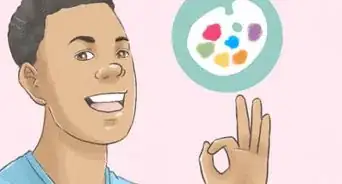
1This is a tried-and-true conversation starter. Look around and see if anything catches your interest. If so, say something about it! Even if you have nothing else in common with the person you’re chatting with, you can connect over the experience you’re sharing right now.[1]
- For instance, say something like, “I really love the colors in this painting, it’s just so soothing to look at.” Or, “Have you tasted this incredible dip?”

Method 2
Method 2 of 16:Introduce yourself.
-
1It’ll feel less awkward if you’re already chatting. Once you’ve struck up a conversation, look for an opportunity to let the other person know who you are. Just smile and say something like, “I’m Cameron, by the way! Nice to meet you.”
- Of course, if someone else has already introduced you, you can skip this step!
- This is also a good opportunity to bring up a shared connection. For example, “I think we were in Bio 101 together last semester,” or “I’m here with your cousin’s friend, Ellie.”

Method 3
Method 3 of 16:Ask an open-ended question.
-
1Questions show that you’re interested. They also put the ball in the other person’s court for a little while! To keep the flow of conversation going, ask questions that require more than a yes or no answer.[2]
- For instance, say something like, “So, how do you know Ted?” or “When did you move out to Chicago?”
- Try to think of questions that start with who, what, where, when, why, or how.[3]
- If someone else asks you a question, answer it—then turn it back around to them. For instance, if someone asks you what you’re studying, you could say, “I’m finishing up my bachelor’s in health science. How about you?”

Method 4
Method 4 of 16:Offer a sincere compliment.
-
1Most people love a good compliment. Plus, it helps take the focus off you if you’re feeling awkward and self-conscious. Make your compliment genuine and keep it specific.[4]
- For instance, say something like, “Those glasses are awesome, I love the color!” or “Your presentation today was great, I really liked how you handled that question about Marlowe’s influence on Shakespeare.”
- Avoid vague comments, like “Wow, you look nice!”
- Be careful about making any comments on someone’s body or physical appearance, since that can make people uncomfortable.

Method 5

Method 6
Method 6 of 16:Avoid sensitive conversation topics.
-
1Stay away from things like politics and religion. Unless you already know the other person shares your opinions on a controversial topic, things could get awkward fast.[7] Stick to subjects that are light and fun, or things that you already know you have in common.[8]
- In addition to avoiding anything controversial or heavy, be careful about getting too personal. For instance, try not to ask questions like, “So, are you guys planning to have kids?” or “That sounds like a cool job—how much money do you make doing that?”

Method 7
Method 7 of 16:Listen actively while others are talking.
-
1Avoid interrupting or dominating the conversation. When someone else is speaking, don’t just stand there waiting for your turn to jump in. Instead, really focus on what they’re saying. As they’re talking, make eye contact and give them clues that you’re paying attention—for instance, you could nod or say things like, “Uh huh,” “Gotcha,” or “Wow!”[9] Once they’re done, make a comment or ask a follow-up question about something they said.[10]
- Follow-up questions both show that you’re listening and help keep the conversation flowing. For instance, say something like, “Oh wow, that sounds like it must have been an amazing vacation! Do you have any plans to go back?”

Method 8
Method 8 of 16:Keep your body language open and relaxed.
-
1Stand tall, keep your head up, and smile.[11] Avoid anything that makes you look closed-off or unfriendly, like keeping your head down, frowning, or crossing your arms. Try to make eye contact with other people while they’re talking, so that they know you’re paying attention.[12]
- If you get self-conscious about what your hands are doing when you talk, it may help to hold something, like a drink or a plate of food. But remember, it’s totally normal to make a lot of hand gestures when you talk—and doing so can make you seem more open, relaxed, and honest.[13]

Method 9
Method 9 of 16:Respect people’s personal space.
-
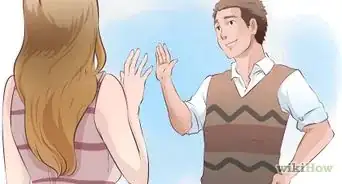
1Stand back a little, and be careful of unwanted touching. Everyone has their own personal bubble, and the amount of space people want can also vary from one culture to another. Try to follow your conversation partner’s lead to get a sense of how close they want to get. For instance, if they take a step back or lean away from you, that could be a sign that they want a little more distance.[14]
- On the other hand, if the other person is leaning in, or if they occasionally reach out to touch your arm or shoulder while you chat, it’s probably okay to move a little closer.
- In the U.S., it’s a good rule of thumb to stay about 2 feet (0.61 m) away from your conversation partner.[15]
- If you’re someplace where social distancing practices are in place, follow the guideline of staying about 6 feet (1.8 m) apart.

Method 10
Method 10 of 16:Pay attention to non-verbal cues.
-
1Focus on things like facial expressions, gestures, and tone of voice. Practice observing others as you interact. Is your conversation partner making eye contact? Are they leaning in, nodding, and smiling or looking thoughtful as you talk? If so, there’s a good chance they’re enjoying the conversation! On the other hand, if you notice that the person is fidgeting a lot, looking away, or fiddling with their phone, they might be distracted, bored, or uncomfortable.[16]
- Try not to rely on any one aspect of the person’s body language to tell you how they’re feeling. Instead, try to look at the bigger picture. For instance, if someone’s arms are crossed but they’re also smiling and leaning towards you, it could be that they’re just cold!

Method 11
Method 11 of 16:Find an excuse to gracefully end the conversation.
-
1Getting out of a chat can be as tricky as getting into one. If you’re ready to move on to something else, don’t get stuck waiting for the other person to end things. Next time there’s a natural lull in the conversation, politely excuse yourself. Say something like, “Well, I don’t want to keep you, but it’s been great chatting!” Or, you could try:[17]
- Introducing the person to someone else you know. For example, “Oh, have you met Lily? I think you two might have gone to the same high school.”
- Excusing yourself to grab food or a drink.
- Telling them that you need to step away to return an important phone call.
- Circling back to something you talked about at the beginning of the conversation. For instance, “Thanks for the tip about that new laser tag place, I will totally check it out!”

Method 12
Method 12 of 16:Team up with a friend.
-
1If possible, stay close to someone you know in social situations. Not only will you feel more comfortable, but they can help fill in awkward gaps in the conversation, introduce you to others, or even give you a convenient excuse to leave! If you’re going someplace where you won’t know anybody, invite a friend to come with you if it’s appropriate.[18]

Method 13
Method 13 of 16:Try joining a group conversation.
-
1Look for groups that seem friendly and inviting. It can be easier to join a conversation in progress than to start a new one. You don’t even necessarily have to say much—just approach the group, say hi, and listen to what people are saying.[19] If the moment seems right, you can always pipe up with a question or comment here and there.[20]
- Look for cues from the group to determine if it’s appropriate to join in. If their body language seems relaxed and open, or if you see them interacting with other onlookers in a friendly way, go for it. On the other hand, if they’re huddled closely and speaking in low voices, it may be best not to approach.

Method 14
Method 14 of 16:Practice chatting with others often.
-
1Like any other skill, socializing takes practice. Look for opportunities in your everyday life to strike up conversations with other people. Start by chatting with friends and family, then get outside your comfort zone. For example, you could make small-talk with the barista at your favorite coffee shop, compliment a stranger at the bus stop, or ask someone for advice at the grocery store.[21]
- If you’re not feeling up to starting a conversation, just making eye contact and smiling is a good place to start.
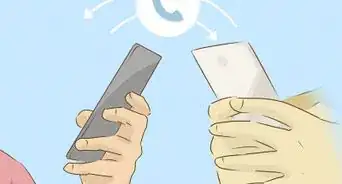
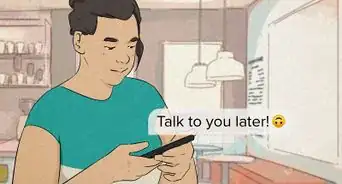
- Not all practice socializing has to be face-to-face. You can also try chatting with others online. For instance, hop on a Discord server for your favorite game and have a conversation with some fellow fans!

Method 15
Method 15 of 16:Look outward, not inward.
-
1Try not to think of socializing as a performance. Instead of focusing on yourself and what other people might be thinking about you, pay attention to those around you. Watch, listen, and respond thoughtfully to what you’re seeing and hearing. That way, you’ll feel more relaxed and able to be yourself.[22]
- Chances are, other people aren’t as focused on you as you think! They might not even notice if you do something awkward.[23]

Method 16
Method 16 of 16:Learn from your mistakes.
-
1Don’t beat yourself up if you do something awkward. It happens to everyone, and it probably seems like a much bigger deal to you than it actually is. Do your best to shrug it off and move on. Look at it as an opportunity to perfect your social skills going forward.[24]
- For instance, if you told a joke and someone got offended, just say “sorry” and leave it at that. Next time, you’ll know to avoid making that kind of joke!





-Step-8-Version-4.webp)


References
- ↑ https://www.helpguide.org/articles/relationships-communication/dealing-with-loneliness-and-shyness.htm
- ↑ https://www.nbcnews.com/better/lifestyle/how-have-better-conversations-people-you-ve-just-met-according-ncna1005941
- ↑ https://www.helpguide.org/articles/relationships-communication/dealing-with-loneliness-and-shyness.htm
- ↑ https://au.reachout.com/articles/how-to-be-less-socially-awkward
- ↑ Lynda Jean. Certified Image Consultant. Expert Interview. 17 November 2020.
- ↑ https://www.helpguide.org/articles/relationships-communication/dealing-with-loneliness-and-shyness.htm
- ↑ Lynda Jean. Certified Image Consultant. Expert Interview. 17 November 2020.
- ↑ https://www.helpguide.org/articles/relationships-communication/dealing-with-loneliness-and-shyness.htm
- ↑ Lynda Jean. Certified Image Consultant. Expert Interview. 17 November 2020.
- ↑ https://www.inc.com/jayson-demers/7-ways-to-eliminate-awkwardness-from-conversations-with-people-you-ve-just-met.html
- ↑ Lynda Jean. Certified Image Consultant. Expert Interview. 17 November 2020.
- ↑ https://au.reachout.com/articles/how-to-be-less-socially-awkward
- ↑ https://www.cnbc.com/2019/02/27/science-3-common-body-language-mistakes-that-make-you-look-like-a-liar-instantly.html
- ↑ https://www.understood.org/articles/en/how-to-teach-your-child-about-personal-space
- ↑ https://harrisburg.psu.edu/international-student-support-services/guide-american-culture-etiquette
- ↑ https://www.helpguide.org/articles/relationships-communication/nonverbal-communication.htm
- ↑ https://www.businessinsider.com/how-to-gracefully-exit-a-conversation-2014-7?amp
- ↑ https://au.reachout.com/articles/how-to-be-less-socially-awkward
- ↑ Lynda Jean. Certified Image Consultant. Expert Interview. 17 November 2020.
- ↑ https://www.helpguide.org/articles/relationships-communication/dealing-with-loneliness-and-shyness.htm
- ↑ https://www.helpguide.org/articles/relationships-communication/dealing-with-loneliness-and-shyness.htm
- ↑ https://au.reachout.com/articles/how-to-be-less-socially-awkward
- ↑ https://www.helpguide.org/articles/relationships-communication/dealing-with-loneliness-and-shyness.htm
- ↑ https://www.helpguide.org/articles/relationships-communication/dealing-with-loneliness-and-shyness.htm
- ↑ https://www.mind.org.uk/information-support/for-children-and-young-people/confidence-and-self-esteem/
About This Article