This article was co-authored by Chris M. Matsko, MD. Dr. Chris M. Matsko is a retired physician based in Pittsburgh, Pennsylvania. With over 25 years of medical research experience, Dr. Matsko was awarded the Pittsburgh Cornell University Leadership Award for Excellence. He holds a BS in Nutritional Science from Cornell University and an MD from the Temple University School of Medicine in 2007. Dr. Matsko earned a Research Writing Certification from the American Medical Writers Association (AMWA) in 2016 and a Medical Writing & Editing Certification from the University of Chicago in 2017.
This article has been viewed 304,439 times.
While it’s completely normal to sweat, when it meets the bacteria on your skin, you might notice some unpleasant body odors. Even though you can’t stop your sweat from having an odor, there are still a lot of things you can do to clean up and smell nice.[1] We’ll cover everything you can do to help stay clean and get rid of any odors you’re smelling!
Steps
Method 1
Method 1 of 16:Shower regularly.
-
1Washing daily eliminates smelly bacteria on your skin. Sweat itself does not smell; body odor is caused when bacteria on your skin breaks your sweat down into acids. While bacteria are a normal part of your body's make-up, a quick shower removes any excess bacteria and the acids they produce.
- Pay special attention to cleansing hairy areas of the body. Humans have two types of sweat glands. Eccrine glands are spread across your skin and regulate your body temperature by cooling your skin with sweat when you get hot. The sweat produced by this gland is typically less smelly. Apocrine glands, on the other hand, are concentrated in hairy areas of your body such as armpits and your genital region. The sweat from these glands contains high levels of protein. Your skin bacteria love protein, so this type of sweat quickly becomes very stinky![2]
- Use antibacterial soap on your armpits. Again, some bacteria are good — but too many can pose a problem, especially in odor-prone areas like your armpits.[3]

Method 2
Method 2 of 16:Shave your armpits.
-
1Hair traps sweat and odor. Since the smell-producing bacteria could multiply in your underarm hair, use a trimmer or razor to completely shave it off.[4]

Method 3
Method 3 of 16:Change your clothing regularly.

Method 4
Method 4 of 16:Wear clothing made from natural fibers.

Method 5
Method 5 of 16:Wear absorbent socks and shoes
-
1Switch between a few pairs so they can dry out between wearing them. Socks should be thick, soft, and made of natural fibers, or sports socks designed to absorb moisture. Shoes should be made of leather, canvas, or mesh rather than synthetic materials.
- Change your socks at least twice a day if you are prone to sweaty feet. Carry a spare pair of socks with you so you can change them whenever you need to.
- Use an antiperspirant made for feet to reduce sweating.
- Sprinkle a shoe powder in them to absorb odors after each use and thoroughly clean them on a regular basis.

Method 6
Method 6 of 16:Wear deodorant or antiperspirant.
-
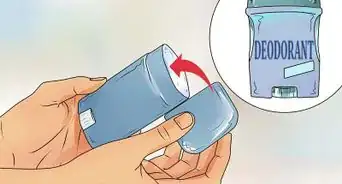
1Some products mask smells, while others eliminate the cause of sweat. Deodorant uses perfume to mask the smell of sweat without eliminating the sweat itself. Antiperspirant reduces the amount of sweat the body produces.
- The active ingredient in antiperspirant is usually aluminum chloride, which blocks your glands from producing sweat. Use a paper towel to apply it so you don't get bacteria on the roller.
- If regular antiperspirant fails to keep you from sweating, consult your doctor about special formulations containing extra aluminum chloride. These antiperspirants are usually applied overnight and washed off in the morning. They operate by using the hours you are sleeping (you sweat less while you sleep) to seep into sweat glands and block the production of sweat.[5]

Method 7
Method 7 of 16:Use perfume or body spray.
-
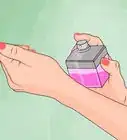
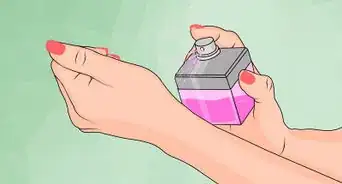
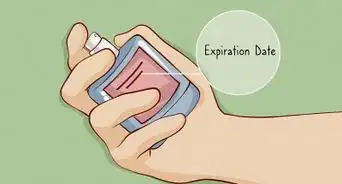
1Only spray one to two sprays total to prevent overwhelming people. While perfumes are no substitute for good hygiene, they replace problematic smells with an appealing scent.
- Experiment to find a fragrance that interacts well with your body chemistry.
- Keep your chosen perfume or body spray handy to refresh your scent during the day.
- Be aware of any regulations regarding scents in your workplace or school. Some people are very sensitive to artificial fragrances, and you may not be permitted to wear them in certain settings.
- Moisture-reactive perfume is not yet on the market, but it may prove a useful tool in the future. Scientists in Ireland have learned how to bond fragrance to ionic liquids that react to water — including the water in sweat. The more someone wearing such a substance sweats, the stronger the scent becomes.[6]

Method 8
Method 8 of 16:Maintain a healthy weight.
-
1Extra weight raises your body temperature and makes you sweat more. Your body has to work harder when you’re carrying excess weight. Skin folds caused by excess weight can also harbor bacteria, so pay special attention to these areas when bathing. [7]

Method 9
Method 9 of 16:Avoid spicy foods and alcohol.
-
1These foods can make you sweat even more. You sweat more when you consume these items, and as previously mentioned, sweat interacts with the bacteria on your skin to produce body odor. Cutting back or eliminating these things from your diet will help you manage sweat volume, therefore keeping you smelling nice.

Method 10
Method 10 of 16:Use armpit shields to protect your clothing.
-
1Shields absorb your sweat so your clothes won’t absorb odors. While this tactic will not change your sweat volume, by protecting your clothing you'll be able to wear shirts and sweaters longer before they become smelly. Shields are generally made from absorbent material that will keep sweat from clinging to your skin and becoming smelly. You will also minimize the appearance of your sweat.[8]

Method 11
Method 11 of 16:Maintain a positive mental outlook.
-
1Your body odor smells a little better if you stay positive. A recent scientific study indicated that the "chemosignals," or body odor, of people in a happy mental state tended to induce a happy reaction in others exposed to their odor. In other words, if you're a happy person, the message you send to others spreads that happiness — even your body scent smells happy![9]

Method 12
Method 12 of 16:Determine if your sweat smells fruity or bleach-like.
-
1Odd-smelling sweat might be a sign of an underlying disease. Fruity-smelling sweat can be a symptom of diabetes, while bleachy-smelling sweat is one symptom of liver or kidney disease. Contact your doctor if you are concerned your sweat is a symptom of a significant medical problem.[10]

Method 13
Method 13 of 16:Consult your doctor if you believe you have hyperhidrosis.

Method 14
Method 14 of 16:Ask your doctor about botox.

Method 15
Method 15 of 16:Consider therapeutic plastic surgery.
-
1Your doctor could remove the sweat glands causing problems. Only consider plastic surgery if you have overwhelming concerns about your body odor. Try the methods outlined above before taking such a significant step, but if your concerns are seriously compromising your quality of life, surgical options exist.
- Removing a small area of skin from a patient's armpit and the tissue just below the armpit will often eliminate the most troublesome apocrine sweat glands.
- Sweat glands can sometimes be drawn out from deeper skin layers using liposuction.

Method 16
Method 16 of 16:Try ETS surgery as a last-ditch measure.
-
1This surgery destroys the nerves that control sweating. An endoscopic thoracic sympathectomy, or ETS, uses keyhole surgery to access the nerves that control sweating in a problem area. Talk to your doctor to see if it’s a good option for you.[11]

Expert Q&A
-
QuestionWhat can I do about my sweaty hands when I must shake hands or hold someone's hand?
 Chris M. Matsko, MDDr. Chris M. Matsko is a retired physician based in Pittsburgh, Pennsylvania. With over 25 years of medical research experience, Dr. Matsko was awarded the Pittsburgh Cornell University Leadership Award for Excellence. He holds a BS in Nutritional Science from Cornell University and an MD from the Temple University School of Medicine in 2007. Dr. Matsko earned a Research Writing Certification from the American Medical Writers Association (AMWA) in 2016 and a Medical Writing & Editing Certification from the University of Chicago in 2017.
Family Medicine PhysicianYou might want to talk to your doctor about sweaty hands. If you get them when you are in stressful situations that is natural; however, if you get them regularly you might need to get treatment. Check out this wikiHow article, How to Know if You Have Hyperhidrosis. -
QuestionMy sweat smells really bad. What should I do?Chris M. Matsko, MDDr. Chris M. Matsko is a retired physician based in Pittsburgh, Pennsylvania. With over 25 years of medical research experience, Dr. Matsko was awarded the Pittsburgh Cornell University Leadership Award for Excellence. He holds a BS in Nutritional Science from Cornell University and an MD from the Temple University School of Medicine in 2007. Dr. Matsko earned a Research Writing Certification from the American Medical Writers Association (AMWA) in 2016 and a Medical Writing & Editing Certification from the University of Chicago in 2017.
Family Medicine PhysicianMedical methods of treatment for sweaty armpits include the following: anticholinergics, iontophoresis, botox injections, and surgical sympathectomy. You need to see a doctor in order to have your situation resolved.




References
- ↑ http://www.nhs.uk/Livewell/embarrassingconditions/Pages/excessive-sweating.aspx
- ↑ http://www.nhs.uk/Conditions/Body-odour/Pages/Introduction.aspx
- ↑ http://www.nhs.uk/Conditions/Body-odour/Pages/Treatment.aspx
- ↑ http://www.nhs.uk/conditions/Body-odour/Pages/Introduction.aspx
- ↑ http://www.nhs.uk/Conditions/Body-odour/Pages/Treatment.aspx
- ↑ http://www.bbc.com/news/science-environment-32151680
- ↑ http://www.nhs.uk/conditions/Body-odour/Pages/Introduction.aspx
- ↑ http://www.nhs.uk/Livewell/embarrassingconditions/Pages/excessive-sweating.aspx
- ↑ http://pss.sagepub.com/content/26/6/684
About This Article

If you’re worried about smelling nice because you sweat a lot during the day, start by showering daily to eliminate odor-causing bacteria on your skin. When you shower, pay special attention to the hairy areas of your body, and consider shaving your armpits, since hair traps sweat and odor. Additionally, wear clothing and socks made from natural fibers like cotton and change them at least once a day, or more if you do something physical. You can also try using an antiperspirant to reduce sweat and follow up with a perfume or body spray. For more advice, like how to tell if your sweating is the result of a medical condition, keep reading!