This article was co-authored by wikiHow staff writer, Janice Tieperman. Janice is a professional and creative writer who has worked at wikiHow since 2019. With both a B.A. and M.A. in English from East Stroudsburg University, she has a passion for writing a wide variety of content for anyone and everyone. In her free time, you can find her working on a new crochet pattern, listening to true crime podcasts, or tackling a new creative writing project.
There are 10 references cited in this article, which can be found at the bottom of the page.
This article has been viewed 1,853 times.
Learn more...
If a recent loss has taken a toll on your sleep schedule, you’re definitely not alone. As you grieve, simple tasks like sleeping can feel incredibly challenging. Don’t worry. We’ve put together some simple tips and tricks you can add to your daily routine, which may make it a little easier to get a good night’s rest as you grieve and heal.
Steps
Method 1
Method 1 of 12:Journal your thoughts.
-
1Jot down any upsetting or overwhelming thoughts. As you grieve, it’s completely normal to lie awake at night with racing thoughts. Don’t push these thoughts and feelings away; instead, turn a notebook into your “grief journal,” where you can write down everything that’s on your mind.[1]
- You might write down a memory you can’t stop thinking about or record all your thoughts and feelings.
Advertisement

Method 2
Method 2 of 12:Get some exercise.
-
1Exercise can help wear you out. During this difficult time, post-workout exhaustion might help you get a good night’s sleep. Exercise also creates endorphins, which may help you feel a little better.[2]
- Endorphins are chemicals that can boost your mood and well-being overall.
- Simple activities like hiking, going up stairs, or playing a game of Frisbee are great ways to get exercise.[3]

Method 3
Method 3 of 12:Create a sleep sanctuary.
-
1Make your bedroom as cozy and relaxing as possible. A comfortable sleeping space can help you catch up on your zzzs. Pick out soft, snuggly bedding and pillows, and check that your mattress is comfortable. Set the temperature in your room between 60 and 68 °F (16 and 20 °C), and turn on a white noise machine if the sound helps you relax. Transforming your space into a sleep sanctuary where you can completely unwind will help you achieve a good night’s sleep.[4]
- Sleeping with a body pillow might be especially comforting if you recently lost a partner.
Advertisement

Method 4
Method 4 of 12:Wind down before bed.
-
1A relaxing routine can help you cope with unsettling, racing thoughts. Try to calm your mind ahead of time by doing a few soothing, relaxing activities before you go to bed, such as taking a hot bath or reading a good book.[5]
- Deep breathing, yoga, and meditation are also great ways to relax and unwind.[6]

Method 5
Method 5 of 12:Turn off your electronics before bed.
-
1Electronics give off blue light, which makes it hard to sleep. Instead, try stepping away from your TV, computer, phone, or any other electronic device around your home before heading to bed. Limiting your devices might make it a bit easier to fall asleep while you’re grieving.[7]
- Try using an alarm clock that doesn’t have any blue light, too.
Advertisement

Method 6
Method 6 of 12:Follow a sleep schedule.
-
1Try to get a consistent amount of sleep each night. As you grieve, it can be really hard to get a good night’s sleep.[8] Try to set a regular bedtime for yourself, as well as routine wake-up time, so you can get a full night’s rest.[9] Experts agree that adults should get between 7-9 hours of sleep each night.[10]

Method 7
Method 7 of 12:Cut back on naps.
-
1Naps make it hard to follow a consistent sleep schedule. When you take a nap, your normal sleep schedule gets thrown out of whack. If you start to feel drowsy, try staying awake until some point in the evening.[11]
- Naps are a normal part of the grieving process, especially in the beginning. However, you should definitely cut back if you’re having trouble falling asleep at night.
Advertisement

Method 8
Method 8 of 12:Avoid caffeine late in the day.
-
1Caffeine keeps you alert and can take a toll on your sleep. It can add an extra challenge to your sleep routine, especially if you’re grieving. Try to cut off your caffeine at least 3 hours before you plan on going to bed. This way, it’ll be easier to get some rest.[12]
- Some research suggests that you shouldn’t drink caffeine within 6 hours before bed.

Method 9
Method 9 of 12:Reduce your drinking before bed.
-
1Alcohol is relaxing, but it doesn’t help you stay asleep. Believe it or not, alcohol stifles melatonin, a natural hormone that helps you sleep.[13] You might also feel uncomfortable later on as your liver processes the alcohol.[14] Instead, sip on a cup of hot tea made with chamomile, spearmint, and/or other relaxing ingredients.[15]
- Unfortunately, even less than 1-2 servings of alcohol can lower your overall sleep quality by almost 10%.[16]
Advertisement

Method 10
Method 10 of 12:Try natural supplements and teas.
-
1Natural remedies can help you relax and fall asleep. Brew yourself a cup of chamomile or spearmint tea, which are known to be relaxing. Melatonin supplements are another natural way to help you catch some zzzs.[17]
- Always talk to your doctor before taking a new supplement.
- Lavender sleep sachets may also help you relax and unwind.

Method 11
Method 11 of 12:Schedule a massage.
-
1A massage can help reset your body. Massage, acupuncture, reiki, and yoga therapy are all great ways to relax, unwind, and recenter yourself. These treatments can be a great option if you have some trouble relaxing on your own. Before heading to the appointment, ask a friend or loved one if they can drop you off and pick you up, so you can totally unwind.[18]Advertisement

Method 12
Method 12 of 12:Talk to a therapist.
-
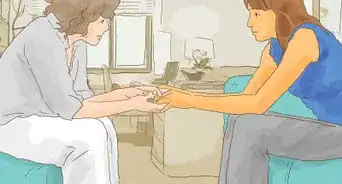
1Therapy is a healthy way to change your thought cycles. As you grieve, you might feel trapped or caught in a wave of anxious thoughts. If you can, schedule an appointment with a therapist—they can help you pinpoint your negative thoughts, and teach you how to think more healthily.[19]
- If you can’t afford therapy, support groups can also be a great solace.[20]



-Step-20.webp)










References
- ↑ https://www.taps.org/articles/25-2/grief-and-sleep
- ↑ https://powerfulpatients.org/2019/02/12/how-grieving-impacts-sleep/
- ↑ https://www.health.qld.gov.au/news-events/news/30-ways-to-get-active-exercise-fun
- ↑ https://www.funeralbasics.org/sleeping-tips-grieving/
- ↑ https://powerfulpatients.org/2019/02/12/how-grieving-impacts-sleep/
- ↑ https://www.sleep.org/sleep-better-when-stressed/
- ↑ https://www.taps.org/articles/25-2/grief-and-sleep
- ↑ https://powerfulpatients.org/2019/02/12/how-grieving-impacts-sleep/
- ↑ https://health.clevelandclinic.org/grief-whats-normal-whats-not-and-13-tips-to-get-through-it/
- ↑ https://www.helpguide.org/articles/sleep/sleep-needs-get-the-sleep-you-need.htm
- ↑ https://www.funeralbasics.org/sleeping-tips-grieving/
- ↑ https://www.funeralbasics.org/sleeping-tips-grieving/
- ↑ https://www.funeralbasics.org/sleeping-tips-grieving/
- ↑ https://www.sleepfoundation.org/nutrition/alcohol-and-sleep
- ↑ https://www.psychologytoday.com/us/blog/animal-attachment/201702/exhausted-grief-cant-sleep-after-the-death-pet
- ↑ https://www.sleepfoundation.org/nutrition/alcohol-and-sleep
- ↑ https://www.psychologytoday.com/us/blog/animal-attachment/201702/exhausted-grief-cant-sleep-after-the-death-pet
- ↑ https://www.taps.org/articles/25-2/grief-and-sleep
- ↑ https://powerfulpatients.org/2019/02/12/how-grieving-impacts-sleep/
- ↑ https://psychcentral.com/blog/what-to-do-when-you-cant-afford-therapy
- ↑ https://powerfulpatients.org/2019/02/12/how-grieving-impacts-sleep/
- ↑ https://www.funeralbasics.org/sleeping-tips-grieving/
About This Article

Medical Disclaimer
The content of this article is not intended to be a substitute for professional medical advice, examination, diagnosis, or treatment. You should always contact your doctor or other qualified healthcare professional before starting, changing, or stopping any kind of health treatment.


-Step-20.webp)