This article was co-authored by Marc Kayem, MD. Dr. Marc Kayem is a board certified Otolaryngologist and Facial Plastic Surgeon based in Beverly Hills, California. He practices and specializes in cosmetic services and sleep-related disorders. He received his Doctorate in Medicine from the University of Ottawa, is board certified by the American Board of Otolaryngology, and is a Fellow of the Royal College of Surgeons of Canada.
There are 9 references cited in this article, which can be found at the bottom of the page.
This article has been viewed 4,314 times.
Whether you have chronic pain or pain from a recent injury, we know it can be hard to get a good night’s sleep! Not only that, but poor sleep can even make the pain worse the following day. We really want to help you sleep better when you’re in pain, so you feel more well-rested and can manage your condition better. So, we’ve put together this list of tips and tricks for you to try.
Steps
Method 1
Method 1 of 15:Ice painful areas before bed.
-
1This reduces inflammation and relieves pain. Place a cloth or towel over the area that’s hurting. Press an ice pack gently against the area for 10-20 minutes before you lie down and try to fall asleep.[1]
- Don’t put ice or a chemical ice pack directly on your skin. This deprives the tissues of oxygen and can cause skin damage.

Method 2
Method 2 of 15:Sleep in a dark, quiet room.
-
1Bright lights and noises make it difficult to fall asleep, even without pain. Turn off all the lights in your bedroom when you go to sleep. Turn off and silence any electronics as well to make your room nice and peaceful.[2]
- Don’t watch TV or use your phone or laptop in bed, as this just makes it harder to fall asleep.
- Stop using all electronics at least 30 minutes before you go to bed.

Method 3
Method 3 of 15:Try relaxing distraction exercises in bed.
-
1These can help take your mind off the pain and make you sleepy. Try breathing exercises or meditation, for example. Or, just imagine yourself in a calm, peaceful location and try to picture all the scenery around you.[3]
- You can find guided relaxation exercises online or use an app to help you get started.
- Give yourself time to relax before bed, as well. For instance, you might watch TV or read a book to let go of the stress of the day.[4]

Method 4
Method 4 of 15:Take a sleep aid.
-
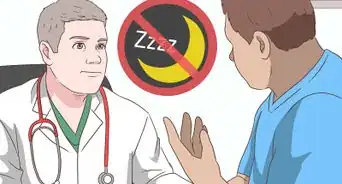
1This can help you fall asleep and stay asleep throughout the night. Ask your doctor to recommend a sleep aid that doesn’t interfere with your pain treatment plan. Take the recommended dose before you go to bed to help you get a good night’s rest and wake up feeling less pain.[5]
- Don’t self-medicate without talking to a doctor first. This is especially important if you’re taking a pain medication, as some medications interfere with one another.

Method 5
Method 5 of 15:Take pain medication right before bed.
-
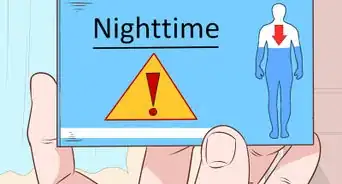
1This can relieve the nighttime pain and make it easier to sleep. Whether you’re taking OTC or prescription painkillers to manage your pain, save a dose for bedtime. Take the recommended or prescribed dose about 20-30 minutes before you want to fall asleep.[6]
- If you’re taking a prescription pain medication, be very cautious and don’t take more than the prescribed amount. You don’t want to end up addicted to opiates or any other type of medication.

Method 6
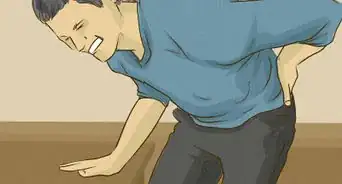
Method 6 of 15:Sleep on your back if you have lower back pain.
-
1This may alleviate the pain while you sleep for a better night’s rest. Lie flat on your back when you sleep to see if it works for you. If not, experiment with other positions like sleeping on your side.[7]

Method 7
Method 7 of 15:Sleep on your side if you have neck pain.
-
1This tends to be the most comfortable position if your neck is sore. Sleeping on your back may place more strain on your neck and make the pain worse. Lie on whichever side is most comfortable while you try to fall asleep.[8]
- Feel free to experiment with positions to see what works best for you.
- Never sleep on your stomach if you have neck pain. This position is really hard on your spine.

Method 8
Method 8 of 15:Sleep with a pet if you have one.
-
1Sleeping with a dog or cat can help reduce pain-related anxiety. Let your furry friend crawl into bed and cuddle up with you to relax and distract yourself from the pain. Pet your dog or cat or just enjoy their company and love while you drift off.[9]
- The company of an animal can really help with the feelings of loneliness and lack of social activities if you’re dealing with a chronic pain condition.
- If your pet doesn't jump into bed with you on their own, try placing their pet bed there or just put it on the floor near the side of your bed so they at least sleep close to you.

Method 9
Method 9 of 15:Get up and read if you wake up in the night.
-
1This can help you get back to sleep if the pain wakes you up. Get out of bed and go to a quiet room with low lighting. Read any good book you enjoy reading until you start to feel sleepy again, then go back to bed and lie down. [10]
- Avoid turning on the TV or using other electronics if you wake up in the night. These can make it even harder to fall back asleep.

Method 10
Method 10 of 15:Stick to a regular sleep schedule.
-
1This helps set your internal sleep clock so you’re tired at night. Go to bed at the same time every night and get up at the same time every morning. Avoid taking naps during the day so you’re tired when your scheduled bedtime rolls around.[11]
- If you have trouble getting up when your alarm goes off and tend to hit the snooze button, try setting multiple alarms or moving your alarm to some place where you have to get out of bed to turn it off.

Method 11
Method 11 of 15:Do yoga every day.
-
1Yoga may help relieve chronic pain and improve your sleep. Start by taking some yoga classes from a licensed instructor. Once you learn some moves that help your specific condition, practice them at home on your own.[12]
- Yoga can be especially helpful for chronic back pain.
- If you notice your pain gets worse in a specific yoga pose, make sure to let your instructor know so they can recommend an alternative or correct your positioning.
- Practicing yoga sometime in the evening can be especially helpful. If you can't do it in the evening before bed, just try to fit it in somewhere in your day.

Method 12
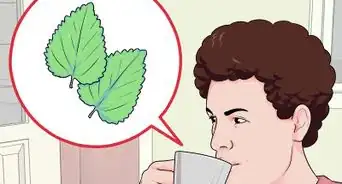
Method 12 of 15:Eat foods in the evening that help you sleep.
-
1Certain types of food may help promote sleep. Try eating carbs with a high glycemic index like rice, fruits, and whole foods like milk and fatty fish as part of your evening meals. Other examples of foods that may help you sleep include chicken, turkey, cheese, and nuts and seeds.[13]
- Many whole foods contain a protein called tryptophan, which aids in the production of the sleep-producing hormone: serotonin.
- Avoid stimulants like caffeine and alcohol in the evenings, which can make it harder to fall asleep.

Method 13
Method 13 of 15:Go for a short walk in the evening.
-
1Walking can help relieve pain and improve your sleep. Go for a walk around the block or through a nearby park in the evening to stretch and strengthen your muscles. This also raises your body temperature temporarily and when it drops back down again triggers your natural sleep cycle.[14]
- This can be especially helpful if you spend long hours sitting at a desk at work or just tend to get minimal exercise in general.

Method 14
Method 14 of 15:Use a neck-conforming pillow if you have neck pain.
-
1This places the least strain on your neck, so you sleep more comfortably. Choose a feather pillow or a memory foam pillow that easily conforms to the shape of your neck when you sleep on your back or side. Avoid really high and stiff pillows, which can exacerbate your neck pain the next day.[15]
- If you prefer to sleep on your back, you can try a U-shaped neck pillow to provide more support for your neck in this position.

Method 15
Method 15 of 15:Replace old mattresses and pillows.
-
1New mattresses and pillows provide more support to reduce pain. Replace soft pillows that break down over time every year or so. Get a new, more supportive mattress if yours is older than 6 years old.[16]
- Memory foam mattresses and pillows are a good choice if you have neck, shoulder, and back pain.

Community Q&A
-
QuestionHow do you ignore pain when trying to sleep?
 Marc Kayem, MDDr. Marc Kayem is a board certified Otolaryngologist and Facial Plastic Surgeon based in Beverly Hills, California. He practices and specializes in cosmetic services and sleep-related disorders. He received his Doctorate in Medicine from the University of Ottawa, is board certified by the American Board of Otolaryngology, and is a Fellow of the Royal College of Surgeons of Canada.
Sleep SpecialistTry to relax yourself when you lay down for bed. You might read a book, meditate, or do another stress reliever. This may help you feel calm so your mind isn't focused on your pain.





References
- ↑ https://myhealth.alberta.ca/Health/aftercareinformation/pages/conditions.aspx?hwid=ut1825
- ↑ https://myhealth.alberta.ca/Health/aftercareinformation/pages/conditions.aspx?hwid=ut1825
- ↑ https://www.health.harvard.edu/pain/how-to-sleep-well-despite-chronic-pain
- ↑ Marc Kayem, MD. Sleep Specialist. Expert Interview. 24 October, 2019.
- ↑ https://www.sleepfoundation.org/physical-health/fibromyalgia-and-sleep
- ↑ https://www.health.harvard.edu/pain/how-to-sleep-well-despite-chronic-pain
- ↑ https://www.hopkinsmedicine.org/health/wellness-and-prevention/choosing-the-best-sleep-position
- ↑ https://www.hopkinsmedicine.org/health/wellness-and-prevention/choosing-the-best-sleep-position
- ↑ https://www.ualberta.ca/folio/2018/10/letting-your-dog-sleep-with-you-is-good-for-chronic-pain-sufferers-new-study-shows.html
- ↑ https://www.health.harvard.edu/pain/how-to-sleep-well-despite-chronic-pain
- ↑ https://www.nhs.uk/live-well/healthy-body/10-ways-to-ease-pain/
- ↑ https://www.spine-health.com/blog/5-little-known-tips-sleeping-chronic-pain
- ↑ https://www.spine-health.com/blog/5-little-known-tips-sleeping-chronic-pain
- ↑ https://www.spine-health.com/blog/5-little-known-tips-sleeping-chronic-pain
- ↑ https://www.health.harvard.edu/pain/say-good-night-to-neck-pain
- ↑ https://www.hopkinsmedicine.org/health/wellness-and-prevention/choosing-the-best-sleep-position
About This Article

Medical Disclaimer
The content of this article is not intended to be a substitute for professional medical advice, examination, diagnosis, or treatment. You should always contact your doctor or other qualified healthcare professional before starting, changing, or stopping any kind of health treatment.