This article was co-authored by Alex Dimitriu, MD and by wikiHow staff writer, Janice Tieperman. Alex Dimitriu, MD is the Owner of Menlo Park Psychiatry and Sleep Medicine, a clinic based in the San Francisco Bay Area with expertise in psychiatry, sleep, and transformational therapy. Alex earned his Doctor of Medicine from Stony Brook University in 2005 and graduated from the Stanford University School of Medicine's Sleep Medicine Residency Program in 2010. Professionally, Alex has dual board certification in psychiatry and sleep medicine.
There are 13 references cited in this article, which can be found at the bottom of the page.
This article has been viewed 12,235 times.
You’ve gotten into your PJs, turned out the lights, and are all ready for bed—but your stomach has different plans. General discomfort, acid reflux, and heartburn can be a frustrating obstacle after you’ve eaten a big dinner or late-night snack. Don’t worry! With a few tips, tricks, and precautions, you can have a better shot at catching some zzzs.
Steps
Method 1
Method 1 of 10:Sleep on your left side.
-
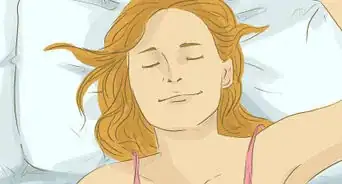
1You’re less likely to have gastroesophageal reflux (GER) if you sleep on your left side. In a study, participants reclined on both their right and left sides. After reclining, individuals noticed that they had fewer GER issues when they were on their left side.[1]
- Research shows that sleeping on your right side makes heartburn worse.[2]
Advertisement

Method 2
Method 2 of 10:Lift up the head of your bed.

Method 3
Method 3 of 10:Treat an upset stomach with ginger.
-
1Ginger helps ease an upset stomach. Chew on some freshly grated ginger, or sip on a cup of ginger tea.[5] Studies show that ginger root can help get rid of nausea and vomiting—plus, it has anti-inflammatory and antiulcer benefits.[6]
- Ginger chews, ginger candy, or ginger ale are also great options.
Advertisement

Method 4
Method 4 of 10:Go for a walk before bed.
-
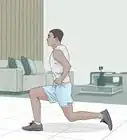
1Light exercise helps you feel a little more comfortable. You don’t have to do a full workout—a short, slow walk around your home might ease some discomfort as your food digests. A light round of stretching might also help you feel better.[7]

Method 5
Method 5 of 10:Slip into loose, comfortable pajamas.
-
1Don’t wear tight shirts or tops to bed. Tight clothing can put pressure against your stomach, which can lead to heartburn. Instead, pick out a loose pair of nightclothes that won’t constrict you in any way.[10]Advertisement

Method 6
Method 6 of 10:Optimize your sleeping area.
-
1Make your bedroom as dark and comfortable as possible.[11] Close all your curtains or blinds, so no light can peek through the windows.[12] Then, adjust the thermostat somewhere between 54 and 74 °F (12 and 23 °C), so you can sleep comfortably.[13]
- According to expert research, making your bed each day can improve your sleep.

Method 7
Method 7 of 10:Take antacids.
-
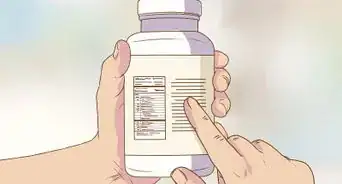
1Antacids are a quick solution for heartburn. Take this over-the-counter medication as needed if you’re having a lot of trouble getting to sleep. However, don’t take it every night—too many magnesium-based antacids can lead to diarrhea, while too many aluminum- or calcium-based antacids may leave you constipated.[14]
- Double-check the label to see what kind of antacid you have.
Advertisement

Method 8
Method 8 of 10:Don’t drink alcohol or caffeinated drinks close to bedtime.

Method 9
Method 9 of 10:Space out your meals and bedtime by 3 hours.
-
1Your body needs time to digest after a meal or snack. When you go to sleep, your body automatically slows down digestion, which can lead to some discomfort if you just ate a big meal or snack. Instead, try to wait at least 3 hours before heading to bed—this will make it a lot easier for you to fall asleep.[17]
- It can be tempting to take a nap right after enjoying a big meal or snack. Try to resist this urge—your GI tract will thank you for it![18]
Advertisement

Method 10
Method 10 of 10:Quit smoking.
-
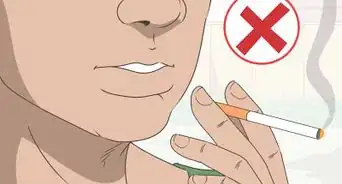
1Nicotine can lead to heartburn. Nicotine, a substantial ingredient in tobacco, causes the valve in between your stomach and esophagus to relax, which can lead to a bad case of heartburn. If you use tobacco products a lot, think about cutting back or quitting altogether.[19]
- Support groups and counseling are great resources if you’re trying to quit smoking.






References
- ↑ https://pubmed.ncbi.nlm.nih.gov/11051341/
- ↑ https://www.nytimes.com/2010/10/26/health/26really.html
- ↑ https://www.sleepfoundation.org/physical-health/sleep-and-overeating
- ↑ https://www.niddk.nih.gov/health-information/digestive-diseases/acid-reflux-ger-gerd-adults/treatment
- ↑ https://www.osfhealthcare.org/blog/i-ate-too-much-now-what/
- ↑ https://health.clevelandclinic.org/ginger-ale-and-saltine-crackers-5-ways-to-ease-stomach-pain-and-nausea/
- ↑ https://www.sleepfoundation.org/physical-health/sleep-and-overeating
- ↑ https://www.mayoclinic.org/healthy-lifestyle/fitness/multimedia/stretching/sls-20076840?s=8
- ↑ https://www.mayoclinic.org/healthy-lifestyle/fitness/multimedia/stretching/sls-20076840?s=10
- ↑ https://www.uofmhealth.org/health-library/ut1339
- ↑ https://www.sleepfoundation.org/physical-health/sleep-and-overeating
- ↑ Alex Dimitriu, MD. Sleep Specialist. Expert Interview. 16 October 2019.
- ↑ https://www.hopkinsmedicine.org/health/wellness-and-prevention/your-bedroom-for-better-sleep
- ↑ https://newsnetwork.mayoclinic.org/discussion/home-remedies-manage-discomfort-of-heartburn/
- ↑ https://www.sleepfoundation.org/physical-health/sleep-and-overeating
- ↑ https://www.mayoclinic.org/diseases-conditions/insomnia/expert-answers/foods-that-help-you-sleep/faq-20057763
- ↑ https://www.sleepfoundation.org/physical-health/sleep-and-overeating
- ↑ https://www.osfhealthcare.org/blog/i-ate-too-much-now-what/
- ↑ https://www.uofmhealth.org/health-library/ut1339
- ↑ https://www.uofmhealth.org/health-library/ut1339
About This Article

Medical Disclaimer
The content of this article is not intended to be a substitute for professional medical advice, examination, diagnosis, or treatment. You should always contact your doctor or other qualified healthcare professional before starting, changing, or stopping any kind of health treatment.