This article was co-authored by wikiHow staff writer, Madeleine Criglow. Madeleine Criglow is a wikiHow Staff writer based in the Pacific Northwest. She has over six years of experience working in copywriting, editing, and journalism. In addition to her work for wikiHow, she writes a monthly film column for Tigard Life and Tualatin Life newspaper. Madeleine graduated from the University of Puget Sound with a BA in English with an emphasis in Creative Writing.
This article has been viewed 7,594 times.
Learn more...
If you've been struggling with work stress or things in your personal life, know that you're not alone. Many people need to take a break every now and then to focus on their mental health, destress, and come back to their responsibilities feeling recharged. Here are some key signs that you could benefit from taking some time to rest.
Steps
Method 1
Method 1 of 11:No motivation
-
1A break may be in order if you're struggling to care about your work. Perhaps you are usually a very passionate employee, but lately, you can't muster the drive to finish your assignments. It's also possible that you no longer have an interest in signing on to more projects, collaborating with your coworkers, or speaking up in meetings.[1]
- Taking a break from work can help you return with a newfound sense of energy and investment in your responsibilities.
Advertisement

Method 2
Method 2 of 11:Trouble staying organized
-
1Notice if you've been losing things or leaving messes at your desk. This can also manifest in forgetting routine appointments, missing deadlines, and a general sense of forgetfulness. Taking a mental health break can help you return to your responsibilities with a clear head, which can really aid your organizational skills.[2]
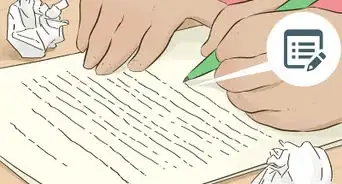
- Use your mental health break to rest and clear your head. Alternatively, take a break to get things in order again. Reschedule appointments you missed, write a to-do list, and mark important dates in your calendar.[3]

Method 3
Method 3 of 11:Difficulty focusing
-
1No matter how hard you try, you keep getting distracted. This could result in taking a long time to complete simple tasks or missing errors in your work that you normally would spot. Both indicate that you're in need of some time away to rest for the sake of your mental well being.[4]
- Taking a break helps relax your mind or gives you some time to deal with what's been distracting you. That way, you can come back with a newfound ability to concentrate.
Advertisement

Method 4
Method 4 of 11:Negative thinking
-
1Stress or burnout can make you see things more pessimistically. Notice if your outlook has been particularly glum lately. Other signs include negative self-talk and withdrawing from friends and family because you no longer trust them or enjoy their company.[5]
- In addition to taking a break, try replacing negative thoughts with positive ones. If you catch yourself thinking, "I'm terrible at this" or "Nothing I do is good enough," replace those thoughts.
- Think something like, "I always try my best" or "Everyone makes mistakes."

Method 5
Method 5 of 11:Being easily irritated
-
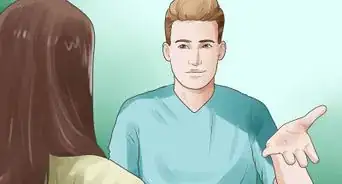
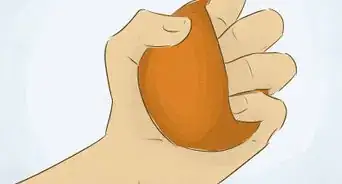
1You might need time off if every little thing sets you off. Work frustrations can get to anyone sometimes, but reflect on if you've been frequently upset lately. Signs include resenting your colleagues, snapping at your partner or family at home, or simply struggling to be as kind as you usually are. These all point to being under an unmanageable amount of stress.[6]
- Try not to beat yourself up about being snippy with your colleagues or family. Instead, practice self-compassion, take care of yourself and give yourself a break.
Advertisement

Method 6
Method 6 of 11:Increased anxiety
-
1You might be preoccupied with constant worries or fears. Take stock of how much your anxiety has been affecting your work. Perhaps you're unable to finish tasks due to how stressed you are about your workload. It's also possible that when you get home, you can't turn off your worries about work and enjoy yourself. These are both indicators that you need some rest for the sake of your mental health.[7]
- You might be afraid to take a break if you have a lot of work, but it's actually helpful for your productivity in the long run.

Method 7
Method 7 of 11:Trouble managing your emotions
-
1Have you been struggling to keep from crying at work or school? Everyone struggles with this sometimes, but if this happens frequently you may be in need of a break. Work or school can amplify the emotions you're already feeling. A mental health day can help you get a clear picture of your emotions and what you need to feel better.[8]
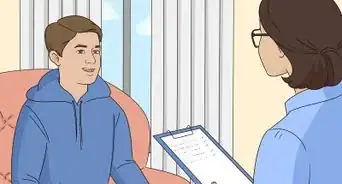
- Consider using a mental health day to schedule an appointment with a therapist or counselor. This can help you get a better understanding of what you're feeling and how to cope in a healthy way.
Advertisement

Method 8
Method 8 of 11:Feeling tired all of the time
-
1Even after a full night's sleep, you're still exhausted. If no amount of sleep helps you feel better, this may mean that you are in need of more than just a good night's rest. Take a mental health break from school or work in order to give yourself the rest that you need.[9]
- Use your rest day to reflect on what could be causing you to be so exhausted. See if there are any changes you could make, such as delegating tasks at work or taking an extracurricular activity off of your schedule.

Method 9
Method 9 of 11:Difficulty sleeping at night
-
1No matter how tired you are, you can't get to bed. This could look like frequently struggling to fall asleep at night a few times a week. It could also manifest as insomnia, where the inability to fall asleep is a daily occurrence. A mental health break can help you relax and get your sleep schedule back on track.[10]Advertisement

Method 10
Method 10 of 11:Getting sick a lot
-
1Emotional stress can have a direct impact on your physical health. Stress lowers your immune system, making you more vulnerable to getting sick. If you're frequently coming down with colds and having to call out, it may be time to take a rest break to destress.[11]

Method 11
Method 11 of 11:Using alcohol or drugs to cope
-
1Note if you've been drinking or using substances to feel better. Though these may provide temporary relief, they can have a negative impact on your mental health. If you've been coping with your emotions or feelings of stress by using substances, that's an indicator you may need to take some time to focus on your mental health.[12]
- Though it may make you feel better in the short term, alcohol can worsen how you're feeling in the long run. As a depressant, alcohol can exacerbate the low mood you're already experiencing.
- Other recreational substances can have a similar effect.
Advertisement





References
- ↑ https://www.helpguide.org/articles/stress/burnout-prevention-and-recovery.htm
- ↑ https://www.mic.com/p/7-signs-you-need-a-mental-health-day-off-work-how-to-ask-for-one-17937756
- ↑ https://www.psychologytoday.com/us/blog/what-mentally-strong-people-dont-do/201707/how-know-when-take-mental-health-day
- ↑ https://www.psychologytoday.com/us/blog/high-octane-women/201311/the-tell-tale-signs-burnout-do-you-have-them
- ↑ https://www.psychologytoday.com/us/blog/high-octane-women/201311/the-tell-tale-signs-burnout-do-you-have-them
- ↑ https://www.helpguide.org/articles/stress/burnout-prevention-and-recovery.htm
- ↑ https://www.psychologytoday.com/us/blog/high-octane-women/201311/the-tell-tale-signs-burnout-do-you-have-them
- ↑ https://www.mic.com/p/7-signs-you-need-a-mental-health-day-off-work-how-to-ask-for-one-17937756
- ↑ https://www.mic.com/p/7-signs-you-need-a-mental-health-day-off-work-how-to-ask-for-one-17937756
- ↑ https://www.psychologytoday.com/us/blog/high-octane-women/201311/the-tell-tale-signs-burnout-do-you-have-them
- ↑ https://www.pennmedicine.org/updates/blogs/womens-health/2016/october/burnout
- ↑ https://www.helpguide.org/articles/addictions/self-medicating.htm
- ↑ https://www.mic.com/p/7-signs-you-need-a-mental-health-day-off-work-how-to-ask-for-one-17937756















































Medical Disclaimer
The content of this article is not intended to be a substitute for professional medical advice, examination, diagnosis, or treatment. You should always contact your doctor or other qualified healthcare professional before starting, changing, or stopping any kind of health treatment.
Read More...