This article was co-authored by wikiHow staff writer, Hannah Madden. Hannah Madden is a writer, editor, and artist currently living in Portland, Oregon. In 2018, she graduated from Portland State University with a B.S. in Environmental Studies. Hannah enjoys writing articles about conservation, sustainability, and eco-friendly products. When she isn’t writing, you can find Hannah working on hand embroidery projects and listening to music.
This article has been viewed 4,155 times.
Learn more...
Most of us want to maintain a happy, healthy relationship. But what does a relationship like that even look like? With so many different types of couples portrayed in the media and online, it can be tough to figure out if you and your partner actually have a healthy relationship or not. Is your relationship full of positive signs or red flags? Read through our list of healthy relationship characteristics to check whether your connection with your partner is solid–and learn what you can do to keep it that way!
Steps
Method 1
Method 1 of 8:You have the same basic goals.
-
1You and your partner’s life plans should be about the same. You don’t have to agree on everything—the color of your house or which car you want to get is totally up for debate. But if you want to live in the same town your entire life and your partner wants to move abroad, you might have some issues in a long-term relationship.[1]
- You don’t have to have your life plans figured out right away, especially if you’re young. However, it’s a good thing to keep in mind as your relationship gets more serious.
Advertisement

Method 2
Method 2 of 8:You trust each other.
-
1Trust is the foundation of a healthy relationship. If you feel like you can talk about anything with your partner, you’re probably on the right track. Being able to share the good, the bad, and the ugly is an important part of a loving and caring partnership.[2]
- Regaining trust with someone is a hard road to go down. If you and your partner are having trust issues, a couple’s counselor may be able to help you through them.

Method 3
Method 3 of 8:You spend quality time together.
-
1This could be going out on dates or having a quiet night in. If you and your partner spend time together without distractions (that means no phones!) then you’re setting yourself up for a healthy relationship. Try to carve out one or two nights a week where it’s just the two of you alone.[3]
- If you have kids, this might be a little tougher. Try setting aside one night a month to hit the town with your partner and leave the kids with a babysitter.
Advertisement

Method 4
Method 4 of 8:You communicate openly and regularly.
-
1Checking in with each other helps maintain your connection. Try to chat with each other once a day about something besides bills, work, or kids. Talk about deep topics, like your emotions, your relationship, or your life plans to stay on the same page and keep the relationship alive.[4]
- You should also be able to communicate about tough stuff. If you feel comfortable bringing up a problem or an issue with your partner, that’s a very good sign.

Method 5
Method 5 of 8:You feel supported through the good times and the bad times.
-
1Your partner should be there for you no matter what. If you can lean on your partner when you’re feeling down, it’s a sign of a very strong relationship. If you feel like you’re on your own when times get tough, your relationship might be a bit more one-sided.[5]
- The same is true for your partner: they should feel like they can lean on you no matter what.
Advertisement

Method 6
Method 6 of 8:You disagree respectfully.
-
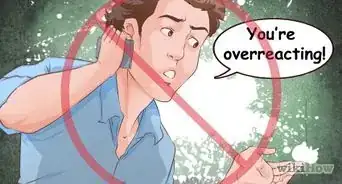
1Fighting is a normal part of any relationship. However, yelling, name-calling, and insulting one another isn’t. If you can bring up disagreements calmly and work through them as a team, that level of communication is a sign that your relationship is a healthy one.[6]
- Try to think of disagreements as “you and your partner vs. the problem” instead of “you vs. your partner.”

Method 7
Method 7 of 8:You compromise with each other.
-
1You can’t always get what you want (and that’s okay). There may come a time when you have to bend on your wants or needs to make sure your partner is happy. Compromising is an important part of any relationship, and it’s probably going to happen a lot during a long-term one.[7]
- Keep in mind that compromising goes both ways. If you feel like you’re constantly compromising but your partner gets exactly what they want, it might be time to communicate and reevaluate your relationship.
Advertisement

Method 8
Method 8 of 8:You have outside interests.
-
1You and your partner might have your own friends or hobbies. Independence is a good thing! By keeping up with other things besides your relationship, you’re laying the foundation to become a more well-rounded person. Your partner can’t meet all your needs, so it’s important to find value in other things.[8]
- It can be hard to make time for friends when you first get into a relationship. Try to reach out to your pals at least once a week so they don’t feel neglected.














References
- ↑ https://www.psychologytoday.com/us/blog/in-flux/201503/10-signs-youre-in-healthy-relationship
- ↑ https://www.psychologytoday.com/us/blog/in-flux/201503/10-signs-youre-in-healthy-relationship
- ↑ https://www.apa.org/topics/marriage/healthy-relationships
- ↑ https://www.apa.org/topics/marriage/healthy-relationships
- ↑ https://www.girlshealth.gov/relationships/healthy/index.html
- ↑ https://www.helpguide.org/articles/relationships-communication/relationship-help.htm
- ↑ https://www.girlshealth.gov/relationships/healthy/index.html
- ↑ https://www.helpguide.org/articles/relationships-communication/relationship-help.htm
About This Article