This article was co-authored by Zora Degrandpre, ND. Dr. Degrandpre is a Licensed Naturopathic Physician in Vancouver, Washington. She is also a grant reviewer for the National Institutes of Health and the National Center for Complementary and Alternative Medicine. She received her ND from the National College of Natural Medicine in 2007.
There are 20 references cited in this article, which can be found at the bottom of the page.
wikiHow marks an article as reader-approved once it receives enough positive feedback. This article received 22 testimonials and 100% of readers who voted found it helpful, earning it our reader-approved status.
This article has been viewed 768,864 times.
Fibroids are benign growths that most often appear in a women’s uterus during her childbearing years. They’re not dangerous and almost never develop into anything serious, but they could cause pain and discomfort. Don’t worry—you’ve come to the right place. While the overall results are mixed, certain natural solutions may help shrink your fibroids, like dietary changes, lifestyle adjustments, and alternative treatments. Here are 14 tips to help get you on your way.
Steps
Method 1
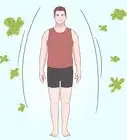
Method 1 of 14:Add plenty of fruit and vegetables to your diet.
-
1A diet higher in fruits and leafy green vegetables reduces your risk for fibroids and might shrink existing ones. Follow a healthy diet and build your meals around fruits and vegetables to see if this helps.[1]
- The general health advice is to eat at least 1.5-2 cups of fruit and 2-3 cups of vegetables every day. Use this as your guideline to make sure you’re getting enough.[2]
- Citrus fruits in particular lower your risk for fibroids. Try to include oranges, grapefruit, lemon, lime, and tangerines in your diet.
Advertisement

Method 2
Method 2 of 14:Eat more dairy for a good source of vitamin D, calcium, and magnesium.
-
1Some research shows that dairy products can heal fibroids. This suggests that vitamin D, calcium, and magnesium are beneficial for helping your body recover. Add more milk, cheese, and yogurt to your diet to experience these advantages.[3]
- Have low-fat dairy products to cut fat out of your diet and avoid gaining weight.

Method 3
Method 3 of 14:Drink green tea for more antioxidants.
-
1While all teas have antioxidants, green tea especially shows some success in treating fibroids. As an added bonus, a little caffeine from green tea could give you a boost. Try adding a few cups per day to your diet to see if your fibroids improve.[4]
- Green tea is generally safe for use as long as you don’t have too much. The recommended amount is 2-3 cups per day, but up to 5 is safe.[5]
- Remember that green tea has caffeine in it, so don’t drink it close to bedtime. Get a caffeine-free type so you can sleep.
Advertisement

Method 4
Method 4 of 14:Reduce your red meat intake.
-
1A diet high in red meat seems to put women at a higher risk for developing fibroids. If you eat red meat multiple times per week, then try to cut back. This might not shrink your fibroids, but it can prevent them from getting bigger and stop new ones from growing.[6]
- White-meat poultry and fish are good replacements for red meat.
- The general advice to avoid heart disease and cancer is consuming no more than 3 red meat servings per week. This might work for you, but ask your doctor what the ideal portioning is.[7]

Method 5
Method 5 of 14:Cut sugary foods and desserts out of your diet.
-
1Processed sugar also seems to make fibroids worse. This might be because sugar causes more insulin and estrogen to circulate in your body. Try reducing your daily sugar intake to prevent more fibroids from growing.[8]
- Desserts and soda are a big source of sugar, but they aren’t the only foods with added sugars. Check all the nutrition labels when you’re buying food. You might be surprised how much sugar some foods have.
- The recommendation is for women to have no more than 25 g of added sugar per day, so keep your intake below this level.[9]
Advertisement

Method 6
Method 6 of 14:Stay active to reduce your risk for fibroids.
-
1Athletic women tend to develop fibroids less often than women who don’t exercise. If you aren’t very active, then try adding more exercise to your daily schedule. Exercise also releases hormones that reduce pain, so you could make yourself more comfortable with regular exercise as well.[10]
- As a general guide, the recommendation is to get 150 minutes of exercise per week. You can break this up and get 30 minutes on 5-7 days during the week.[11]
- You don’t have to exercise intensely. Even a daily walk or some yard work could make a big difference.

Method 7
Method 7 of 14:
Lose weight if you have to.
-
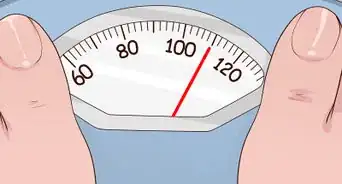
1Women with excess weight are about 2-3 times more likely to develop fibroids. Being overweight can also make the pain from fibroids worse. Talk to your doctor to decide on the ideal weight for you, then design a diet and exercise routine to reach that weight.[12]
- Don’t try to lose weight fast with a crash or extreme diet. These are dangerous and unsustainable, and many people regain weight once they stop an extreme diet.[13]
Advertisement

Method 8
Method 8 of 14:Control stress to avoid other health problems.
-
1While stress doesn’t directly cause fibroids, it may play a role in creating them. Specifically, stress can cause weight gain and stimulate the production of the hormone cortisol, both of which could trigger fibroids. If you regularly feel stressed out, then taking some steps to relax in your daily life could help treat your fibroids.[14]
- Some wellness exercises like yoga, meditation, and deep breathing are good for your mental health and could reduce stress. Try spending 15-20 minutes each day on one of these activities.
- Doing things you enjoy is good for reducing stress as well, so make some time for your hobbies and interests each day.

Method 9
Method 9 of 14:Limit your drinking.
-
1Alcoholic drinks, particularly beer, raise your risk of developing fibroids. Averaging more than 1 drink per day could trigger fibroid growth, so it’s best to keep your drinking below that level. An occasional drink is fine, but don’t drink every day.[15]Advertisement

Method 10
Method 10 of 14:Take vitamin D supplements to shrink the fibroids.
-
1Some studies show that a high vitamin D dose can reduce fibroid size. These findings are preliminary, but could be a potential treatment. Try taking a daily vitamin D supplement to see if this helps.[16]
- You would need a pretty high dose of vitamin D to shrink your fibroids. Since the daily recommended dose is 15 mcg, ask your doctor if taking higher doses is safe first.[17]
- You could also get more vitamin D from your regular diet

Method 11
Method 11 of 14:Use green tea extract as a treatment.
-
1While drinking green tea can help, a concentrated green tea supplement seems to work as well. Try taking 800 mg of green tea extract per day for 3-4 months to see if it helps.[18]
- Green tea extract has caffeine as well, so be careful about taking it near bedtime. It’s best to have it earlier in the day.[19]
- Green tea extract could interact with blood thinners and beta-blockers, so ask your doctor if this is a safe treatment before you use it.
Advertisement

Method 12
Method 12 of 14:See if Chinese herbal medicine works.
-
1Certain Chinese herbal mixtures show some success in reducing fibroids. The herb formula made fibroids smaller in a few small studies, so you can try it for yourself.[20]
- These were relatively small studies with inconsistent review methods, so it’s not a verified remedy. Ask your doctor before trying this treatment.

Method 13
Method 13 of 14:Reduce excess estrogen with chasteberry.
-
1High estrogen levels could cause fibroids. Chasteberry supplements could reduce excess estrogen and prevent fibroids from growing. You can take the supplement in pill or liquid form.[21]
- The dosage varies for different supplement brands. For tablets, a common dose is 20-40 mg per day, and for liquid a common dose is 40 drops (about 2 ml) per day.[22]
Advertisement

Method 14
Method 14 of 14:Try acupuncture.
-
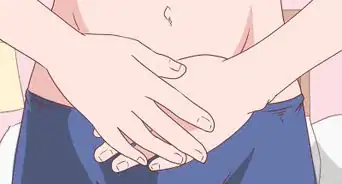
1Acupuncture may help relieve fibroid pain. While there’s no evidence that acupuncture helps specifically treat fibroids, it’s still widely used and some women find that it relieves their pain. Try this out if you’re feeling pain or discomfort with your fibroids.[23]
- Always visit a licensed and experienced acupuncturist to ensure you’re getting quality treatment.

Expert Q&A
Did you know you can get expert answers for this article?
Unlock expert answers by supporting wikiHow
-
QuestionAre homeopathic treatments appropriate for fibroids? Can they shrink fibroids?
 Zora Degrandpre, NDDr. Degrandpre is a Licensed Naturopathic Physician in Vancouver, Washington. She is also a grant reviewer for the National Institutes of Health and the National Center for Complementary and Alternative Medicine. She received her ND from the National College of Natural Medicine in 2007.
Natural Health DoctorThere are no clinical studies available, but there are homeopathic remedies that have been helpful. Homeopathy is an alternative form of medicine — the homeopath will likely ask many questions to determine the best remedy for you — the remedy is individual to every woman, depending on specific symptoms. Look for a homeopath who has experience with fibroids.
Support wikiHow by unlocking this expert answer.
-
QuestionI have a large uterine fibroid and I don't know what to do.Zora Degrandpre, NDDr. Degrandpre is a Licensed Naturopathic Physician in Vancouver, Washington. She is also a grant reviewer for the National Institutes of Health and the National Center for Complementary and Alternative Medicine. She received her ND from the National College of Natural Medicine in 2007.
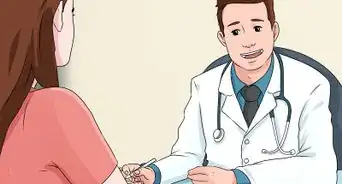
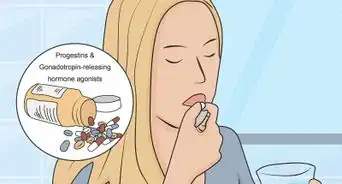
Natural Health DoctorThe first step is to go to your physician for a checkup and examination. Make sure you tell your physician everything that is going on with you. Sometimes, large fibroids are surgically removed using ultrasound to guide the surgery. Hormonal treatments can control bleeding and may help make the fibroid smaller. Talk to your physician about all your options. Do some more research about fibroids and take a copy of this article with you along with any notes or questions you have.Support wikiHow by unlocking this expert answer.
Warnings
- Remember that while these steps could help fibroids, dieting and herbs they aren't guaranteed to work. If your fibroids are causing pain or other problems, then see your doctor for professional treatment.Thanks!
-Step-11-Version-2.webp)
-Step-3.webp)

References
- ↑ https://www.ncbi.nlm.nih.gov/pmc/articles/PMC4859848/
- ↑ https://www.cdc.gov/media/releases/2017/p1116-fruit-vegetable-consumption.html
- ↑ https://www.ncbi.nlm.nih.gov/pmc/articles/PMC4859848/
- ↑ https://www.ncbi.nlm.nih.gov/pmc/articles/PMC4859848/
- ↑ https://www.mountsinai.org/health-library/herb/green-tea
- ↑ https://www.womenshealth.gov/a-z-topics/uterine-fibroids
- ↑ https://www.wcrf.org/dietandcancer/recommendations/limit-red-processed-meat
- ↑ https://cwhn.ca/en/yourhealth/faqs/fibroids
- ↑ https://sugarscience.ucsf.edu/the-growing-concern-of-overconsumption.html#.XwXqTShKiUk
- ↑ https://www.uofmhealth.org/health-library/hw183462#hw183606
- ↑ https://www.mayoclinic.org/healthy-lifestyle/fitness/expert-answers/exercise/faq-20057916
- ↑ https://www.uclahealth.org/fibroids/what-are-fibroids
- ↑ https://www.pennmedicine.org/updates/blogs/health-and-wellness/2018/june/crash-diets-and-weight-loss
- ↑ https://www.ncbi.nlm.nih.gov/pmc/articles/PMC4859848/
- ↑ https://www.ncbi.nlm.nih.gov/pmc/articles/PMC4859848/
- ↑ https://www.nih.gov/news-events/news-releases/vitamin-d-shrinks-fibroid-tumors-rats
- ↑ https://ods.od.nih.gov/factsheets/VitaminD-Consumer/
- ↑ https://pubmed.ncbi.nlm.nih.gov/23950663/
- ↑ https://www.urmc.rochester.edu/encyclopedia/content.aspx?contenttypeid=19&contentid=GreenTeaExtract
- ↑ https://pubmed.ncbi.nlm.nih.gov/24383676/
- ↑ https://www.sciencedirect.com/topics/medicine-and-dentistry/vitex-agnus-castus
- ↑ https://www.aafp.org/afp/2005/0901/p821.html
- ↑ https://www.ncbi.nlm.nih.gov/pmc/articles/PMC6408086/
- ↑ https://www.mayoclinic.org/diseases-conditions/uterine-fibroids/diagnosis-treatment/drc-20354294
- ↑ https://www.mayoclinic.org/diseases-conditions/uterine-fibroids/diagnosis-treatment/drc-20354294
About This Article
To shrink fibroids, which are non-cancerous tumors that form on your uterus, try drinking a cup of green tea daily, which may reduce fibroid symptoms and shrink existing fibroids. You can also try working with a physical therapist to relieve fibroid symptoms, which can include heavy menstrual bleeding or changes in menstruation patterns. If none of these treatments work, try acupuncture, which reduces fibroid symptoms for some women. Make sure to seek medical attention immediately if you experience severe bleeding during your period, or prolonged spells of pain that won’t go away. When you see your doctor, ask them about hormonal medications, which can restrict fibroid growth. For tips on how to understand what causes fibroids, keep reading!














































Medical Disclaimer
The content of this article is not intended to be a substitute for professional medical advice, examination, diagnosis, or treatment. You should always contact your doctor or other qualified healthcare professional before starting, changing, or stopping any kind of health treatment.
Read More...