This article was co-authored by wikiHow staff writer, Amber Crain. Amber Crain has been a member of wikiHow’s writing staff for the last six years. She graduated from the University of Houston where she majored in Classical Studies and minored in Painting. Before coming to wikiHow, she worked in a variety of industries including marketing, education, and music journalism. She's been a radio DJ for 10+ years and currently DJs a biweekly music program on the award-winning internet radio station DKFM. Her work at wikiHow supports her lifelong passion for learning and her belief that knowledge belongs to anyone who desires to seek it.
There are 8 references cited in this article, which can be found at the bottom of the page.
This article has been viewed 8,673 times.
Learn more...
If you love to sew, put those skills to use by making items for people in need! Most organizations recommend that you start at the local level to see how you can best serve your own community. Local hospitals, cancer treatment centers, nursing homes, homeless shelters, and foster care services are just a few community options to look into. If you want to branch out, there's no shortage of work you can do for national organizations.
Steps
Method 1
Method 1 of 2:Finding Charities for Donations
-
1Search for specific charities if there’s a cause close to your heart. If you have your heart set on helping a specific group, there’s nothing wrong with that! For example, if your sister recently passed away after battling cancer, it’s understandable that you’d want to work with cancer charities in her honor. If there's a specific cause that's meaningful to you, see if there’s a charity in your community.[1] Consider causes like:
- Animals
- Disaster relief
- Homeless services
- Cancer treatment and research
- Seniors
- Domestic violence
- Military and veterans
-
2Look up local charities and organizations for community opportunities. Helping people in your local community is one of the best ways to sew for charity. There is no shortage of options no matter where you live! Start by checking out local hospitals, veterans' hospitals, cancer treatment centers, hospice centers, nursing homes, women’s shelters, homeless shelters, and foster care services for opportunities to put your sewing skills to good use.
- Search for local opportunities by visiting https://www.volunteermatch.org/.
- See if your church leads a sewing or quilting ministry for charity.
Advertisement -
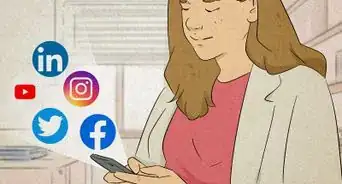
3Connect with a community sewing charity for specific projects. If you’re interested in meeting new people while also giving back to your community in a meaningful way, this is a great option! Check at the local level for charity sewing groups by searching “your city name or ZIP code + local sewing charity.”[2]
- For example, your community might hold a weekly or monthly “sew along” gathering and provide projects and patterns for you to choose from.
-
4Research charities in your state or country for even more options. If you want to branch out beyond your immediate community, there are tons of charities on a state or national level that could use your support. These charities generally have a network of charities that they’re already working with, so it’s super easy to join up and get started on one their projects.[3]
- VolunteerMatch.org lists opportunities at the national level.
- You can find an exhaustive list of charity options by visiting https://cyberseams.com/article/105724/tips/sewing_charity_list.html.
-
5Research organizations to make sure they are reputable. Unfortunately, some "organizations" out there are fake and may even sell the items they receive as donations.[4] Always research a charity thoroughly before you work with them to make sure they're reputable. Here are a few trustworthy options for researching nonprofits and charities:[5]
- Visit BBB Wise Giving Alliance at https://www.give.org/.
- Check out Charity Navigator at https://www.charitynavigator.org/.
- Visit CharityWatch at https://www.charitywatch.org/.
Advertisement


Method 2
Method 2 of 2:Choosing Sewing Projects
-
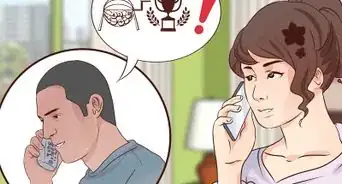
1Find out what items your chosen charity needs for donations. Once you’ve settled on a charity, find out what items they currently need the most. Sometimes organizations will provide specific lists and may even give you free patterns and sewing templates to follow.[6]
- If your charity doesn’t have a list of needed items posted on their website, call them up to find out.
-
2Make pillowcases for a simple sewing project. If you’re only just learning to sew or you don't have much free time, you can still help. Pillowcases are quick and easy to make and many organizations, like homeless shelters and medical charities, need them desperately. Choose fun, colorful fabrics to add a little cheer to someone's day.[7]
- Ryan’s Case for Smiles is a well-known children's charity that takes pillowcase donations. For information about patterns, projects, and where to send donations, visit https://caseforsmiles.org/.
- Check out American Patchwork & Quilting’s 1 Million Pillow Case Challenge at http://millionpillowcases.allpeoplequilt.com/.
-
3Work with an infant charity if you like to sew small items. There are many sewing projects out there for infants and free online patterns are easy to find. Infants and premature babies mostly need tiny T-shirts, caps, and gowns. They often need baby blankets and pillowcases, too. Contact the infant charity of your choice for details about patterns, projects, and materials.[8]
- Check Newborns in Need for other opportunities or ideas: https://newbornsinneed.org/.
-
4Sew bed saddlebags, wheelchair lap blankets, and gowns for the elderly. These are some of the most common sewing projects, but nursing homes and hospices take a variety of donations. For example, they may need walker bags, drawstring bags, and flap-style pouches. Contact the nursing home or facility directly for specific information and to get free patterns.[9]
- Medi Home Health and Hospice may have opportunities and patterns available at https://www.volunteermatch.org/search/org196724.jsp#opportunities_tab.
- Learn how to make a hospital bed saddlebag here: http://www.sewing.org/html/saddle1.html.
-
5Create simple turbans for chemo patients. Radiation treatment centers, oncologists, and cancer facilities always need turbans for their chemo patients. Sewing a chemo turban is an easy project and the turbans don't require much fabric or time to complete.[10]
- Find a simple turban tutorial here: http://www.sewing.org/html/turban.html.
-
6Make cage pads, blankets, toys, and clothing for animals. The need for these items is even higher if your area recently experienced a natural or man-made disaster since many animals end up homeless after these events. Choose a local animal shelter to work with and reach out to find what items they need.[11]
- Animal shelters like the Humane Society often take hand-sewn cat and dog cots. Check your local organization for exact dimensions or available patterns.
- Snuggles Project may also provide opportunities and free patterns at https://www.snugglesproject.org/pattern-library/index.html.
-
7Sew quilts and blankets regardless of your skill level. Blankets, quilts, and afghans are much-needed items for lots of organizations. There are many blanket sizes, shapes, and types out there, so you can find something no matter how experienced you are with sewing. If you're working locally, be sure to ask your charity organization what they need first.[12]
- You can find a variety of templates here: https://www.projectlinus.org/patterns/.
-
8Create face masks and surgical caps for others during COVID-19. Contact local hospitals, nursing homes, and homeless shelters about ways you can help out during the coronavirus pandemic. For example, many hospitals need fabric surgical caps for nurses, face masks for staff and patients, and more.[13]
- The Red Cross is a great organization to work with if you’re interested in pandemic relief. Learn more here: https://www.redcross.org/about-us/news-and-events/news/2020/crafters-the-red-cross-wants-you.html
- If you're looking for a face mask template, check out https://www.cnn.com/2020/04/04/health/how-to-make-your-own-mask-wellness-trnd/index.html.
Advertisement





References
- ↑ https://www.kids-sewing-projects.com/charity-sewing-projects.html
- ↑ https://www.threadsmagazine.com/2010/11/18/look-online-to-find-local-sewing-charity-projects
- ↑ https://sewingforcharity.com/
- ↑ https://www.kids-sewing-projects.com/charity-sewing-projects.html
- ↑ https://www.consumer.ftc.gov/articles/0074-giving-charity
- ↑ https://www.kids-sewing-projects.com/charity-sewing-projects.html
- ↑ https://www.sewdaily.com/sewing/sewing-for-good-9-sewing-charities-that-need-your-help/
- ↑ https://www.kids-sewing-projects.com/charity-sewing-projects.html
- ↑ https://www.kids-sewing-projects.com/charity-sewing-projects.html
About This Article