This article was co-authored by Adrian Klaphaak, CPCC and by wikiHow staff writer, Janice Tieperman. Adrian Klaphaak is a career coach and founder of A Path That Fits, a mindfulness-based boutique career and life coaching company in the San Francisco Bay Area. He is also is an accredited Co-Active Professional Coach (CPCC). Klaphaak has used his training with the Coaches Training Institute, Hakomi Somatic Psychology and Internal Family Systems Therapy (IFS) to help thousands of people build successful careers and live more purposeful lives.
There are 10 references cited in this article, which can be found at the bottom of the page.
This article has been viewed 109,836 times.
During the hustle and bustle of everyday life, it’s all-too-easy to lose sight of our thoughts, feelings, and behaviors. That’s where self-reflection comes in. This practice encourages you to press the “pause” button on your daily life, so you can better understand yourself. The benefits of self-reflection even include reduced stress, a better understanding of your values and dreams, and more connected relationships. Not sure how to get started? We’re here to help walk you through the process, so you can get more in tune with your thoughts and feelings.[1]
Steps
Method 1
Method 1 of 10:Label your emotions.
-
1Figuring out how you're feeling will improve your self-awareness. It feels really good to describe exactly how you’re feeling, whether it’s happiness, sadness, anger, or something completely different. Try adding a new word to your emotional vocabulary, so you can be more aware of your thoughts and feelings.[2]
- Receptive, ecstatic, blessed, reassured, intrigued, resentful, and indignant are all great examples of words for your emotional vocabulary.[3]

Method 2
Method 2 of 10:Ask yourself deep questions.
-
1Reflective questions help you better understand yourself. Thought-provoking questions like “What have I been avoiding?” “How have I been achieving my goals?” or “How am I holding myself back?” may lead to some helpful insights, and help you better understand yourself and your needs. Don’t be afraid to ask yourself some difficult questions—identifying and reflecting on your weak points can help you improve in the future.[4]
- “What are you most proud of?” “What stressed you out the most?” “What opportunities did I miss out on?” “What did I start to do but never finish?” are all great questions for self-reflection.[5]

Method 3
Method 3 of 10:Create goals for yourself.
-
1Set specific goals and measure your progress. Write down your goals and outcomes for your career, as well as your spiritual, emotional, and mental health. Once a month, check-in with yourself—have you reached your goals from the previous month, or are you not quite there yet? As you reflect, create new goals for the upcoming month.[6]
- Your goals could be “I want to be 20% more productive at work,” or “I want to give myself an extra hour of “me time” each week.”
- It’s okay if you don’t reach your goals right away! Self-reflection is all about the journey and becoming more in tune with yourself.

Method 4
Method 4 of 10:Write in a journal.
-
1Jot down everything that’s on your mind. Take time to reflect on how your day went, along with anything you feel thankful for. Journaling is a great way to curb any negative or unproductive thoughts while helping you look toward the future.[7]
- You might write about a frustrating experience at work, a tough conversation you had with a friend, or an upcoming event that’s stressing you out.
- You could also jot down something you did well, or something that made you really happy.
- It’s okay if your journaling seems jumbled—what matters most is that you’re transforming your thoughts into words.

Method 5
Method 5 of 10:Practice gratitude.
-
1Use gratitude to help you reflect on all the good things in your life. Throughout the week, focus on anything you feel thankful or grateful for. Practicing gratitude can help you feel calmer, and also boost your feelings of contentment.[8]
- “I’m grateful for the support system in my life” “I’m thankful to have a roof over my head” or “I’m thankful to have a supportive boss and co-workers” are some ways to practice gratitude.

Method 6
Method 6 of 10:Get into the proper headspace for self reflection.
-
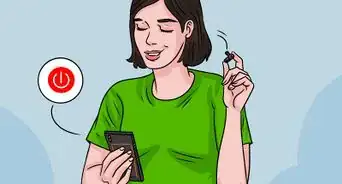
1Daily walks, meditation, and other exercises help clear your mind. Walk through your neighborhood, a local park, or any other place where you can really unplug and focus on yourself.[9] Meditation and yoga are also great ways to boost your sense of self-awareness.[10]
- There are plenty of meditation styles to try—guided style helps you focus on a relaxing place or experience, while mantra meditation involves chanting a calming word. There’s also mindfulness meditation, which helps you focus on living in the current moment.
- A daily walk is a great way to incorporate self-reflection into your busy schedule.[11]

Method 7
Method 7 of 10:Go easy on yourself.
-
1Don’t criticize or beat yourself up as you reflect. Self-reflection isn’t about judging or criticizing your past decisions. Instead, self-reflection helps you learn from your past so you can reach a healthier, happier future.[12]
- Instead of thinking “I can’t believe I made that mistake at work,” think “I’m glad I have the opportunity to reflect on my mistakes so I can do better in the future.”
- Instead of thinking, “I shouldn’t have said that to my sister,” think “I’m now better prepared for future conversations.”

Method 8
Method 8 of 10:Self-reflect once a day.
-
1Self-reflect regularly, even if it’s only for a few minutes. Just 10-15 minutes is enough time to help you unplug and focus on yourself. In fact, research shows that professionals who took time for self-reflection performed better at work overall.[13]
- If you don’t have a lot of free time, try self-reflecting at least once a week.[14]

Method 9
Method 9 of 10:Get an accountability partner.
-
1A trusted friend can help keep tabs on your self-reflection. Regular self-reflection can be tough to manage on your own; instead, reach out to a friend, loved one, or other trusted individual for help. Ask this person to hold you accountable, and remind you to self-reflect frequently. This might be a text, phone call, or any other reminder that helps you remember.[15]

Method 10
Method 10 of 10:Reflect on your past problems.
-
1Figure out what went wrong so you can avoid repeating the same mistakes. Don’t beat yourself up when you think about the past; instead, honestly identify and reflect on the mistakes you made, so you can make better, more informed decisions in the future.[16]
- For instance, if you showed up late to work, you might set several alarms for yourself in the future.
- If you hurt a friend’s feelings, you could pinpoint what you said and how you said it. That way, you’ll know what not to say in the future.
- If you didn’t get a lot done during the workday, you could pinpoint what slowed you down.

Expert Q&A
Did you know you can get expert answers for this article?
Unlock expert answers by supporting wikiHow
-
QuestionWhy is it important to self reflect?
 Adrian Klaphaak, CPCCAdrian Klaphaak is a career coach and founder of A Path That Fits, a mindfulness-based boutique career and life coaching company in the San Francisco Bay Area. He is also is an accredited Co-Active Professional Coach (CPCC). Klaphaak has used his training with the Coaches Training Institute, Hakomi Somatic Psychology and Internal Family Systems Therapy (IFS) to help thousands of people build successful careers and live more purposeful lives.
Life CoachIt's a great way to identify what's important to you. It's also important to sort of take a step back and take stock of your trajectory in life. If there's something you really want to achieve and you aren't moving closer to that goal, reflection can kind of help you re-calibrate.
Support wikiHow by unlocking this expert answer.
-
QuestionWhat if I'm really bad at self reflection?Adrian Klaphaak, CPCCAdrian Klaphaak is a career coach and founder of A Path That Fits, a mindfulness-based boutique career and life coaching company in the San Francisco Bay Area. He is also is an accredited Co-Active Professional Coach (CPCC). Klaphaak has used his training with the Coaches Training Institute, Hakomi Somatic Psychology and Internal Family Systems Therapy (IFS) to help thousands of people build successful careers and live more purposeful lives.
Life CoachAs people you know really well to identify your strengths and weaknesses. Seeking out feedback is a kind of roundabout way to do some reflection, since they may see things in you that you're totally unaware of.Support wikiHow by unlocking this expert answer.
-
QuestionI get bummed out whenever I reflect on my achievements. How can I get closer to completing more goals?Adrian Klaphaak, CPCCAdrian Klaphaak is a career coach and founder of A Path That Fits, a mindfulness-based boutique career and life coaching company in the San Francisco Bay Area. He is also is an accredited Co-Active Professional Coach (CPCC). Klaphaak has used his training with the Coaches Training Institute, Hakomi Somatic Psychology and Internal Family Systems Therapy (IFS) to help thousands of people build successful careers and live more purposeful lives.
Life CoachYou may be thinking about achievement in the wrong way. If your goal is to graduate from law school or get a job at Google, you're just going to get down on yourself. Those are massive, lofty goals that may take decades to achieve depending on how old you are. Try to think about the steps along the way that you've completed. Those are achievements, too!Support wikiHow by unlocking this expert answer.









-Step-11.webp)



References
- ↑ https://www.psychologytoday.com/us/blog/click-here-happiness/201910/what-is-self-reflection-and-why-it-matters-wellness
- ↑ https://www.entrepreneur.com/article/254669
- ↑ http://www.psychpage.com/learning/library/assess/feelings.html
- ↑ https://hbr.org/2017/03/why-you-should-make-time-for-self-reflection-even-if-you-hate-doing-it
- ↑ https://www.inc.com/peter-economy/10-personal-reflection-questions-for-success-happiness-in-2020.html
- ↑ https://www.forbes.com/sites/forbescoachescouncil/2020/10/16/how-to-self-reflect-15-meaningful-steps-business-owners-can-take/?sh=26f68ba83e08
- ↑ https://www.forbes.com/sites/forbescoachescouncil/2020/10/16/how-to-self-reflect-15-meaningful-steps-business-owners-can-take/?sh=26f68ba83e08
- ↑ https://www.canr.msu.edu/news/practicing_gratitude_has_positive_impacts_on_our_health_and_well_being
- ↑ https://www.forbes.com/sites/forbescoachescouncil/2020/10/16/how-to-self-reflect-15-meaningful-steps-business-owners-can-take/?sh=26f68ba83e08
- ↑ https://www.mayoclinic.org/tests-procedures/meditation/in-depth/meditation/art-20045858
- ↑ https://www.forbes.com/sites/forbescoachescouncil/2020/10/16/how-to-self-reflect-15-meaningful-steps-business-owners-can-take/?sh=26f68ba83e08
- ↑ https://www.psychologytoday.com/us/blog/click-here-happiness/201910/what-is-self-reflection-and-why-it-matters-wellness
- ↑ https://hbr.org/2017/03/why-you-should-make-time-for-self-reflection-even-if-you-hate-doing-it
- ↑ https://www.inc.com/kevin-daum/the-power-of-self-reflection.html
- ↑ https://hbr.org/2017/03/why-you-should-make-time-for-self-reflection-even-if-you-hate-doing-it
- ↑ Adrian Klaphaak, CPCC. Life Coach. Expert Interview. 18 December 2018.
About This Article

If you want to self-reflect, try seeking out a quiet place with no distractions, like your bedroom or office. Once you've found some personal space, go ahead and talk out loud to yourself. Just say what's on your mind in that moment. Then, pour out the emotions you're feeling, and cry if you have to. When you're done, be sure to write down these emotions afterwards so you can understand yourself better. Once you get it all out, make sure you take some time to just breathe for as long as you need. For more advice, like how you can turn this reflection into action, read on.