This article was co-authored by April Jordan. April Jordan is a Sustainability Specialist and the Founder of The Ethical Edit, a blog dedicated to making ethical fashion and lifestyle changes accessible by sharing easy-to-digest sustainability information and ethical and sustainable brand reviews. With over five years of experience in sustainability and over five years in the marketing and communications field, April is passionate about using her skills to make the world a better place.
There are 7 references cited in this article, which can be found at the bottom of the page.
wikiHow marks an article as reader-approved once it receives enough positive feedback. In this case, 80% of readers who voted found the article helpful, earning it our reader-approved status.
This article has been viewed 450,255 times.
There are plenty of little steps that people can take at home to help save the environment. While the eco-footprint of each step is small, thousands of people doing the same thing can make a difference. In making some small changes to the way that you do things at home, you are gradually making a difference, even as an individual.[1] We’ve put together a few tips, tricks, and ideas to help you get started!
Steps
Method 1
Method 1 of 27:Turn off the lights.

Method 2
Method 2 of 27:Switch to compound fluorescent light bulbs.

Method 3
Method 3 of 27:Power down your TV when you are not using it.
-
1Believe it or not, up to 30% of power used by TVs is used while they are turned off. Simply buy power strips and switch them off when you’re not using them. They use far less energy while turned off.[2]Advertisement

Method 4
Method 4 of 27:Turn off the computer every day.
-
1Even if it feels like it is not making much of a difference, it is. You also reduce any risks of overheating or short-circuiting by turning computers off overnight.[3]

Method 5
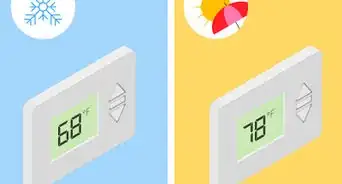
Method 5 of 27:Lower the thermostat in the winter.

Method 6
Method 6 of 27:Regulate your home’s temperature with your windows.
-
1Keep windows and doors closed properly to avoid the loss of heat in winter. Also, open the windows in summer. The cross breeze will often keep you cool and flushes out stale air (indoor air is often more highly polluted than the air outside). Importantly, the use of fresh air to cycle through your home saves the cost of running an air conditioner.

Method 7
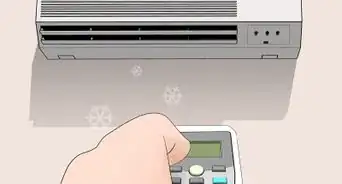
Method 7 of 27:Pair ceiling fans with AC units.

Method 8
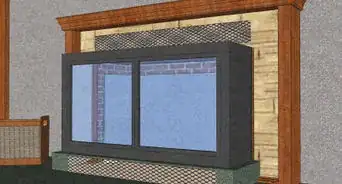
Method 8 of 27:Fill in any gaps around your home.

Method 9
Method 9 of 27:Insulate your home.
-
1Insulation keeps the heat and cool on the correct side of your living space. Consider not only the ceiling but also the walls and under the floors.[4]Advertisement

Method 10
Method 10 of 27:Install low-flush toilets in your home.

Method 11
Method 11 of 27:Take showers instead of baths.
-
1Showers use less water. While you’re at it, don't forget to install an efficient showerhead.[5]Advertisement

Method 12
Method 12 of 27:Wash full loads of laundry with cold water.

Method 13
Method 13 of 27:Air-dry your clothes when you can.

Method 14
Method 14 of 27:Stick your dishes directly in the dishwasher.

Method 15
Method 15 of 27:Air-dry your dishes.
-
1Stop the dishwasher before the dryer cycle commences. Leave the door slightly ajar (or more open if you have the space) and let the dishes air-dry. The drying cycle of the dishwasher consumes a lot of energy.[6]Advertisement

Method 16
Method 16 of 27:Update your refrigerator.
-
1Fridges are the most energy intensive appliance in a house. This means that a poorly maintained and energy inefficient fridge is costing you money, let alone adding its burden to the atmosphere. Recent fridges use 40% less energy than fridges of 10 years ago. If you do decide to upgrade the fridge, make sure that you buy for its excellent energy rating, longevity and durability and that you have the old fridge recycled.

Method 17
Method 17 of 27:Recycle when you can.

Method 18
Method 18 of 27:Ditch disposable products.

Method 19
Method 19 of 27:Start composting.
-
1Compost the kitchen scraps and create garden matter to encourage better plant growth. Make sure the heap is warm and well-turned. If you need to, read a few books about composting—it's rare to find someone highly skilled in the area! Remember, soil is a living thing, it should not be powdery and dead. Life comes from the soil, and therefore the soil should be kept alive. Avoid highly invasive tilling if at all possible, but be sure to keep the soil aerated.[8]Advertisement

Method 20
Method 20 of 27:Throw out hazardous items carefully.

Method 21
Method 21 of 27:Save paper in your home office.

Method 22
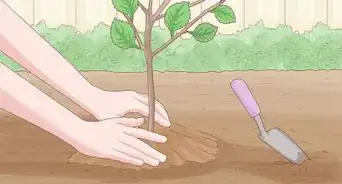
Method 22 of 27:Plant trees.

Method 23
Method 23 of 27:Reduce your lawn.
-
1Either reduce your lawn size or remove it altogether. Lawns are costly to maintain, the chemicals used on lawns are dangerous to our health and to that of the surrounding wildlife and lawnmowers emit high levels of pollution. Replace lawns with shrubs, ornamental garden structures, pavers for entertainment areas, native grasses and ground creepers etc. In addition, what's better than being able to step outside and pick a few strawberries or an ear of corn? Increase your own resilience by converting wasted lawn space into a vegetable garden.
- Consider using drip-irrigation systems or constructing or purchasing a rain barrel (it saves you having to pay to pump water back into the ground).
Advertisement

Method 24
Method 24 of 27:Grow native plants in your garden.

Method 25
Method 25 of 27:Maintain your bike.

Method 26
Method 26 of 27:Switch to a fuel-efficient car.
-
1Choose a compact car over an SUV. SUVs burn almost twice the amount of gas as a station wagon and yet can still carry around the same amount of passengers.
- If you're really serious about going all-out green, consider living without a car -- not only it's green, but could also save you a lot of money!

Method 27
Method 27 of 27:Drive your car less.
-
1This way, your car contributes less to the atmosphere. When you can, walk to your local stores, take public transport to work and cycle to your friends' houses for dinner. Join a carpool and ferry others to work rather than driving in alone. You'll make new friends and you'll all share the costs.[9]Advertisement

Community Q&A
-
QuestionIs gardening good for the environment?
 Community AnswerIt can be, depending on whether you have an organic garden or use a lot of pesticides. In general, gardening is good for the environment as it contributes to conserving nature.
 -
QuestionIs eating too much meat OK?
 DonaganTop AnswererDoing anything "too much" is by implication not OK. Eating one or two helpings of meat a day is plenty. Some people manage quite well without meat at all. The point is: indulge liberally in moderation. As Oscar Wilde famously said, "Everything in moderation, including moderation."
 -
QuestionWhich is better: a community garden or an adults-only garden?
 Community AnswerProbably a community garden. That way everyone can be involved and your project will become a much bigger, more involved garden.
 -
QuestionWhat is sustainability?DonaganTop AnswererSustainability is the capacity of any activity -- such as agriculture or industry -- to function without (or nearly without) a net-consumption of natural resources.
-
QuestionCan kids help to save the environment?
 Community AnswerDefinitely, there are kids out there who are also environmentalists.
 -
QuestionIsn't it bad for the environment to mow your lawn, because it takes away the grass that was living there?
 Community AnswerWhen they recommend reducing the lawn here, they mean to replace the lawn with other plants, such as vegetable or flower gardens. Most areas require by law that you mow your grass, so by replacing the grass with gardens, you mow less, produce more oxygen, and take more carbon out of the air. If you plant vegetables, you also cut down on the emissions required for food that is shipped to you, and if you grow certain kinds of flowers you can help feed bees and other pollinators.
 -
QuestionCan we save environment by using less Internet?DonaganTop AnswererProbably not. It's hard to make a conclusive case that Internet usage harms the environment.
-
QuestionIs it good to make fires instead of electric heaters?Community AnswerIt is safer to use an electric heater, but better for the environment to make fires.
-
QuestionIf I plant fruits and vegetables, will that help the environment?Community AnswerYes, because it is creating more oxygen.
-
QuestionHow can I save the environment as a kid?Community AnswerPlant trees native to your area and get involved in conservation programs in/near your state. Often they have programs where people contribute and spend the day planting trees/clearing invasive species etc. Start a vegetable garden and learn how to compost; read up on living sustainably and being self-sufficient. The possibilities are endless once you start learning how.








References
- ↑ April Jordan. Sustainability Specialist. Expert Interview. 22 September 2020.
- ↑ https://www.energysage.com/energy-efficiency/101/ways-to-save-energy/
- ↑ https://www.energy.gov/articles/top-11-things-you-didnt-know-about-saving-energy-home-summer-edition
- ↑ https://www.energysage.com/energy-efficiency/101/ways-to-save-energy/
- ↑ https://www.efficiencyns.ca/tip/11-tips-save-energy-bathroom/
- ↑ https://blog.constellation.com/2016/01/01/31-ways-to-save-energy-in-your-home/
- ↑ April Jordan. Sustainability Specialist. Expert Interview. 22 September 2020.
- ↑ https://www.hribar.com/how-to-save-energy.htm
- ↑ https://www.starenergypartners.com/blog/energy-efficiency/ways-to-save-energy-on-transportation/
About This Article

You can easily help save the environment at home by recycling your trash and reducing your utility bills. Turn off your electrical appliances, like computers, TVs, and sound systems, when you’re not using them, instead of just using their standby settings. During the colder seasons, consider turning your thermostat down a few degrees and wearing a warm sweater. This will help the environment and save you money too! If you have a little spare cash, consider getting your house fully insulated, which will reduce your heating bill. You can also wash your laundry on cold cycles to save a ton of energy. If you don’t already have separate baskets for your trash, consider getting one for recycling, which will prevent a lot of waste from going to landfill. For more tips, including how to change your travel routine to help save the environment, read on!