This article was co-authored by Peggy Rios, PhD and by wikiHow staff writer, Jessica Gibson. Dr. Peggy Rios is a Counseling Psychologist based in Florida. With over 24 years of experience, Dr. Rios works with people struggling with psychological symptoms such as anxiety and depression. She specializes in medical psychology, weaving together behavioral health programs informed by empowerment theory and trauma treatment. Dr. Rios uses integrated, evidence-based models to provide support and therapy for people with life-altering medical conditions. She holds an MS and Ph.D. in Counseling Psychology from the University of Maryland. Dr. Rios is a licensed psychologist in the state of Florida.
There are 8 references cited in this article, which can be found at the bottom of the page.
Being afraid of things is a normal part of childhood, but as a parent, you want to help your child overcome their fears. Fortunately, acknowledging and talking about what scares them can really help your child face their fears and move on.[1] We'll walk you through how to talk with your child and empower them to get over their fears.
Steps
Method 1
Method 1 of 11:Calm your child down when they’re upset or scared.
-
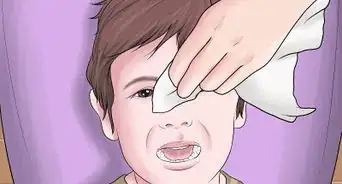
1Let them know that whatever they fear can't hurt them. If your child is worked up, give them a big hug, talk them in a calming voice, snuggle them, or just sit with them until they relax. Sometimes, just being near them is enough to help them calm down.[2]
- If your child has been frightened about something for a long time, it's easy to lose your patience with them. Remember that the fear is real for them and try to be as understanding as possible.
- For instance, if your child wakes you up with a nightmare, go and sit with them. If they're distraught, you might say, "It's okay. It's okay. You're safe. You're in bed and I'm here."

Method 2
Method 2 of 11:Listen to your child describe their fear.
-
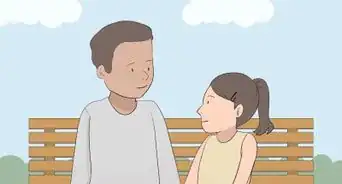
1Ask them to tell you exactly what's frightening them. See if they'll describe what scares them and how it makes them feel. You might also ask about what's happening right before they get afraid since certain situations might trigger their fear.[3]
- For example, your kid might not say that they have a fear of heights. Instead, they might say that they don't like going to a certain store or building. When you ask them why they might say that going up the stairs and looking out the window makes them feel bad. Keep asking questions until you have a good idea what exactly they're afraid of.
- Some common childhood fears include fear of the dark, shots, bugs, big animals, being alone, loud noises, or imaginary monsters.

Method 3
Method 3 of 11:Affirm their feelings.
-
1Go over what they told you and label what they're feeling. This shows your kid that you're listening and that it's normal to feel frightened about something. Talking about their feelings is a really good way to validate their emotions and get them used to talking about their feelings.[4]
- For instance, if they're scared of a spider, you might say, "I know, that spider looks scary to you, but it's not going to hurt you," or, "I know, you don't like going to the doctor. You sound a little anxious about it."

Method 4
Method 4 of 11:Take their fear seriously.
-
1Resist the urge to downplay their fear or make your child feel silly. Let your kid know that everyone gets scared sometimes and that's okay. If you're understanding and supportive, your child will know that they can go to you with their problems and they may not feel so alone with their fear.[5]
- You might say something like, "I used to be scared of big dogs, too, but then I met a really friendly dog that let me pet him," or "I know that you're frightened of big kids at school, but did you know that they were all little kids once?"

Method 5
Method 5 of 11:Work with your child to find a solution.
-
1Create goals or solutions that will make your child feel better. Instead of trying to fix their fear for them, talk about things that would make them feel better. Ask them to give you ideas and contribute a few of your own. Then, let them choose what they want to try.[6]
- For example, if your child is afraid of sleeping in their dark bedroom, some ideas might be adding night lights to their room, reading an extra book before you tuck them in, keeping the door cracked. Get their input and adjust your plan as they face their fear.
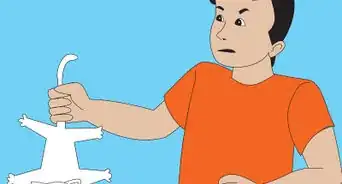
- You might try imaginary solutions for some problems. For instance, if your child is afraid of monsters, fill a spray bottle with water and turn the nozzle to a mist setting. When your child's scared, they can spray the "monster" and make it go away.

Method 6
Method 6 of 11:Read or tell stories to help your child.
-
1Choose stories that deal with the same fear so your child can relate. Sometimes, just knowing that they're not alone can help your child get over their fear. Read stories where the characters face the same fears and learn to overcome them. For instance, if your child is scared of other kids, reading books about friendship and making friends might help.[7]
- Not sure what books to read? Ask your local librarian or the librarian at your child's school for recommendations.
- You can remind your child about the character in the story if they get worried again. For instance, say, "Remember what Ruby did when she was scared by the shadow in her closet? She got her flashlight out and shined it right there!"
- Maybe a character in a book was afraid of loud noises and you could remind your child that it was actually something silly causing the noise so there's no need to be scared.

Method 7
Method 7 of 11:Let your child encounter their fear.
-
1Don't shield your child from the fear or you could make it stronger. Your first reaction might be to protect your child and keep them away from what's scaring them. While you mean well, this can actually make your child more fearful. Instead, if your child is around their fear, give them a chance to face it and get used to it.[8]
- For instance, if you're out at a park and a dog starts to run over to you and your child, tell your child not to run off or the dog might think they want to play. Stay there with your child and keep the dog from jumping up on them. If the dog calms down, you might show your kid how to gently pet the dog.
- If your child's afraid of playing with other kids and kids show up at the playground while you're there, don't say it's time to go. Instead, stay with your child and encourage them to say hi to someone. Small steps are a great way to start!

Method 8
Method 8 of 11:Distract your child from their fear.
-
1Plan ahead if you know your child's going to be afraid of something. If your child fears going to the dentist, you might bring along their favorite music to listen to during the appointment. If your kid is afraid of getting shots, you may give them a treat to eat while they're in the getting it or let them play a game on a tablet so they're not paying attention to the shot.[9]
- The main goal is to reduce the attention your child gives to their fear.

Method 9
Method 9 of 11:Model positive behavior when your child faces their fear.
-
1Stay calm and don't emphasize how scared your kid must be. Your child will probably be looking at you and your reaction to what's scaring them. Demonstrate that you're not afraid, so they shouldn't be either![10]
- For example, if your kid is afraid of clowns and you're at a party where there is a clown, just brush it off and don't make a big deal out of it. You might say, "I see there's a pinata, a clown, and a bouncy castle. This looks like a fun party!"
- You could say, "I'm going to turn off the light for bed now. Looks like you're all brave and snuggled up! Night night."

Method 10
Method 10 of 11:Praise your child when they make progress.
-
1Positive feedback encourages your child to get over their fear. It also lets them know that you're paying attention and that you support them. When you give praise, your child feels empowered. For example, say, "You were so brave to talk to other kids at the playground!"[11]
- You could say, "You did so great at the doctor's office today. I knew you could do it!" or, "I really like how you didn't run away from that dog at the park."

Method 11
Method 11 of 11:Talk with your child’s doctor if their fear worsens.
-
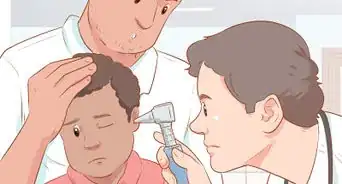
1Don't hesitate to talk to the pediatrician if you're concerned. Sure, it takes time for a kid to outgrow their fear, but if you think they're getting worse or if the fear's making it hard for your child to function, call the doctor. A doctor might refer you to a child psychiatrist who can find an underlying cause for anxiety.[12]
- You should also get your child professional care if they're having severe anxiety. They might withdraw from activities, be disruptive, or have panic attacks.[13]







References
- ↑ Peggy Rios, PhD. Counseling Psychologist (Florida). Expert Interview. 18 December 2020.
- ↑ https://www.mentalhealth.org.uk/sites/default/files/anxious_child.pdf
- ↑ https://www.mentalhealth.org.uk/sites/default/files/anxious_child.pdf
- ↑ https://www.zerotothree.org/resources/234-i-m-scared-responding-to-your-toddlers-fears
- ↑ https://www.mayoclinic.org/diseases-conditions/specific-phobias/diagnosis-treatment/drc-20355162
- ↑ https://childmind.org/article/help-children-manage-fears/
- ↑ https://www.psychologytoday.com/us/blog/singletons/201901/9-strategies-avoid-passing-your-fears-your-kids
- ↑ https://parenting.mountsinai.org/blog/helping-anxious-kids/
- ↑ https://www.urmc.rochester.edu/encyclopedia/content.aspx?contenttypeid=1&contentid=570
- ↑ https://www.urmc.rochester.edu/encyclopedia/content.aspx?contenttypeid=1&contentid=570
- ↑ https://childmind.org/article/help-children-manage-fears/
- ↑ https://www.urmc.rochester.edu/encyclopedia/content.aspx?contenttypeid=1&contentid=570
- ↑ Peggy Rios, PhD. Counseling Psychologist (Florida). Expert Interview. 18 December 2020.
About This Article