This article was co-authored by wikiHow staff writer, Jessica Gibson. Jessica Gibson is a Writer and Editor who's been with wikiHow since 2014. After completing a year of art studies at the Emily Carr University in Vancouver, she graduated from Columbia College with a BA in History. Jessica also completed an MA in History from The University of Oregon in 2013.
There are 8 references cited in this article, which can be found at the bottom of the page.
This article has been viewed 21,185 times.
Learn more...
If you're like most people, you look forward to your morning coffee or afternoon energy drink for a little pick me up. But have you ever had one of those days where you had just a little too much? If your heart is pounding, your hands are jittery, or your body feels restless, you're probably wondering how to get the caffeine out of your system fast. While you can't metabolize the caffeine any quicker, there are things you can do to manage these uncomfortable side effects.
Steps
Method 1
Method 1 of 9:Eat protein-rich food.
-
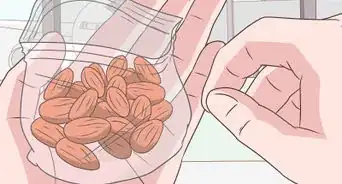
1Grab a bite to eat so there's something in your stomach other than caffeine. Although more research is needed, some people find that eating a protein-rich snack or meal really helps counteract caffeine jitters. Munch on a handful of nuts or make an easy meal of eggs and whole-grain toast, for instance.[1]
- Other great sources of protein include hummus, nut butter, deli meat, avocados, and Greek yogurt.
- You might notice that the effects of caffeine are worse if you consume it on an empty stomach so any snack is better than none.

Method 2
Method 2 of 9:Meditate or take deep breaths.
-
1Focused breathing exercises can reduce anxiety. If you're feeling nervous and your heart is racing, you might feel panicked. Calm your mind and help slow your body by taking deep breaths, meditating, or doing yoga. After a few minutes, you should feel a little more relaxed and comfortable as your body continues to break down the caffeine.[2]
- For a simple deep breathing technique, sit comfortably and close your eyes. Breathe in through your nose to the count of 4, then hold it for 4 counts. Breathe out to the count of 4 and hold it for 4 beats before inhaling again. Repeat the process until you feel yourself calming down.

Method 3
Method 3 of 9:Drink extra water.
-
1Staying hydrated can flush the excess caffeine from your body. To help get the caffeine out of your system faster, drink more water than usual. It will help you stay hydrated, too, which might help with the side effects of too much caffeine.[3]
- There isn't specific guidance about how many glasses of water to drink a day since people also get fluids from food we eat.[4]

Method 4
Method 4 of 9:Go for a walk or take an exercise break.
-
1Moving around helps you release some of your excess energy. Go for a short walk, take a run, or jump in the pool. If you don't have a lot of space or can't get out, do a few stretches.[5]
- Although exercise won't get the caffeine out of your body faster, it can help you use up the pent-up energy.
- While it's normal for your heart rate to increase when you're active if you notice it suddenly increase to a rapid pace, stop your exercise.

Method 5
Method 5 of 9:Drink an electrolyte-replacement beverage.
-
1Electrolyte-replacement drinks can prevent dehydration. If you've been experiencing these unpleasant side effects, your body is probably dehydrated. To help your body recover and replace lost electrolytes, drink an electrolyte solution or sports drink that has electrolytes.[6]
- You can try kids' electrolyte products or sports drinks that contain electrolytes—just check that they don't contain caffeine!

Method 6
Method 6 of 9:Take 100 to 200-mg of L-theanine.
-
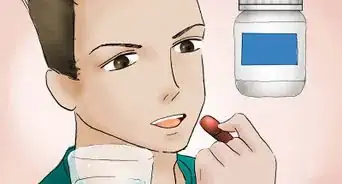
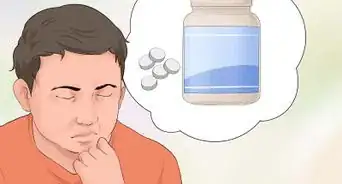
1Take this supplement if you usually have anxiety. L-theanine is an amino acid that you can buy in supplement form. Studies have shown that if you take L-theanine with caffeine, the L-theanine can decrease the jittery or anxiety-inducing effects of the caffeine. To take it, swallow a single 100 to 200-mg pill or stir dissolve a 100 to 200-mg packet in your coffee or energy drink.[7]
- It's fine to take L-theanine without your coffee, but you'll probably prevent jitters if you take it when you consume the caffeine.
- Check your local health food store, pharmacy, or supplement aisle at the grocery store for L-theanine supplements.
- You can also get L-theanine naturally from tea, but tea contains caffeine which you probably want to avoid.

Method 7
Method 7 of 9:Wait about 1 hour for the caffeine to peak.
-
1You'll probably notice the effects for about 3 to 5 hours. Caffeine works pretty quickly once you consume it—you probably notice its effects within 15 minutes and it peaks about 1 hour later. While you can try strategies to flush the caffeine out of your system, it will work its way out of your bloodstream within 10 hours on its own [8]
- Around half of the caffeine is usually out of your system 6 hours after you consume it.

Method 8
Method 8 of 9:Stop drinking caffeine at least 6 hours before bed.
-
1Give yourself a caffeine cut-off time if you struggle to fall asleep. It's really hard to calm down and turn your mind off if you have caffeine in your system. To make it easier to fall asleep, try stop drinking caffeine by early afternoon—some say around 2pm. This gives your body a lot of time to metabolize the caffeine so you're not alert as you try to get rest.[9]
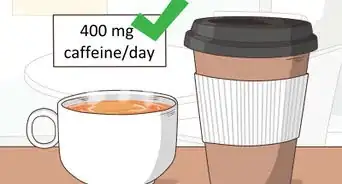
- Even though you're cutting off your caffeine intake, don't overdo how much you drink! Limit your daily caffeine consumption to around 300 or 400 mg. That's about 3 to 4 8 fl oz (240 mL) cups of brewed coffee.

Method 9
Method 9 of 9:Cut back on caffeine gradually in the future.
-
1Switch to decaf or limit your intake to prevent uncomfortable withdrawal symptoms. Some people seem to be more sensitive to caffeine than others. If you notice that even a little caffeine keeps you too alert, awake, or jittery, start drinking decaf. To make the transition smooth, alternate between drinking decaf and regular coffee. Then, start drinking decaf more often.[10]
- Are you an energy drinker? Make a plan to cut back on the number of drinks you consume in a day. You might just drink one in the morning and the afternoon, for instance, instead of drinking more later in the evening.




References
- ↑ https://www.psycom.net/anxiety-and-caffeine
- ↑ https://rightasrain.uwmedicine.org/body/food/too-much-caffeine
- ↑ https://my.clevelandclinic.org/health/articles/15496-caffeine-how-to-hack-it-and-how-to-quit-it
- ↑ https://www.nationalacademies.org/news/2004/02/report-sets-dietary-intake-levels-for-water-salt-and-potassium-to-maintain-health-and-reduce-chronic-disease-risk
- ↑ https://rightasrain.uwmedicine.org/body/food/too-much-caffeine
- ↑ https://rightasrain.uwmedicine.org/body/food/too-much-caffeine
- ↑ http://pitjournal.unc.edu/article/improving-college-exam-performance-l-theanine-and-caffeine
- ↑ https://my.clevelandclinic.org/health/articles/15496-caffeine-how-to-hack-it-and-how-to-quit-it
- ↑ https://www.psychologytoday.com/us/blog/sleep-newzzz/201312/new-details-caffeine-s-sleep-disrupting-effects
About This Article