This article was co-authored by Zora Degrandpre, ND and by wikiHow staff writer, Hunter Rising. Dr. Degrandpre is a Licensed Naturopathic Physician in Vancouver, Washington. She is also a grant reviewer for the National Institutes of Health and the National Center for Complementary and Alternative Medicine. She received her ND from the National College of Natural Medicine in 2007.
There are 21 references cited in this article, which can be found at the bottom of the page.
wikiHow marks an article as reader-approved once it receives enough positive feedback. In this case, 100% of readers who voted found the article helpful, earning it our reader-approved status.
This article has been viewed 490,260 times.
Hemorrhoids occur when veins swell around your anus, causing pain when you need to sit or use the bathroom. Even though hemorrhoids may make you feel embarrassed, they’re a common problem and luckily, there are many ways you can relieve your discomfort. Keep reading for plenty of at-home remedies, preventative tips, and pieces of medical advice that will help you feel better in no time.
Steps
Method 1
Method 1 of 18:Take pain relievers to reduce your swelling and irritation.
-
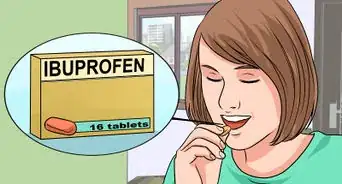
1You can take 200- or 300-milligram tablets of acetaminophen or ibuprofen. Only take 1 dose at a time and wait about 30 minutes to feel relief. If you still have pain 4–6 hours later, it’s okay for you to take another pain reliever.[1]

Method 2
Method 2 of 18:Apply witch hazel ointment to your hemorrhoids.
-
1This ointment can help reduce swelling. Squeeze a fingertip-sized amount of the ointment onto your finger or a cotton applicator pad. Gently rub the ointment onto your hemorrhoids to start feeling instant relief. Be sure to wash your hands thoroughly with soap and water immediately after you apply the cream so you don’t spread any bacteria. Use your ointment up to 4 times daily for 1 week to see if it shrinks your hemorrhoids.[4]
- Wear disposable gloves while applying your ointment if you have them so you stay sanitary.
- You may also find pads pre-soaked in witch hazel so it’s easier to wipe your hemorrhoids without touching them directly.
- Witch hazel contains natural anti-inflammatories and antioxidants, which means it will bring down your swelling and reduce your pain.[5]
Variation: Some creams have long applicator nozzles that go into your rectum to treat internal hemorrhoids. Lubricate the outside of the nozzle with the cream so it’s easier to insert. Lie on your left side so your bottom leg is straight out and pull your right leg up toward your chest to form a 90-degree angle. Slowly push the nozzle into your rectum before squeezing out the ointment. Stay still for about 5 minutes to ensure it absorbs into your system.

Method 3
Method 3 of 18:Moisten your toilet paper before you use it.
-
1The cool water will help soothe your pain so it doesn’t hurt as much. Use cold water from your bathroom sink to lightly wet your toilet paper right before you wipe. Be careful not to get the toilet paper too wet, or else it will rip or fall apart.[6]
- You can also use baby wipes, but don’t flush them down your toilet since they could clog your pipes. Throw them in a trash can instead and take out your trash every few days to avoid odors.
- Don’t apply a lot of pressure while you’re wiping since you could cause more irritation.

Method 4
Method 4 of 18:Hold ice against your hemorrhoids.
-
1The cold may help ease your discomfort. Fill a plastic sandwich bag with ice and wrap a towel around it. You can use the ice over your clothes or put the towel directly against your skin. Keep the ice there for up to 15–20 minutes at a time to bring down your swelling and ease your discomfort.[7]
- Don’t put the ice directly against your skin or leave it on for longer than 20 minutes since it could damage your nerves.
- If you place the towel and ice on your skin rather than over your clothes, be sure to wash it after each time you use it.

Method 5
Method 5 of 18:Soak in a shallow bath to help relieve your pain.
-
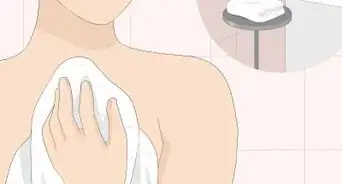
1The heat from the water will help reduce your swelling so your hemorrhoids don’t feel as painful. Fill your tub with at least 6–8 inches (15–20 cm) of the warmest water you can tolerate. Sit down in the bath so your hemorrhoids are completely submerged, but don’t put any pressure on them. Keep soaking for 15–20 minutes at a time before getting out and patting yourself dry. You can do this as many times as you want throughout the day.[8] [[Image:Reduce Hemorrhoid Pain Step 5 Version 5.jpg|center]
- You can also buy a sitz bath that fits inside your toilet seat so it’s easy to drain and clean. Just fill it with water from your tub before putting it on your toilet. When you’re finished, just pour the water into your toilet and disinfect the sitz bath with an all-purpose cleaner.
Method 6
Method 6 of 18:Rub an Epsom salt and glycerin solution on your hemorrhoids to treat pain.
-
1Epsom salt contains magnesium, which helps reduce redness and swelling. Combine 2 tablespoons (30 g) of Epsom salt with 2 tablespoons (30 ml) of glycerin until they’re thoroughly combined. Put the mixture on a gauze applicator pad and place it against your hemorrhoid. Leave the pad in place for 15–20 minutes to help you get rid of your pain. Throw the pad out immediately when you’re finished using it and wash your hands with soap. You can do this once every 4–6 hours to get relief throughout the day.[9]
- You can buy glycerin at your local pharmacy.

Method 7
Method 7 of 18:Try not to strain while going to the bathroom.
-
1Forcing yourself to poop can make your hemorrhoids feel worse or even cause them.[10] Lean forward so your elbows are on your knees and keep your spine straight. If you can, use a squatting position so your knees are higher than your hips to make it easier for you to go.[11]
- Try to go to the bathroom as soon as you feel the urge since it may be more difficult if you wait.

Method 8
Method 8 of 18:Eat foods that are high in fiber.
-
1Fiber makes it easier to pass a bowel movement. Avoid foods that have refined sugars since they aren’t as nutritious as complex carbs. Opt for foods like whole-wheat bread and pasta, brown rice, broccoli, peas, apples, and bananas.[12] Aim to have between 20–40 grams of fiber daily so you don’t get constipated.[13]
- For example, 1 slice of whole-wheat bread has 2 grams of fiber, 1 cup (150 g) of peas has 9 grams, and a medium-sized apple has 4.5 grams.
- Other foods that contain good sources of fiber include spinach, cauliflower, beans, granola, and almonds.

Method 9
Method 9 of 18:Refrain from eating processed or greasy foods.
-
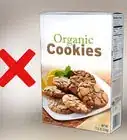
1Processed foods don’t contain as many nutrients and are harder to digest. This means that they may put more strain on your body. Try to cut fast food and processed snacks from your diet as much as possible. Instead, opt for a piece of fruit or an organic granola bar to get nutrients and fiber.[14]
- Bake, grill, or pan-sear your meals so they aren’t as greasy or oily.

Method 10
Method 10 of 18:Drink 8 glasses of water throughout the day.
-
1Water combines with the fiber and waste in your digestive system and helps soften your stool. Aim to have 8 glasses of water during the day that are each around 8 fluid ounces (240 ml) each.[15] Try incorporating 100% fruit juice, decaf tea, or low-fat milk to help you stay hydrated. However, stay away from soda and other sugary beverages since they can dehydrate and constipate you.[16]

Method 11
Method 11 of 18:Cut back on alcoholic and caffeinated beverages.
-
1Alcohol and caffeine can stress out your body and make your hemorrhoids feel more painful. Try to cut out coffee, soda, and any alcohol you drink while you have hemorrhoids so they don’t flare up with pain. Once your hemorrhoids go away, you can reintroduce them back to your diet.[17]

Method 12
Method 12 of 18:Exercise for 30 minutes 4–5 times a week so you don’t get constipated.
-
1Exercise makes it easier to pass bowel movements. Set aside time in your schedule where you can get active so your body stays healthy. Try a variety of workouts, such as biking, jogging, swimming, or lifting weights, to exercise your entire body. As you work out, your body will digest food better to get more nutrients, which will make it easier for you to use the bathroom.[18]
Tip: Even if you don’t work out regularly, try taking a short walk after you eat a meal so your food settles in your stomach and digests better.

Method 13
Method 13 of 18:Try using a stool softener.
-
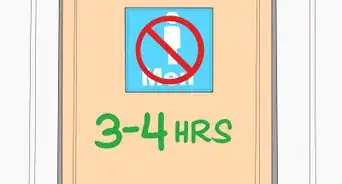
1Stool softeners make it easier for you to poop. Choose a stool softener or fiber supplement containing psyllium or methylcellulose to get the best effects. Take 1 dose of the stool softener daily to help prevent constipation and make you feel more comfortable when you’re using the bathroom. Only use stool softeners for up to 7 days.[19]
- Avoid using stool softeners if you’re pregnant or breastfeeding.[20]

Method 14
Method 14 of 18:Insert a rectal suppository.
-
1This can help soothe hemorrhoid pain and constipation. Suppositories are laxatives that help soften your stool so you don’t feel as much pain when you use the bathroom. Wet the pointed end of the suppository with cold water or the lubricant provided in the package. Lie on your left side and bring your left leg up to your chest so it makes a 90-degree angle. Slowly push the suppository into your anus as deep as your finger and stay still for about 5 minutes. Slowly pull out your finger and wash your hands thoroughly with soap.[21]
- Suppositories usually work within 15–60 minutes.
- Don’t use suppositories if you’re pregnant or breastfeeding.[22]
- Avoid taking a rectal suppository by mouth since it will not be effective.

Method 15
Method 15 of 18:Get medical attention for any pain or discomfort in your anus.
-
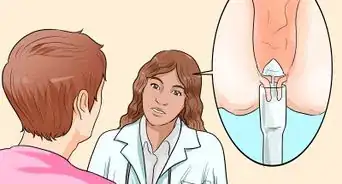
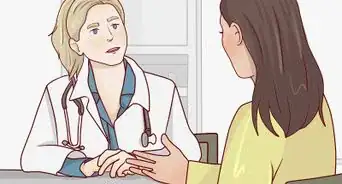
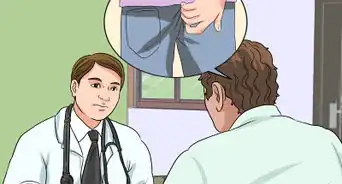
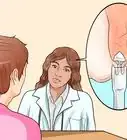
1A doctor can confirm if hemorrhoids are the problem or not. While hemorrhoids often cause pain and discomfort, there may be other causes for your pain, such as anal fissures, infections, constipation, or a fistula. Contact your doctor to let them know about your symptoms and how long you’ve been experiencing them. They may perform a rectal exam to confirm if you have hemorrhoids or not.[23]
- Sometimes a blood vessel in your anus can rupture and form a clot, causing severe pain and swelling. You may need medical treatment to deal with this type of hemorrhoid.

Method 16
Method 16 of 18:Call your doctor right away if you experience rectal bleeding.
-
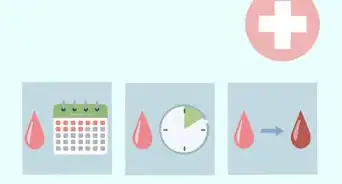
1Your doctor can make sure nothing serious is at play. If you see bright red blood on your toilet paper or in the toilet, make an appointment to get an exam from your doctor. You should also contact your doctor if your stool looks black or has the appearance of coffee grounds. While rectal bleeding is a common symptom of hemorrhoids, it may also signal that you have a more serious condition, such as anal fissures or bowel disease.[24]
- It’s especially important to get rectal bleeding evaluated if you’re over 40 or have other symptoms, such as changes in the color or consistency of your bowel movements since it could potentially be a sign of rectal or colon cancer.
- Call emergency services or go to the emergency room if you have bleeding that won’t stop and if you feel dizzy or faint.

Method 17
Method 17 of 18:Go to the doctor for hemorrhoids that don’t improve within a week.
-
1They will check for any serious complications or underlying problems. If you’ve been using home treatments on your hemorrhoids for 7 days and they haven’t improved, schedule an appointment with your doctor. They can give you a thorough exam before recommending a specific treatment.[25]
- If you get a high fever or your hemorrhoid leaks pus, contact your doctor immediately since you may have a more serious infection.

Method 18
Method 18 of 18:Discuss surgery as a last resort.
-
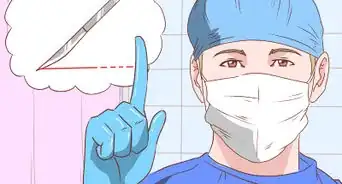
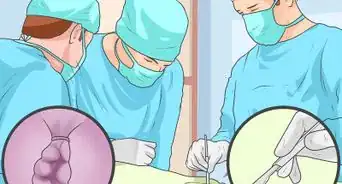
1Surgery may be an option if home treatments aren’t working. They may inject hemorrhoids to shrink them, cauterize them, or remove them completely if they're large.[26]
- Some hemorrhoid surgery methods do not require any cutting. Sometimes hemorrhoids can be dealt with using a simple procedure, such as shrinking them with a laser.

Expert Q&A
-
QuestionDoes pain from piles happen before or after the piles occur?
 Zora Degrandpre, NDDr. Degrandpre is a Licensed Naturopathic Physician in Vancouver, Washington. She is also a grant reviewer for the National Institutes of Health and the National Center for Complementary and Alternative Medicine. She received her ND from the National College of Natural Medicine in 2007.
Natural Health DoctorThe pain can start before the piles are obvious, especially if they are internal piles. The pain usually occurs during a bowel movement, so increasing the softness of the stool can reduce the pain.
Warnings
- Talk to your doctor if your hemorrhoids don’t improve after 7 days or you get them consistently.[29]Thanks!
- Avoid using apple cider vinegar or tea tree oil since they haven’t been well-studied or could cause more irritation.[30]Thanks!
- Call emergency services if you have a high fever, experience hot or cold flashes, or have pus leaking from your hemorrhoid.[31]Thanks!

References
- ↑ https://newsnetwork.mayoclinic.org/discussion/home-remedies-relief-from-hemorrhoids/
- ↑ https://www.health.harvard.edu/pain/acetaminophen-safety-be-cautious-but-not-afraid
- ↑ https://www.nhs.uk/conditions/piles-haemorrhoids/
- ↑ https://newsnetwork.mayoclinic.org/discussion/home-remedies-relief-from-hemorrhoids/
- ↑ https://health.clevelandclinic.org/7-best-and-worst-home-remedies-for-your-hemorrhoids/
- ↑ https://www.nhs.uk/conditions/piles-haemorrhoids/
- ↑ https://www.nhs.uk/conditions/piles-haemorrhoids/
- ↑ https://uhs.berkeley.edu/sites/default/files/Hemorrhoids.pdf
- ↑ https://health.clevelandclinic.org/7-best-and-worst-home-remedies-for-your-hemorrhoids/
- ↑ https://health.clevelandclinic.org/5-simple-ways-you-can-prevent-hemorrhoids/
- ↑ https://www.health.qld.gov.au/news-events/news/how-to-poo-properly-sit-squat-healthy
- ↑ http://www.mayoclinic.org/healthy-living/nutrition-and-healthy-eating/in-depth/high-fiber-foods/art-20050948
- ↑ https://www.mayoclinic.org/diseases-conditions/hemorrhoids/diagnosis-treatment/drc-20360280
- ↑ https://www.niddk.nih.gov/health-information/digestive-diseases/hemorrhoids/eating-diet-nutrition
- ↑ https://www.mayoclinic.org/healthy-lifestyle/nutrition-and-healthy-eating/in-depth/water/art-20044256
- ↑ https://www.niddk.nih.gov/health-information/digestive-diseases/hemorrhoids/eating-diet-nutrition
- ↑ https://www.nhs.uk/conditions/piles-haemorrhoids/
- ↑ https://health.clevelandclinic.org/5-simple-ways-you-can-prevent-hemorrhoids/
- ↑ https://www.niddk.nih.gov/health-information/digestive-diseases/hemorrhoids/treatment
- ↑ https://medlineplus.gov/druginfo/meds/a601113.html
- ↑ https://www.niddk.nih.gov/health-information/digestive-diseases/hemorrhoids/treatment
- ↑ https://www.drugs.com/mtm/glycerin-rectal.html
- ↑ https://www.mayoclinic.org/diseases-conditions/hemorrhoids/symptoms-causes/syc-20360268
- ↑ https://www.mayoclinic.org/diseases-conditions/hemorrhoids/symptoms-causes/syc-20360268
- ↑ https://www.nhs.uk/conditions/piles-haemorrhoids/
- ↑ https://www.mayoclinic.org/diseases-conditions/hemorrhoids/diagnosis-treatment/drc-20360280
- ↑ https://www.nhs.uk/conditions/piles-haemorrhoids/
- ↑ https://health.clevelandclinic.org/5-simple-ways-you-can-prevent-hemorrhoids/
- ↑ https://www.nhs.uk/conditions/piles-haemorrhoids/
- ↑ https://health.clevelandclinic.org/7-best-and-worst-home-remedies-for-your-hemorrhoids/
- ↑ https://www.nhs.uk/conditions/piles-haemorrhoids/
About This Article
To reduce hemorrhoid pain, try soaking in a tub of warm water with Epsom salts to ease your discomfort. If you don’t have time to make a bath, you can also apply a warm, wet, cotton washcloth to the area a few times a day to relieve pain. As your hemorrhoids heal, consider taking an over-the-counter stool softener, which will make your bowel movements less painful. You should also avoid straining when you do go to the bathroom, which can make your hemorrhoids worse. Instead, try the “breathe push” method by sitting up straight, taking a big, deep breath, and slowly exhaling to gently push out the stool. If your hemorrhoids don’t go away in a week, or if they get worse, make sure to see your doctor for treatment. To learn how to change your diet to prevent hemorrhoids, read more from our Medical co-author.















































Medical Disclaimer
The content of this article is not intended to be a substitute for professional medical advice, examination, diagnosis, or treatment. You should always contact your doctor or other qualified healthcare professional before starting, changing, or stopping any kind of health treatment.
Read More...