This article was medically reviewed by Dale Prokupek, MD and by wikiHow staff writer, Megaera Lorenz, PhD. Dale Prokupek, MD is a board-certified Internist and Gastroenterologist who runs a private practice based in Los Angeles, California. Dr. Prokupek is also a staff physician at Cedars-Sinai Medical Center and an associate clinical professor of medicine at the Geffen School of Medicine at the University of California, Los Angeles (UCLA). Dr. Prokupek has over 30 years of medical experience and specializes in the diagnosis and treatment of diseases of the liver, stomach, and colon, including chronic hepatitis C, colon cancer, hemorrhoids, anal condyloma, and digestive diseases related to chronic immune deficiency. He holds a BS in Zoology from the University of Wisconsin – Madison and an MD from the Medical College of Wisconsin. He completed an internal medicine residency at Cedars-Sinai Medical Center and a gastroenterology fellowship at the UCLA Geffen School of Medicine.
There are 16 references cited in this article, which can be found at the bottom of the page.
wikiHow marks an article as reader-approved once it receives enough positive feedback. In this case, 100% of readers who voted found the article helpful, earning it our reader-approved status.
This article has been viewed 1,005,755 times.
Gas and bloating are a natural result of the digestion process, but too much gas can be painful or embarrassing. Luckily, you can often reduce those unpleasant symptoms by making a few simple changes to your diet. Keep reading for tips on how to get relief.
Steps
Method 1
Method 1 of 12:Relieve gas pains with a hot pad.
-
1You can also use a hot water bottle. For quick relief of abdominal pain caused by gas and bloating, lie down and lay a hot water bottle or warm compress across your stomach. The heat may help soothe your pain until the bloating subsides.[1]
- To avoid burns, don’t sleep with a heating pad on your body. Only use the pad for 15-30 minutes per hour, then take a break to let your skin cool.[2]
- If your heating pad doesn’t have a cloth cover, lightly wrap a towel around it to protect your skin.
Advertisement

Method 2
Method 2 of 12:Soothe your stomach with mint or chamomile tea.
-
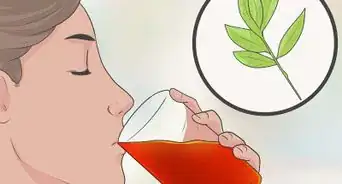
1These herbs may reduce excess gas and bloating. Buy mint or chamomile teabags, or use fresh mint leaves or dried chamomile flowers. Steep the ingredients in hot water for a few minutes and then slowly sip the tea. Other herbs and spices that may help include:[3]
- Anise
- Caraway
- Coriander
- Turmeric
- Fennel

Method 3
Method 3 of 12:Eat slowly and chew your food well.
-
1Chewing your food thoroughly makes it easier to digest. That means those gassy bacteria in your gut will have less food to break down. Take small bites, chew them up thoroughly, and avoid gulping down your food and drink.[4]
- Eating too fast also puts you at risk of swallowing air.
- To make yourself slow down, put your fork down after every bite.
Advertisement

Method 4
Method 4 of 12:Avoid chewing gum or sucking hard candies.
-
1Chewing gum can cause you to swallow excess air. When you gulp air into your stomach, it creates excess gas, leading to belching, bloating, and discomfort. Be careful about sucking on candies or drinking through a straw, as well.[5]
- Instead of drinking through a straw, sip directly from the cup.
- Smoking can also make you swallow a lot of air, so consider that another good reason to work on quitting!

Method 5
Method 5 of 12:Steer clear of common foods that cause gas.
-
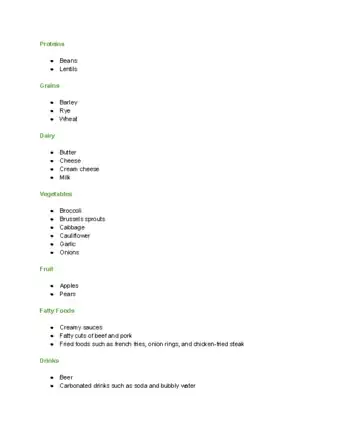
1High-fiber vegetables are a major cause of bloating and gas. Gas forms when bacteria break down undigested food in your colon.[6] This is totally normal, but you might find that some foods give you a lot more gas than others. For example, you might want to cut back on:[7]
- Certain vegetables and fruits, such as beans, peas, and other legumes, broccoli and cauliflower, cabbage, brussels sprouts, apples, peaches, prunes, and whole wheat.
- Artificial sweeteners like sorbitol and mannitol.
- Soda and other carbonated drinks, which can cause air bubbles to get trapped in your stomach.
- Fried, greasy, or fatty foods, which can slow down digestion and trap gas in your intestines longer.
- Foods like garlic, eggs, and fish won’t necessarily cause more gas, but they can make your gas smell a lot worse.[8]
Advertisement

Method 6
Method 6 of 12:Go dairy-free if you have lactose intolerance.
-
1Dairy can cause painful gas and bloating in some people. Cow milk contains lactose, which disagrees with many people's digestion.[9] If dairy triggers your symptoms, avoid milk, cheese, ice cream, and other dairy products made with lactose milk. If you’re not ready to cut out dairy completely, try drinking only small amounts of milk or sticking to yogurt or hard cheeses, which many people find easier to digest.[10]
- You can find a variety of dairy alternatives in most grocery stores. Popular options include soy, almond, rice, and oat milk.
- You can also reduce your symptoms by taking lactase supplements before you eat or drink dairy. Talk to your doctor before trying lactase supplements, especially if you’re pregnant, breastfeeding, or taking other medications or supplements.[11]


Method 7
Method 7 of 12:Limit simple carbohydrates and sugars.
-
1Carb intolerance can cause bloating, cramps, and heartburn. If you always feel icky after eating bread, baked goods, or candy, you might have a problem digesting simple carbs. Cut back on sweets and products made with refined flour, like white bread or pasta. You may notice a big difference in how you feel![12]
- Carbs are still an important part of your diet, so don’t cut them out completely. Stick to foods that are rich in healthy, complex carbs, such as starchy vegetables, whole grains, and fruit.
- Don't replace sugars with artificial sweeteners, as they can also cause bloating.
Advertisement

Method 8
Method 8 of 12:Avoid gluten if you have an allergy or intolerance.
-
1Gluten is a protein found in certain grain products. If you're sensitive to gluten, you may experience bloating and gas after eating it. The best way to avoid bloating and gas is to cut out products that contain gluten.[13]
- Gluten is typically found in bread, baked goods, pasta, seasonings, and similar items. Read labels to look for products that are labeled as "gluten-free."
- Your doctor or a dietitian can help you determine if you have gluten sensitivity or intolerance.

Method 9
Method 9 of 12:Ask your doctor about activated charcoal supplements.
-
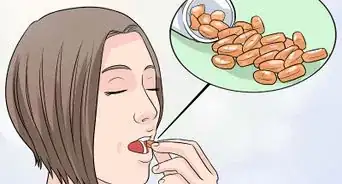
1Activated charcoal may absorb excess gas. Some studies show that it’s especially effective when you combine it with gas-relief medications like simethicone (Gas-X).[14] Check the instructions on the package to figure out how much to take and whether to use it before or after a meal.
- Ask your doctor before taking any supplements, especially if you're already taking other medications. Activated charcoal may prevent your body from absorbing some medications properly.[15]
- Possible side effects of activated charcoal include staining of the tongue, black stools, and constipation.
Advertisement

Method 10
Method 10 of 12:Take over-the-counter gas relief medicines before you eat.
-
1Most OTC gas medicines work by preventing gas. Before your next meal, try a digestive enzyme supplement such as Beano or BeanAssist. These medicines break down the hard-to-digest carbohydrates that tend to cause bloating and gas.[16]
- Simethicone-based medications, such as Gas-X or Mylanta Gas Minis, are intended to break down gas bubbles that have already formed in your gut. However, it’s not clear how effective these medicines really are.
- Always read the directions on the package before using an over-the-counter medication to treat or prevent gas. Talk to your doctor or pharmacist first if you have a medical condition or are taking other medicines or supplements.

Method 11
Method 11 of 12:Let out gas instead of trying to hold it.
-
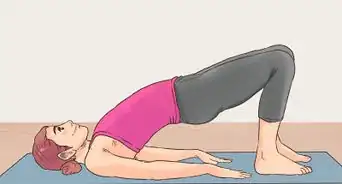
1You’ll feel a lot better once you relieve the pressure. When you’re gassy, it can feel embarrassing to just let it rip. But remember, passing gas is a necessary and normal part of the digestion process. Holding it in will just make you feel more bloated and uncomfortable. Instead of holding it, find a comfortable place to release your gas.[17]
- If you are in public when a bout of gas or bloating strikes, find a bathroom where you can stay until the pain has subsided.
- Moving around can help, too. Take a brisk walk around the block or walk up and down a set of stairs to help the gas make its way out.
Advertisement

Method 12
Method 12 of 12:See your doctor for frequent or severe symptoms.
-
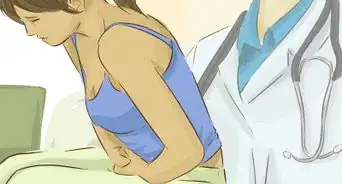
1A little gas is normal, but too much can signal a problem. If you have painful bloating or excess flatulence daily, the issue may extend beyond what you can fix by changing your diet.[18] See your doctor if you have frequent gas pains that interfere with your daily life, or if you have severe symptoms such as bloody stools, diarrhea or constipation, weight loss you can’t explain, or frequent nausea or vomiting.[19] You may have a condition such as:
- Irritable bowel syndrome (IBS). IBS affects your colon and causes cramping and diarrhea when you consume certain foods.[20]
- Celiac disease. This is a digestive disorder triggered by eating gluten, a protein found in bread and other food products containing wheat, barley, or rye.[21]
- Crohn's disease, a gastrointestinal disorder that can become severe if not treated effectively.[22]

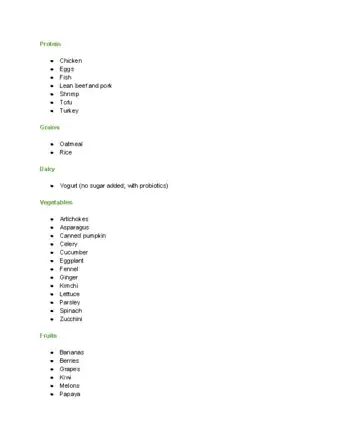
Foods to Eat and Avoid
Expert Q&A
Did you know you can get premium answers for this article?
Unlock premium answers by supporting wikiHow
-
QuestionWhy am I so bloated and gassy at night?
 Peter Gardner, MDPeter W. Gardner, MD is a board certified physician who has practiced Gastroenterology and Hepatology for over 30 years. He specializes in diseases of the digestive system and liver. Dr. Gardner earned his Bachelor’s degree from the University of North Carolina and attended Georgetown Medical School. He completed his residency in Internal Medicine and then his fellowship in Gastroenterology at the University of Connecticut. He is a previous Chief of Gastroenterology at Stamford Hospital and remains on the staff. He is also on the staff of Greenwich Hospital and New York (Columbia) Presbyterian Hospital. Dr. Gardner is an Approved Consultant in Internal Medicine and Gastroenterology with the American Board of Internal Medicine.
Board Certified GastroenterologistYou might be eating too quickly. Slowing down how you eat also prevents you from swallowing as much air as you do when eating quickly, so bloating and burping won't occur as often.
Support wikiHow by unlocking this expert answer.
-
QuestionWhy do I feel bloated all the time?Peter Gardner, MDPeter W. Gardner, MD is a board certified physician who has practiced Gastroenterology and Hepatology for over 30 years. He specializes in diseases of the digestive system and liver. Dr. Gardner earned his Bachelor’s degree from the University of North Carolina and attended Georgetown Medical School. He completed his residency in Internal Medicine and then his fellowship in Gastroenterology at the University of Connecticut. He is a previous Chief of Gastroenterology at Stamford Hospital and remains on the staff. He is also on the staff of Greenwich Hospital and New York (Columbia) Presbyterian Hospital. Dr. Gardner is an Approved Consultant in Internal Medicine and Gastroenterology with the American Board of Internal Medicine.
Board Certified GastroenterologistBloating is typically caused by swallowing air. Soda, for example, can make you bloated due to the air bubbles. Bloating can also be caused by something you've eaten that's fermenting in your bowel and creating gas. Eating dairy, for example, can also cause tremendous gas and bloating if you are lactose intolerant.Support wikiHow by unlocking this expert answer.
-
QuestionWhat can I do if I bloat every time I eat?Peter Gardner, MDPeter W. Gardner, MD is a board certified physician who has practiced Gastroenterology and Hepatology for over 30 years. He specializes in diseases of the digestive system and liver. Dr. Gardner earned his Bachelor’s degree from the University of North Carolina and attended Georgetown Medical School. He completed his residency in Internal Medicine and then his fellowship in Gastroenterology at the University of Connecticut. He is a previous Chief of Gastroenterology at Stamford Hospital and remains on the staff. He is also on the staff of Greenwich Hospital and New York (Columbia) Presbyterian Hospital. Dr. Gardner is an Approved Consultant in Internal Medicine and Gastroenterology with the American Board of Internal Medicine.
Board Certified GastroenterologistTry eating small, frequent meals throughout the day instead of three big meals. You should also avoid laying down or going to sleep right after you've eaten. Try not to lie down for ideally three hours, but at least two hours, after eating.Support wikiHow by unlocking this expert answer.
-
QuestionDoes seltzer water reduce gas?
 Luba Lee, FNP-BC, MSLuba Lee, FNP-BC is a board certified Family Nurse Practitioner (FNP) and educator in Tennessee with over a decade of clinical experience. Luba has certifications in Pediatric Advanced Life Support (PALS), Emergency Medicine, Advanced Cardiac Life Support (ACLS), Team Building, and Critical Care Nursing. She received her Master of Science in Nursing (MSN) from the University of Tennessee in 2006.
Master's Degree, Nursing, University of Tennessee KnoxvilleNo, seltzer will worsen gas, as it's carbonated. For a better option, choose lukewarm water or chamomile tea.Support wikiHow by unlocking this expert answer.
-
QuestionCan ulcers cause mass production of gas in the stomach?Luba Lee, FNP-BC, MSLuba Lee, FNP-BC is a board certified Family Nurse Practitioner (FNP) and educator in Tennessee with over a decade of clinical experience. Luba has certifications in Pediatric Advanced Life Support (PALS), Emergency Medicine, Advanced Cardiac Life Support (ACLS), Team Building, and Critical Care Nursing. She received her Master of Science in Nursing (MSN) from the University of Tennessee in 2006.
Master's Degree, Nursing, University of Tennessee KnoxvilleUsually, ulcers themselves don't produce a lot of gas. However, they can be accompanied by disbiosis or a small intestinal bacterial overgrowth, which can cause gas and bloating.Support wikiHow by unlocking this expert answer.
-
QuestionHow do I prevent loud, smelly and embarrassing flatulence? I'm diabetic and am on a lot of medication throughout the day!
 Stephen Chow, MDDr. Chow is an Internal Medicine Physician in Jackson, Mississippi. Dr. Chow received his MD from the Medical University of the Americas 2014 and completed his residency at the University of Mississippi Medical Center. He is a member of the American Board of Internal Medicine.
Internal Medicine PhysicianSome diabetic medications can increase flatulence. For example, metformin has frequent adverse effects, including diarrhea, bloating, and flatulence. However, this is a great drug, and often the first line of therapy in people with type II diabetes or prediabetes. Other, more expensive, options would be to consider GLP-1 and DPP-IV inhibitors (fewer side effects) or oral sulfonylureas, PPARs, etc (more side effects).Support wikiHow by unlocking this expert answer.
-
QuestionI started eating cereal for breakfast, and that's when the bloating started. I used to drink a cup of black tea, but it made me hungrier and sometimes got ulcers. What should I do?Luba Lee, FNP-BC, MSLuba Lee, FNP-BC is a board certified Family Nurse Practitioner (FNP) and educator in Tennessee with over a decade of clinical experience. Luba has certifications in Pediatric Advanced Life Support (PALS), Emergency Medicine, Advanced Cardiac Life Support (ACLS), Team Building, and Critical Care Nursing. She received her Master of Science in Nursing (MSN) from the University of Tennessee in 2006.
Master's Degree, Nursing, University of Tennessee KnoxvilleYou may be sensitive to gluten. Try to replace your cereal or black tea with raw ground flax seed meal, along with a spoon full of coconut oil. You could try going gluten free or doing an elimination diet to identify the cause of your bloating and gas. Keep a food diary to track what you're eating and how you feel.Support wikiHow by unlocking this expert answer.
-
QuestionThe gas in my stomach makes a lot of noise. What should I do?
 Chris M. Matsko, MDDr. Chris M. Matsko is a retired physician based in Pittsburgh, Pennsylvania. With over 25 years of medical research experience, Dr. Matsko was awarded the Pittsburgh Cornell University Leadership Award for Excellence. He holds a BS in Nutritional Science from Cornell University and an MD from the Temple University School of Medicine in 2007. Dr. Matsko earned a Research Writing Certification from the American Medical Writers Association (AMWA) in 2016 and a Medical Writing & Editing Certification from the University of Chicago in 2017.
Family Medicine PhysicianThis is when you are bloated. Check out How to Cure Stomach Bloating, and the remedies there.Support wikiHow by unlocking this expert answer.
-
QuestionCan chewing ginger help to reduce gas in the stomach?Chris M. Matsko, MDDr. Chris M. Matsko is a retired physician based in Pittsburgh, Pennsylvania. With over 25 years of medical research experience, Dr. Matsko was awarded the Pittsburgh Cornell University Leadership Award for Excellence. He holds a BS in Nutritional Science from Cornell University and an MD from the Temple University School of Medicine in 2007. Dr. Matsko earned a Research Writing Certification from the American Medical Writers Association (AMWA) in 2016 and a Medical Writing & Editing Certification from the University of Chicago in 2017.
Family Medicine PhysicianChewing Ginger may relax the stomach, but I am not sure if it will prevent gas formation.Support wikiHow by unlocking this expert answer.
Warnings
- Don't remove a food group from your diet or start taking new supplements or medications without first consulting your doctor.Thanks!

References
- ↑ https://www.scripps.org/news_items/6821-stomach-pain-in-kids-and-teens
- ↑ http://www.machtmedicalgroup.com/2012/01/how-to-use-a-heating-pad-safely/
- ↑ https://www.brighamandwomens.org/patients-and-families/meals-and-nutrition/bwh-nutrition-and-wellness-hub/special-topics/gas-beat-the-bloat
- ↑ https://www.mayoclinic.org/diseases-conditions/gas-and-gas-pains/diagnosis-treatment/drc-20372714
- ↑ https://www.mayoclinic.org/diseases-conditions/gas-and-gas-pains/diagnosis-treatment/drc-20372714
- ↑ https://www.hopkinsmedicine.org/health/conditions-and-diseases/gas-in-the-digestive-tract
- ↑ https://www.mayoclinic.org/diseases-conditions/gas-and-gas-pains/diagnosis-treatment/drc-20372714
- ↑ https://iffgd.org/gi-disorders/symptoms-causes/intestinal-gas/tips-on-controlling-gas/
- ↑ Peter Gardner, MD. Board Certified Gastroenterologist. Expert Interview. 25 August 2020
- ↑ https://www.niddk.nih.gov/health-information/digestive-diseases/lactose-intolerance
- ↑ https://www.niddk.nih.gov/health-information/digestive-diseases/lactose-intolerance/treatment#lactase
- ↑ https://wexnermedical.osu.edu/blog/carb-intolerance
- ↑ https://newsinhealth.nih.gov/2016/05/going-gluten-free
- ↑ https://connect.uclahealth.org/2018/10/22/does-activated-charcoal-help-with-gas-and-bloating/
- ↑ https://www.mayoclinic.org/diseases-conditions/gas-and-gas-pains/diagnosis-treatment/drc-20372714
- ↑ https://www.mayoclinic.org/diseases-conditions/gas-and-gas-pains/diagnosis-treatment/drc-20372714
- ↑ https://badgut.org/information-centre/a-z-digestive-topics/gas-leaks/
- ↑ Peter Gardner, MD. Board Certified Gastroenterologist. Expert Interview. 25 August 2020
- ↑ https://www.mayoclinic.org/diseases-conditions/gas-and-gas-pains/symptoms-causes/syc-20372709
- ↑ https://www.mayoclinic.org/diseases-conditions/irritable-bowel-syndrome/symptoms-causes/syc-20360016
- ↑ https://www.mayoclinic.org/diseases-conditions/celiac-disease/symptoms-causes/syc-20352220
- ↑ Peter Gardner, MD. Board Certified Gastroenterologist. Expert Interview. 25 August 2020
- ↑ https://www.mayoclinic.org/diseases-conditions/gas-and-gas-pains/diagnosis-treatment/drc-20372714
About This Article

Medical Disclaimer
The content of this article is not intended to be a substitute for professional medical advice, examination, diagnosis, or treatment. You should always contact your doctor or other qualified healthcare professional before starting, changing, or stopping any kind of health treatment.
To reduce bloating and gas, try to avoid holding the gas inside, since this builds up pressure in your abdomen, and find a private place where you can pass it instead. You can apply a hot pad or compress for quick relief from pain and pressure if you're able to lay down. Over-the-counter medicines that contain simethicone can also minimize your symptoms. If you prefer natural remedies, try activated charcoal or garlic supplements instead. For tips on dietary changes you can make to help prevent gas and bloating, read on!