This article was co-authored by wikiHow Staff. Our trained team of editors and researchers validate articles for accuracy and comprehensiveness. wikiHow's Content Management Team carefully monitors the work from our editorial staff to ensure that each article is backed by trusted research and meets our high quality standards.
There are 9 references cited in this article, which can be found at the bottom of the page.
The wikiHow Culinary Team also followed the article's instructions and verified that they work.
This article has been viewed 45,585 times.
Learn more...
Bitterness is one of the essential flavors in our taste palette, and lots of bitter foods are especially healthy. However, you might find bitter tastes off-putting or have a dish that you accidentally added too much bitterness to. Don't worry, you’re in luck! There are lots of tricks and strategies to mask or counteract bitter flavors and help you enjoy whatever meal is in front of you.
Steps
Method 1
Method 1 of 10:Balance out bitterness with some fat.
-
1Fat naturally masks bitter tastes and makes them more palatable. This is why adding some milk or cream to coffee makes it taste better. Try using a cream sauce, milk, fatty cheese, olive oil, or similar fatty ingredients to help cover bitter tastes.[1]
- This is a great trick to get kids to eat more bitter vegetables like broccoli, brussels sprouts, or cabbage. Add some cheese or cheese sauce to their veggies and they won’t notice the bitterness.[2]
Advertisement

Method 2
Method 2 of 10:Cover the flavor with sweetness.
-
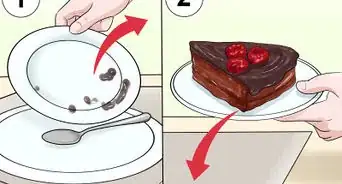
1Who doesn’t love some sweetness in their food? Again, think about coffee—there’s a reason we like sweetening it a bit. The sweetness naturally covers bitter tastes. Throw a pinch of sugar or some honey into bitter foods and drinks to enhance the flavor a bit.[3]
- Pairing bitter tastes with sugar or chocolate also makes a unique dessert flavor.
- Don’t overdo it with the sugar! The American Heart Association recommends having no more than 25-36 g of sugar per day for good health, so watch how much you’re using and don’t exceed that limit.[4]
Method 3
Method 3 of 10:Sprinkle some salt over your food.
-
1A pinch of salt makes everything better, including bitter foods. The saltiness naturally counteracts the bitterness, so don’t be shy about using a bit of salt in meals that are too bitter.[5]
- This is an especially good trick if you’re cooking bitter vegetables, like with roasted broccoli or brussels sprouts. Toss them in some olive oil and salt before cooking to introduce new flavors.[6]
- Just like with sugar, you have to watch your salt intake to maintain good health. The recommended salt intake per day is 2,300 mg, or just about 1/2 tsp.[7]
Advertisement
Method 4
Method 4 of 10:Try a pinch of baking soda.
-
1This might sound a little weird, but it works! Baking soda is very alkaline, which is a good way to correct overly bitter dishes. Sprinkle just a pinch into your food and mix it in well to see if that helps.[8]
- This is a good trick for if you’re cooking and realize that you added too much of a bitter ingredient. Mix in a pinch of baking soda before the dish is done to fix that.
- Be very careful not to add more than a pinch or two! Any more than that and your food won’t taste very good.

Method 5
Method 5 of 10:Squeeze in some vinegar or lemon juice.
-
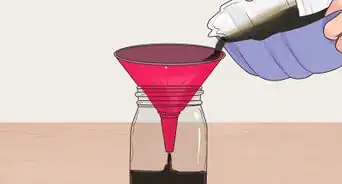
1Sour, acidic tastes like these naturally counteract bitterness. Try squeezing some fresh lemon juice or adding a spoonful of vinegar to bitter dishes to neutralize the flavor a bit.[9]
- Using acidic or sour dressings is a great way to enhance the taste of bitter vegetables in your salads like kale, radishes, or arugula.
- If you make a mistake and add too much vinegar or lemon juice to a dish, some baking soda can help fix that flavor too by eliminating the acid.[10]
Advertisement

Method 6
Method 6 of 10:Add some spice to your foods.
-
1Good news for spice lovers! Spices mask bitter flavors, so don’t be shy. Add some spicy peppers or powders to your cooking, or sprinkle some onto your dishes for a little bit of extra heat.[11]
- Black pepper in particular has compounds that counteract bitterness.
- Some other great spices include cayenne, red pepper, paprika, and chili powder.
Method 7
Method 7 of 10:Cook with herbs to cut through the bitter taste.
-
1Herbs distract you from bitterness by activating other taste receptors. Mix some basil, coriander, sage, and rosemary into your cooking for great, bitter-free flavors.[12]
- Mixing fresh herbs into a stir-fry or roasted dish adds a whole new flavor element to your cooking.
- You can also get dried herbs like basil, ginger, and oregano to sprinkle onto your meals. These last a lot longer than fresh varieties.
Advertisement

Method 8
Method 8 of 10:Chill the food to reduce bitterness.
-
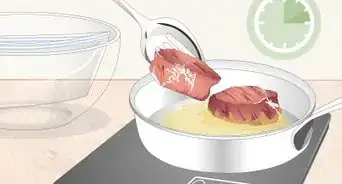
1If you don’t mind eating cold food, this is the choice for you. It’s a fact that colder food and drinks are less bitter, which is why you might find iced tea or coffee easier to drink. Try leaving bitter meals in the fridge before eating them to see if that improves the flavor.[13]
- This is a good trick for bitter vegetables. Leave them in the fridge for a few hours to cool off before eating them.
- You could also combine this with other tricks, like adding some salt or fat to the meal.

Method 9
Method 9 of 10:Mix bitter ingredients into larger dishes.
-
1When in doubt, just cover the bitter tastes. Make dishes with lots of different ingredients and only add in a little bit of the bitter ones. This should mask the bitter flavors while still allowing you to get all the health benefits from bitter foods.[14]
- Some non-bitter foods include beans, carrots, corn, eggplant, lettuce, and potatoes. Try hiding some bitter foods in a dish with these ingredients.[15]
- This trick works well with salads. You could mix bitter ingredients like arugula with more neutral tastes like romaine. Top the salad with a lemon vinaigrette to mask the bitterness even more.
Advertisement

Method 10
Method 10 of 10:Eat more bitter foods to get used to them.
-
1You can actually teach your body what kinds of foods to like. If you just keep eating bitter foods, you’ll eventually desensitize yourself to bitter tastes. It might not seem fun right now, but it can make a big difference in the long term![16]
- This is a good strategy because some other tricks to make bitter food taste better, like adding sugar or fat, aren’t the healthiest. This would help you eat bitter foods without adding other ingredients.






References
- ↑ https://www.splendidtable.org/story/2015/01/16/dont-eliminate-bitterness-balance-it-with-fat-and-salt
- ↑ https://theconversation.com/hate-vegetables-you-might-have-super-taster-genes-74428
- ↑ https://www.cookinglight.com/cooking-101/how-to-taste-and-fix-recipes
- ↑ https://www.heart.org/en/healthy-living/healthy-eating/eat-smart/sugar/how-much-sugar-is-too-much
- ↑ https://www.splendidtable.org/story/2015/01/16/dont-eliminate-bitterness-balance-it-with-fat-and-salt
- ↑ https://www.cookinglight.com/cooking-101/how-to-taste-and-fix-recipes
- ↑ https://www.cdc.gov/salt/pdfs/sodium_dietary_guidelines.pdf
- ↑ https://youtu.be/KOxHSr-6__8?t=278
- ↑ https://www.cookinglight.com/cooking-101/how-to-taste-and-fix-recipes
- ↑ https://youtu.be/KOxHSr-6__8?t=302
- ↑ https://theconversation.com/hate-vegetables-you-might-have-super-taster-genes-74428
- ↑ https://theconversation.com/hate-vegetables-you-might-have-super-taster-genes-74428
- ↑ https://www.beveragedaily.com/Article/2005/12/19/Food-temperature-affects-taste-reveal-scientists#
- ↑ https://www.splendidtable.org/story/2015/01/16/dont-eliminate-bitterness-balance-it-with-fat-and-salt
- ↑ https://theconversation.com/hate-vegetables-you-might-have-super-taster-genes-74428
- ↑ https://www.sciencedaily.com/releases/2019/07/190724111114.htm
About This Article