This article was co-authored by Chris M. Matsko, MD. Dr. Chris M. Matsko is a retired physician based in Pittsburgh, Pennsylvania. With over 25 years of medical research experience, Dr. Matsko was awarded the Pittsburgh Cornell University Leadership Award for Excellence. He holds a BS in Nutritional Science from Cornell University and an MD from the Temple University School of Medicine in 2007. Dr. Matsko earned a Research Writing Certification from the American Medical Writers Association (AMWA) in 2016 and a Medical Writing & Editing Certification from the University of Chicago in 2017.
This article has been viewed 17,601 times.
Botulism is an infrequent, but serious, illness caused by a germ called '”Clostridium Botulinum.” This toxin can cause damage to the nerves, paralysis, and even death. There are three types of botulism- foodborne infection, wound infection, and infant botulism. All types of botulism can be fatal and should always be considered a medical emergency. Recognizing the symptoms of botulism could prevent serious consequences.[1]
Steps
Method 1
Method 1 of 3:Identifying Common Symptoms
-
1Notice vision problems. Botulism can often cause a variety of issues with your vision. For example, blurred vision or double vision are common symptoms of botulism. You may also experience drooping eyelids.[2]
- If you notice other symptoms it is a good idea to look in the mirror to see if your eyelids are drooping.
-
2Pay attention to oral symptoms. Many people who are suffering from botulism experience an extremely dry mouth. They will also have difficulty swallowing or speaking, often as a result of dry mouth.[3]Advertisement
-
3Identify muscle weaknesses. Facial weakness, on both sides of the face, is a common symptom of both wound based and foodborne botulism. For instance, you may notice drooping eyelids, the corners of your mouth may droop, and you may have difficulty using your facial muscles. Severe muscle weakness, including paralysis, can also be a sign of botulism.[4]
- Keep in mind that neurological deficits are usually symmetrical. If you have a unilateral facial droop (a droop on one side of your face), then that is more in line with something like a Stroke or Bell’s Palsy.
-
4Recognize nausea like symptoms. Foodborne botulism is often accompanied by abdominal cramping, nausea, and vomiting. This is because the toxin has been ingested and often manifests itself in symptoms related to the gastrointestinal system.[5]Advertisement


Method 2
Method 2 of 3:Detecting Infant Botulism
-
1Check for constipation. Constipation is often the first sign that parents notice when an infant has botulism. Typically the symptoms begin to show about 3 to 30 days after the infant ingests the spores. If your infant has not had a bowel movement in three days, then you should seek medical attention.[6]
-
2Look for lethargy. Another symptom of botulism in infants is lethargy or muscle weakness. When an infant ingests the bacteria it can multiply and germinate creating a toxin that interferes with the interaction between muscles and nerves. This makes it difficult for infants to move. Watch for the following signs of lethargy:[7]
- Decreased movement.
- Weak cry.
- Flat facial expression.
- Muscle weakness.
-
3Determine if your infant is having trouble eating and breathing. Botulism in infants can also impact your child’s ability to eat and breathe properly. For example, you may notice weak sucking while your child feeds, trouble swallowing, excessive drooling, and breathing problems. Your child may begin eating less because they are having trouble feeding.[8]Advertisement


Method 3
Method 3 of 3:Seeking Medical Attention
-
1Talk to your doctor. Botulism is very serious and can be fatal. If you notice any of the symptoms it is extremely important that you seek medical attention immediately. You doctor will likely ask you about foods you have eaten recently and if you could have been exposed to bacteria through a wound.[9]
- Make sure that you know what foods you have eaten. Pay special attention to any home-canned foods, which can contain bacteria that causes botulism.
- Tell your doctor if you use needles regularly. This can often result in wound-based botulism.
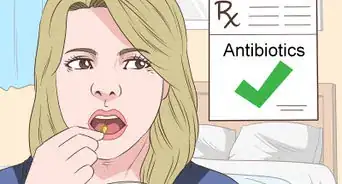
- Botulism antitoxin is the first line therapy for the condition. Sometimes antibiotics are also used. Antibiotics are recommended for wound botulism after antitoxin, but antibiotics are not recommended for infant botulism or for adults with GI symptoms.
-
2Rule out other medical problems. Many of the symptoms associated with botulism are also common in other illnesses, such as Guillain-Barre syndrome, bacterial/chemical food poisoning, tick paralysis, cerebrovascular accident, and myasthenia gravis. As a result your doctor may need to learn your family medical history and conduct tests to rule out any other potential medical issues.[10]
-
3Analyze blood, stool, or vomit sample. In order to diagnose foodborne botulism doctors will need to monitor your symptoms as well as test your blood, stool, or vomit for traces of the toxin. Results from the test can take a few days to receive so it is very important that you fully explain all of your symptoms to your doctor. Your doctor’s clinical examination is the primary way to diagnose botulism.[11]Advertisement


Warnings
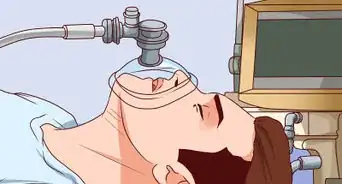
- Botulism can result in death due to respiratory failure if left untreated.Thanks!









References
- ↑ http://www.mayoclinic.org/diseases-conditions/botulism/basics/definition/con-20025875
- ↑ http://www.mayoclinic.org/diseases-conditions/botulism/basics/symptoms/con-20025875
- ↑ http://www.mayoclinic.org/diseases-conditions/botulism/basics/symptoms/con-20025875
- ↑ http://www.mayoclinic.org/diseases-conditions/botulism/basics/symptoms/con-20025875
- ↑ http://www.mayoclinic.org/diseases-conditions/botulism/basics/symptoms/con-20025875
- ↑ https://www.mayoclinic.org/healthy-lifestyle/infant-and-toddler-health/expert-answers/infant-botulism/faq-20058477
- ↑ http://kidshealth.org/en/parents/botulism.html#
- ↑ http://kidshealth.org/en/parents/botulism.html#
- ↑ http://www.mayoclinic.org/diseases-conditions/botulism/basics/tests-diagnosis/con-20025875














































Medical Disclaimer
The content of this article is not intended to be a substitute for professional medical advice, examination, diagnosis, or treatment. You should always contact your doctor or other qualified healthcare professional before starting, changing, or stopping any kind of health treatment.
Read More...