X
wikiHow is a “wiki,” similar to Wikipedia, which means that many of our articles are co-written by multiple authors. To create this article, 16 people, some anonymous, worked to edit and improve it over time.
This article has been viewed 89,327 times.
Learn more...
The method of puréeing carrots is used in a variety of recipes, for example, casseroles, sauces, baby food, meatloaf, and side condiments.
Ingredients
- Carrots (amount is up to your needs)
Steps
-
1Rinse and peel all of the carrots you intend using. However, be aware that peeling removes a lot of nutritional content, as most of the vitamins are concentrated under the skin.If possible, use organic carrots and simply brush the carrots under running water before using.
-
2Use a sturdy knife to chop the carrots into small pieces. The pieces can be in small logs or slices.Advertisement
-
3Place a pot on the stove with a colander in it. Fill the pot with about 1 or 2 inches (2.5cm-5cm) of water (or enough so that the water touches the bottom of the colander).
-
4Place the carrots onto the colander or vegetable steamer, cover the pot, and steam the carrots over low to medium heat. Wait until the carrots are tender (test them by poking them with a tong; they should bend easily).The steaming time should be about 5 to 10 minutes, depending on the amount of carrots, water, and heat set.
-
5Remove the heated carrots from the colander and place a handful of carrot pieces into a food processor.
-
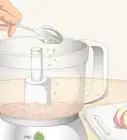
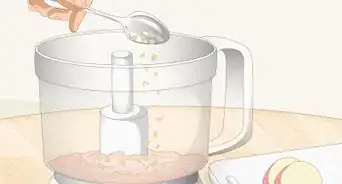
6Add about a tablespoon of water to the processor. Blend it until you get a smooth mixture.
-
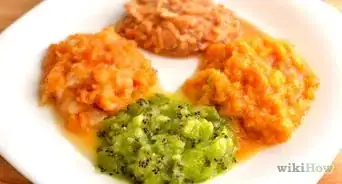
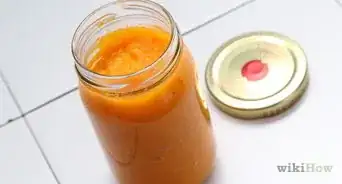
7Use the pureed carrots. Puréed carrots can be used in a variety of ways. If you intend using them for soup, dilute with the relevant liquid. If they need to be thicker, such as for use in a pie filling, thicken with a binding agent such as cornflour or potato puree or flour.
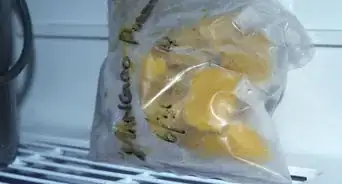
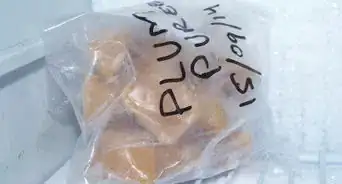
- If you are making baby food, fill up an ice cube tray with the food. Wrap it with Saran wrap and place in the freezer until hard. Transfer the pieces into a container that can be placed in the freezer (Ziploc brand is a good suggestion).When you want to use carrot blocks, take out the amount you want & put the rest back in the freezer for later use. Thaw out and heat up the pieces you want to use.
Advertisement


Community Q&A
-
QuestionAfter making carrot soup it is not a smooth as I thought. Can I puree it again in a food processor?
 Community AnswerSure. A blender works well, too. Just puree or blend it until it is the consistency you like.
Things You'll Need
- Knife and cutting board
- Pot or saucepan
- Colander or vegetable steamer
- Food processor (or blender or sieve)

References
- http://www.wholesomebabyfood.com/carrotsbabyfoodrecipes.html – research source
About This Article
Advertisement