This article was co-authored by wikiHow staff writer, Kira Jan. Kira Jan earned her B.A. in English from Stanford University in 2021. She has published work in a variety of literary magazines and edited for bestselling authors. Kira now writes and edits for the content team at wikiHow with the goal of reaching audiences of all backgrounds, skillsets, and interests. She enjoys continually learning alongside wikiHow readers and working to create connection through the written word.
There are 12 references cited in this article, which can be found at the bottom of the page.
Learn more...
The last thing you want to see as a homeowner are those little piles of sawdust and telltale holes in wood. You might be thinking, Oh no. What happens if the termites get into my wooden furniture? The good news is you’ve got plenty of options to prevent termites from chewing into your favorite furniture and to stop termite infestations in their tracks. From natural DIY pest control to intensive treatments, we’ve got your termite-repelling options covered–and they’re all safe to use on your wood furniture.
Steps
Method 1
Method 1 of 13:Remove excess wood and cardboard.
-
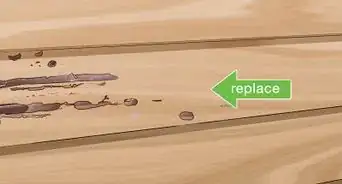
1Firewood, lumber, cardboard, and newspapers all attract termites. For an easy prevention method, go through your house and discard any old paper or wood materials.[1] Similarly, clear away debris and wood from your house’s foundation outside. The best way to protect the furniture inside your house is to make sure the termites don’t get in at all.

Method 2
Method 2 of 13:Protect your furniture from moisture.
-
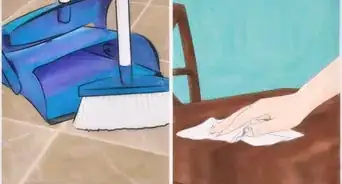
1Termites love moist wood. Fortunately, you can make your furniture less appealing by keeping it dry. Keep your rooms well-ventilated, especially if you keep wood furniture in the bathroom or kitchen where it’s exposed to water. Wipe down your furniture with a dry cloth rather than using water to clean it.[2]

Method 3
Method 3 of 13:Apply aloe vera.
-
1Aloe vera is a natural way to create a protective barrier for your furniture. Mix 100% pure aloe vera gel with water in a 1:5 ratio. Spray the mixture over your furniture. Repeat the treatment over several days so the aloe mixture can soak into the pores of the wood. Aloe contains aloin, a bitter chemical compound that will discourage termites from chewing your furniture.[3]
- Avoid using aloe mixed with fragrances or other chemicals, which could end up attracting termites.[4]

Method 4
Method 4 of 13:Use termite-resistant polish.
-
1Polish gives your furniture a protective coating. Use an oil-based varnish and apply it everywhere on your furniture with a clean dry cloth, moving with the grain of the wood. You can even look for products labeled as termite-resistant. As a bonus, the polish will keep your heirloom pieces in top condition.[5]
- Once you’ve coated the wood in a layer of polish, take a clean cloth and wipe against the grain to remove any excess polish.
- Always test the polish in an inconspicuous area before applying it to the rest of your furniture.

Method 5
Method 5 of 13:Spray orange oil or neem oil.
-
1These oils inhibit termites’ ability to shed their skin and lay eggs. As a result, orange oil and neem oil will kill termites over a longer period of time. For a DIY termite-repellent, mix 16 fluid ounces (0.47 L) water with a few drops of dish soap. Add about 10 drops of orange oil or neem oil. Shake up the mixture in a spray bottle, apply it to your wood furniture, and you’ve got a DIY termite control solution![6]
- This method works better for drywood termites than subterranean termites.
- Drywood termites are more likely to infest your hardwood furniture. Subterranean termites prefer soft spring wood.[7]

Method 6
Method 6 of 13:Make a barrier with diatomaceous earth.
-
1Use diatomaceous earth for a chemical-free solution. Diatomaceous earth (DE) is a sedimentary rock, and you can even purchase it at “food-grade” quality. DE works to prevent and kill termites because, on the microscopic level, it’s made up of sharp shards that can slice through termites’ exoskeletons.[8]
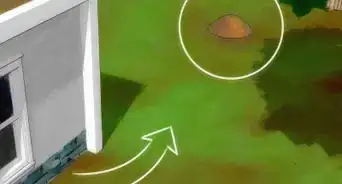
- Also apply the diatomaceous earth around the foundation of your house to kill more termites and create a barrier.
- Wear a dust mask and goggles when you sprinkle the DE if you have sensitive lungs and eyes.

Method 7
Method 7 of 13:Paint your furniture.
-
1Use epoxy enamel paint to create a barrier. This is an easy and proven method to block termites from chewing into your furniture. Apply two coats of paint for more thorough protection.[9]
- Before you paint, seal any cracks in the wood with wood putty.

Method 8
Method 8 of 13:Buy a commercial termite-repellent or poison.
-
1Bait stations, stakes, and insecticide sprays are quick ways to get rid of termites. These methods wipe out entire colonies but do involve chemicals. Combine spot treatment of your furniture with perimeter treatments around your house to create a protective barrier.[10]
- Spray the insecticide directly into grooves, nooks, and holes you find.
- Commercial products include Termidor /Taurus (fipronil), Premise (imidacloprid), and Altriset (chlorantraniliprole).[11]

Method 9
Method 9 of 13:Sprinkle boric acid.
-
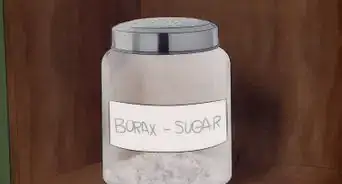
1Boric acid is a less toxic, affordable way to kill termites. It affects their digestive system, dehydrates them, and kills them within a few days. Simply sprinkle the fine powder around the furniture or the site of the infestation.[12]

Method 10
Method 10 of 13:Expose the furniture to sunlight to kill termites.

Method 11
Method 11 of 13:Bring in parasitic nematodes.
-
1Nematodes are microscopic parasites that burrow into termites to kill them. You can buy nematodes at a nursery or online.[17] Mix the nematodes in with water and then spray your wood furniture. If you have an infestation already, spray once a day until the termite problem is gone.[18]
- Nematodes will die off naturally, and they’re not dangerous to people or pets.
- This method is more effective for subterranean termites than drywood termites.[19]

Method 12
Method 12 of 13:Make a cardboard trap.
-
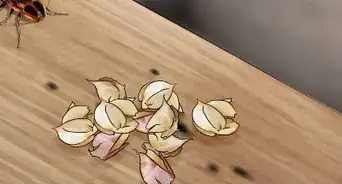
1Use this method to capture and kill termites in small batches. Set a piece of cardboard out near the infested furniture. Moisten the cardboard with water to make it even more appealing. Once you see the termites have started infesting the cardboard, take it outside and burn it.[20]

Method 13
Method 13 of 13:Schedule regular pest control.
-
1Get a termite inspection from a professional at least once a year. While it’s tempting to just go the DIY route, a professional can get to the root of the infestation. Professional liquid termite treatments last up to five years. Bait stations set by professionals require check-ins every 3-6 months.[21]
- If you suspect an infestation, and your DIY solutions aren’t working, it’s time to hire a professional.[22]
- Look for a professional certified by the Department of Agriculture or your state’s pest control association.
- Termite control prices range from $200-$2500 depending on the size of the infestation.[23]




References
- ↑ https://entomology.ca.uky.edu/ef605
- ↑ https://www.hipcouch.com/magazine/keep-your-furniture-termites-free
- ↑ https://www.tribuneindia.com/news/archive/features/aloevera-can-work-magic-as-termite-repellent-bio-fertilizers-296198
- ↑ https://www.hipcouch.com/magazine/keep-your-furniture-termites-free
- ↑ https://www.hipcouch.com/magazine/keep-your-furniture-termites-free
- ↑ https://www.thisoldhouse.com/pest-control/21238211/how-to-get-rid-of-termites
- ↑ https://extension.arizona.edu/sites/extension.arizona.edu/files/pubs/az1232.pdf
- ↑ https://www.popularmechanics.com/home/a25781593/get-rid-of-termites/
- ↑ https://extension.arizona.edu/sites/extension.arizona.edu/files/pubs/az1232.pdf
- ↑ https://www.popularmechanics.com/home/a25781593/get-rid-of-termites/
- ↑ https://entomology.ca.uky.edu/ef604
- ↑ https://www.popularmechanics.com/home/a25781593/get-rid-of-termites/
- ↑ https://www.thisoldhouse.com/pest-control/21238211/how-to-get-rid-of-termites
- ↑ https://www.thisoldhouse.com/pest-control/21238211/how-to-get-rid-of-termites
- ↑ https://www.pesthow.com/how-to-get-rid-of-termites/
- ↑ https://www.parentcircle.com/home-remedies-for-termites/article
- ↑ https://www.thisoldhouse.com/pest-control/21238211/how-to-get-rid-of-termites
- ↑ https://experthomereport.com/killing-termites-naturally-tips-that-actually-work/
- ↑ https://www.thisoldhouse.com/pest-control/21238211/how-to-get-rid-of-termites
- ↑ https://experthomereport.com/killing-termites-naturally-tips-that-actually-work/
- ↑ https://homeinspectioninsider.com/how-often-should-a-house-be-treated-for-termites/
- ↑ https://entomology.ca.uky.edu/ef604
- ↑ https://www.bobvila.com/articles/termite-treatment-cost/
About This Article