This article was medically reviewed by Janice Litza, MD. Dr. Litza is a board certified Family Medicine Physician in Wisconsin. She is a practicing Physician and taught as a Clinical Professor for 13 years, after receiving her MD from the University of Wisconsin-Madison School of Medicine and Public Health in 1998.
There are 10 references cited in this article, which can be found at the bottom of the page.
wikiHow marks an article as reader-approved once it receives enough positive feedback. In this case, 100% of readers who voted found the article helpful, earning it our reader-approved status.
This article has been viewed 392,860 times.
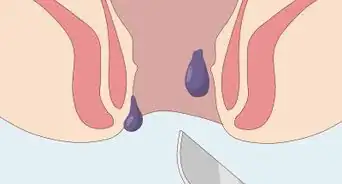
Research suggests that you're more likely to get piles if you're constipated or pregnant, push too hard during a bowel movement, or are lifting heavy objects.[1] Piles (also called hemorrhoids) are lumps in or just outside of your anus, which are caused by swollen veins. Experts say you may be able to prevent piles by changing your bowel habits, eating a high-fiber diet, staying hydrated, and exercising.[2] If you still get piles, they're easily treatable and often go away on their own.
Steps
Method 1
Method 1 of 3:Developing Good Bowel Habits
-
1Do not delay bowel movements. If you need to use the bathroom, do so right away. Delaying bowel movements can cause stools to harden. The more strained you feel on the toilet, the more likely you are to experience piles. If you feel you need to defecate, do so without delay.[3]
- If your bowel movements tend to be regular, try to be near a toilet during times of the day you know you will get the urge to go.
-
2Use wipes over toilet paper. Wipes are more efficient at cleaning the anal area after a bowel movement and are also gentler. Have moist towelettes in your bathroom instead of toilet paper. Use these to wipe after a bowel movement.[4]
- Make sure wipes are flushable before disposing of them in the toilet.
-
3Avoid taking too long in the bathroom. You should keep things like magazines and other reading materials out of your bathroom. These can cause you to linger on the toilet longer than you normally would. It's best to limit the length of your bowel movements to avoid unnecessary strain that could cause piles.[5]
-
4Keep the anal area clean. When you shower, make sure to wash the anal area with warm water. Do not use soaps, especially scented soaps, as these can irritate the anal area and cause piles.[6]


Method 2
Method 2 of 3:Changing Your Overall Lifestyle
-
1Stay hydrated. Healthy stools are primarily made up of water. Things like infrequent or unpredictable bowel movements and diarrhea can cause piles. Make an effort to stay hydrated throughout the day, as this can reduce your risk for piles.[7]
- Have a water bottle on hand at all times. Take sips throughout the day.
- Drink water with meals instead of soda and juices.
- If you see a water fountain, always stop by and take a drink.
-
2Add more fiber to your diet. A lack of fiber can cause bowel issues that lead to piles. A good way to prevent piles is to increase your overall fiber intake. Fiber is found in foods like fruits, vegetables, legumes, and whole wheats.[8]
- Eat a lot of fruits and vegetables throughout the day. Have veggies as a side for every meal and snack on fruits when you're hungry.
- Go for 100% whole wheat breads and other grains.
- If you're concerned about your fiber intake, talk to your doctor about potentially taking a supplement.
-
3Exercise regularly. Regular exercise can help prevent bowel issues, such as constipation, that can cause hemorrhoids. Make sure to get in some physical activity each day to cut back on your risk for developing hemorrhoids.[9]
- Strive for at least 150 minutes of aerobic activities, like brisk walking or running, each week. A good way to get the exercise in is to strive for 30 minutes, five days a week.[10]
- You should also incorporate strength exercises, such as weight lifting, two or more days each week.
- In addition to exercising regularly, try to spend less time sitting. This can reduce pressure and lessen piles.
-
4Lose weight if necessary. If you are overweight, this can increase your likelihood of developing piles. Talk to your doctor about a weight loss regimen so you can achieve a healthy weight.[11]
- Diet and exercise are key to weight loss. You want to eat healthy low-calorie meals and get some physical activity in each day if you need to lose weight.[12]
- Activities should be things you enjoy. If you like riding your bike, for example, go on a weekly bike ride. Even things like shopping, cleaning, and running errands can help with weight loss.


Method 3
Method 3 of 3:Treating Piles
-
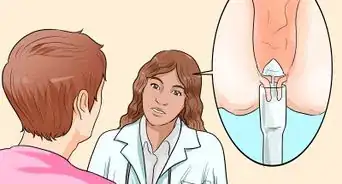
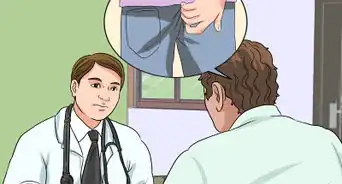
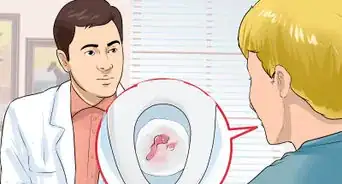
1See a doctor for a diagnosis. If you're experiencing symptoms of piles, such as bleeding during bowel movements and itchiness around the anus, see a doctor. Piles are usually not a cause for a concern, but can be a symptom of more serious diseases. You should see a doctor to confirm your symptoms are caused by piles and rule out other conditions.[13]
-
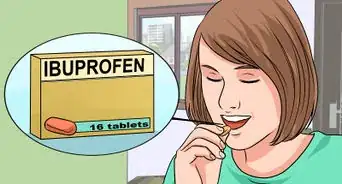
2Use painkillers. As piles often cause pain, over-the-counter painkillers can help. Things like acetaminophen (Tylenol), aspirin, or ibuprofen (Advil, Motrin IB) can help reduce pain temporarily.[14]
- If you're on any existing medication, talk to a pharmacist to make sure over-the-counter painkillers are safe for you.
-
3Soak in a sitz bath. A sitz bath means soaking your anal area in warm water for 10 to 15 minutes each day. You can buy a sitz bath online or at a department store. It fits over the toilet so you can sit to sooth your piles.[15]
-
4Strive to keep your stools soft. Up your fiber intake while piles persist. Strive to get about 30% more fiber each day, as this can help soften stools. Softer stools will result in less pain during bowel movements.[16]
- You can also ask your doctor about taking a stool softener.


References
- ↑ https://www.nhs.uk/conditions/piles-haemorrhoids/
- ↑ https://www.mayoclinic.org/diseases-conditions/hemorrhoids/symptoms-causes/syc-20360268
- ↑ https://health.clevelandclinic.org/2014/05/4-simple-ways-to-prevent-hemorrhoids/
- ↑ http://www.mayoclinic.org/diseases-conditions/hemorrhoids/manage/ptc-20249278
- ↑ https://health.clevelandclinic.org/2014/05/4-simple-ways-to-prevent-hemorrhoids/
- ↑ http://www.mayoclinic.org/diseases-conditions/hemorrhoids/manage/ptc-20249278
- ↑ http://www.prevention.com/health/prevent-hemorrhoids
- ↑ https://health.clevelandclinic.org/2014/05/4-simple-ways-to-prevent-hemorrhoids/
- ↑ https://health.clevelandclinic.org/2014/05/4-simple-ways-to-prevent-hemorrhoids/
- ↑ http://www.nhs.uk/Livewell/fitness/pages/physical-activity-guidelines-for-adults.aspx
- ↑ http://www.nhs.uk/conditions/haemorrhoids/Pages/What-is-it-page.aspx
- ↑ http://www.mayoclinic.org/healthy-lifestyle/weight-loss/basics/diet-and-exercise/hlv-20049483
- ↑ http://my.clevelandclinic.org/health/articles/hemorrhoids
- ↑ http://www.mayoclinic.org/diseases-conditions/hemorrhoids/manage/ptc-20249278
- ↑ http://www.mayoclinic.org/diseases-conditions/hemorrhoids/manage/ptc-20249278
- ↑ http://my.clevelandclinic.org/health/articles/hemorrhoids
- ↑ https://www.squattypotty.com/
About This Article
To prevent piles, remember to use the bathroom as soon as you feel the need to defecate to avoid hardened stools. After your bowel movement, skip regular toilet paper and wipe with soft, moist towelettes instead. Keep magazines and other reading materials out of the bathroom, since these can cause you to linger on the toilet longer than necessary. It's also important to stay hydrated and eat plenty of fiber so you can pass bowel movements easily. For tips on how exercise can prevent piles, read on!













































Medical Disclaimer
The content of this article is not intended to be a substitute for professional medical advice, examination, diagnosis, or treatment. You should always contact your doctor or other qualified healthcare professional before starting, changing, or stopping any kind of health treatment.
Read More...