This article was co-authored by wikiHow staff writer, Hannah Madden. Hannah Madden is a writer, editor, and artist currently living in Portland, Oregon. In 2018, she graduated from Portland State University with a B.S. in Environmental Studies. Hannah enjoys writing articles about conservation, sustainability, and eco-friendly products. When she isn’t writing, you can find Hannah working on hand embroidery projects and listening to music.
There are 10 references cited in this article, which can be found at the bottom of the page.
This article has been viewed 9,824 times.
Learn more...
As the COVID-19 vaccine gets distributed, more and more people are eligible to get an appointment. While there isn’t much you need to do before your dose, there are a few ways you can prepare for a smooth, easy experience with minimal side effects. Make sure you wear a mask and continue to social distance even after you’ve been vaccinated to keep yourself and others safe.
Steps
Method 1
Method 1 of 11:Talk to your doctor if you have any questions.
-
1You might not have time to ask questions during your appointment. If you’re not sure that the COVID-19 vaccine is right for you, or you have concerns, make an appointment with your primary doctor to talk. They can tell you about the different vaccine types and which one is best for you.[1]
- Experts agree that the COVID-19 vaccine is safe if you’re pregnant or breastfeeding. However, if you have any concerns, feel free to talk to your healthcare provider before making a decision.
- If you have an underlying medical condition, you can get the vaccine as long as you haven’t had an allergic reaction to a vaccine before. You can learn more about underlying conditions and the COVID-19 vaccine by visiting https://www.cdc.gov/coronavirus/2019-ncov/vaccines/recommendations/underlying-conditions.html.

Method 2
Method 2 of 11:Make an appointment online.
-
1Your government or healthcare provider is in charge of distribution. If you’re eligible for the vaccine, you can go online to make an appointment and get a time slot. The website will tell you where to go, how to prepare, and what to expect at your appointment.[2]
- Most agencies are only vaccinating people with appointments. As the vaccine distribution gets wider, that may change.
- Your government or healthcare provider may be limiting the amount of people who can get the vaccine. Check on your local government’s website to see if you’re eligible before making an appointment.
- The COVID-19 vaccine shot is free for everyone, so you won’t have to pay to sign up.

Method 3
Method 3 of 11:Avoid scheduling other vaccines around the same time.
-
1Experts aren’t sure if the COVID-19 vaccine will interfere with others. Wait at least 14 days before and after your COVID-19 vaccine shots to schedule anything else. This will also reduce the side effects you might feel from multiple vaccines at a time.[3]
- If you do accidentally schedule 2 vaccines close together, that’s okay—you don’t need to restart the COVID-19 vaccine series.

Method 4
Method 4 of 11:Wear a mask and social distance before your vaccine.
-
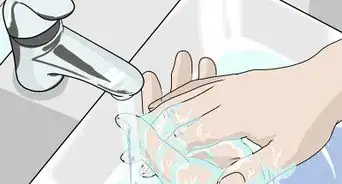
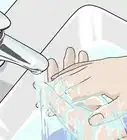
1It’s important to stay safe, even if you’re getting vaccinated. Stay home as much as possible, wear a mask when you go out, and stay 6 ft (1.8 m) away from people you don’t live with. Wash your hands often to avoid infecting yourself and those around you.
- Continue to wear a mask and social distance even after you’re vaccinated to keep those around you safe.

Method 5
Method 5 of 11:Wait at least 90 days if you were treated for COVID-19.
-
1Experts aren’t sure if COVID-19 treatments interfere with the vaccine. If you were treated for COVID-19 with antibodies or plasma, wait at least 90 days before scheduling your vaccine appointment. Experts aren’t sure how long natural immunity lasts from getting COVID-19, so try to get vaccinated as soon as possible.[4]
- If you had COVID-19, but you weren’t treated with antibodies or plasma, you can make your vaccine appointment as soon as you’ve recovered.

Method 6
Method 6 of 11:Eat food and drink water the day of your appointment.
-
1Some people report feeling faint after getting the vaccine. You can reduce any side effects by drinking plenty of water and eating a full, balanced meal before your appointment. You may have to wait in line for quite a while before your vaccine, so be sure to eat before you leave![5]

Method 7
Method 7 of 11:Bring your ID to the appointment.
-
1You’ll need your ID to verify that it’s really you. You can bring a driver’s license or state ID to your appointment if you have one. If you don’t, call the vaccine distributor and ask what info works for them. You may be able to bring a rental agreement or utility payment as proof of your name and address.[6]
- You cannot be turned away from a vaccine appointment if you don’t have identification.
- If you have a health insurance card, bring that too. Your insurance will be billed at no cost to you.

Method 8
Method 8 of 11:Wear a mask to the appointment.
-
1Both you and the healthcare worker need to wear a face mask. When you leave for your appointment, make sure you’re wearing a cloth or surgical face mask that covers your nose and mouth completely. If you aren’t wearing a mask, you probably won’t be let in for your appointment.[7]
- Keep your mask on the entire time you’re in line and when you get the vaccine.

Method 9
Method 9 of 11:Wear a loose T-shirt or button up.
-
1The vaccine will be administered by a shot in your arm. Try to wear a shirt that you can easily pull off your arm, like a T-shirt or a button-up. You might experience some pain and discomfort in the area, and tight clothing can make that worse.[8]
- If you’re worried about pain in your arm, keep an ice pack or a cold washcloth in your car for after your appointment.

Method 10
Method 10 of 11:Take time to rest after your vaccine.
-
1Some people experience flu-like symptoms after the vaccine. For 48 hours after your first dose, you might have a fever, chills, fatigue, or a headache. Plan to rest and drink a lot of fluids to recover quickly.[9]
- After you get your first dose, you’ll be monitored for 15 minutes to make sure you aren’t having any severe reactions.
- If you have any pain or swelling in your arm, you can hold a cool washcloth over the area to reduce the inflammation.
- If you have any severe side effects, you can report them to the CDC using V-Safe. Register online by visiting https://www.cdc.gov/coronavirus/2019-ncov/vaccines/safety/vsafe.html.

Method 11
Method 11 of 11:Make your second appointment when you get your first dose.
-
1Currently, all COVID-19 vaccines require 2 doses. When you’re at your first appointment, take the card given to you by a healthcare provider and hang onto it as proof that you’ve had your first dose. Either sign up for your second one online or in-person to make sure you’re fully vaccinated against COVID-19.[10]
- If you get the Pfizer-BioNTech COVID-19 vaccine, get your second dose 21 days after your first dose.
- If you get the Moderna COVID-19 vaccine, get your second dose 28 days after your first dose.
- Many people report more severe side effects from the second dose of the vaccine. The process will be exactly the same, but you may need more rest time afterwards.

Warnings
- If you get a COVID-19 vaccine and experience a severe allergic reaction, call emergency services right away.[12]Thanks!
- If you are allergic to any of the ingredients in either COVID-19 vaccine, do not get vaccinated.[13]Thanks!


References
- ↑ https://www.cdc.gov/coronavirus/2019-ncov/vaccines/expect.html
- ↑ https://www.mass.gov/guides/how-to-prepare-for-your-covid-19-vaccine-appointment
- ↑ https://www.cdc.gov/coronavirus/2019-ncov/vaccines/faq.html
- ↑ https://www.cdc.gov/vaccines/covid-19/info-by-product/clinical-considerations.html
- ↑ https://www.modernatx.com/covid19vaccine-eua/recipients/what-to-expect.pdf
- ↑ https://www.mass.gov/guides/how-to-prepare-for-your-covid-19-vaccine-appointment
- ↑ https://www.cdc.gov/coronavirus/2019-ncov/downloads/vaccines/facts-covid-vaccines-english-508.pdf
- ↑ https://www.cdc.gov/coronavirus/2019-ncov/vaccines/expect/after.html
- ↑ https://www.modernatx.com/covid19vaccine-eua/recipients/what-to-expect.pdf
- ↑ https://www.pfizer.com/news/hot-topics/the_facts_about_pfizer_and_biontech_s_covid_19_vaccine
- ↑ https://www.astho.org/COVID-19/Pfizer-Moderna-Vaccine-Comparison/
- ↑ https://www.cdc.gov/coronavirus/2019-ncov/vaccines/faq.html
- ↑ https://yalehealth.yale.edu/yale-covid-19-vaccine-program/who-should-and-shouldnt-get-covid-19-vaccine












































Medical Disclaimer
The content of this article is not intended to be a substitute for professional medical advice, examination, diagnosis, or treatment. You should always contact your doctor or other qualified healthcare professional before starting, changing, or stopping any kind of health treatment.
Read More...