This article was co-authored by Mohammad Dar, MD. Dr. Mohammad Dar (MoDar) is a board certified Internist based in Boston, Massachusetts. With over seven years of experience in the medical field, he is skilled in epidemiology, healthcare, and health policy. Dr. Dar has had a myriad of experiences in healthcare, including working on the implementation of the Affordable Care Act at the White House Office of Health Reform, volunteering in rural Uganda with public health initiatives, and leading policy and on-the-ground COVID-19 operations during the pandemic. He has also worked on a number of innovative public health and insurance reform initiatives in Massachusetts. Dr. Dar received a BS in Cell and Molecular Biology and History from The University of Michigan and an MD from The University of Michigan Medical School. He completed his residency training at Harvard Medical School and Brigham and Women’s Hospital, from which he received the Golden Stethoscope Award.
There are 7 references cited in this article, which can be found at the bottom of the page.
This article has been viewed 182,532 times.
When you are applying for life insurance, a visit to the doctor's office for a physical is a standard part of the process. There are ways you can prepare for this physical to make sure you’re at your healthiest and potentially get lower rates on your life insurance. Follow the tips listed here to start preparing in the months leading up to the physical and right up through the morning of the exam itself!
Steps
Method 1
Method 1 of 13:Eat healthy foods in the weeks before your exam.
-
1A healthy diet can help with blood test results. Strive for a healthy diet high in fruits, vegetables, low-fat dairy, whole grains, and lean meats. Avoid sugar, processed foods, and fast foods in the weeks leading up to your exam. This can result in better cholesterol levels, blood pressure, and heart rate which can all result in a lower premium for you.[1]
- Avocados can be particularly helpful in preparation for an exam. They're high in monounsaturated fat, which is a heart-healthy fat your body needs, and can result in your HDL cholesterol levels going up. HDL is often referred to as "good cholesterol" because it promotes strong overall health.
- Limit salt intake, as this can cause weight retention and a spike in blood pressure.

Method 2
Method 2 of 13:Drink lots of water.
-
1Water flushes out toxins and keeps you generally healthy. Drink water whenever you’re thirsty and avoid unhealthy, sugary, and caffeinated beverages like soda and energy drinks. Keep a refillable water with you when you’re at work or on the go, so you always have water at hand.
- It’s fine to drink other healthy beverages like coffee, tea, and juice in moderation, make water your go-to drink, however caffeine should be avoided the morning of your exam.

Method 3
Method 3 of 13:Limit your alcohol consumption.
-
1Heavy alcohol consumption can increase your blood pressure. Limit your alcohol consumption to no more than 1 drink a day if you’re a woman and 2 drinks a day if you’re a man. This is the amount of alcohol consumption that’s generally considered moderate and safe.
- Alcohol can affect the liver, an important bodily organ. Liver function is generally tested during a health insurance exam. Binge drinking the days before tests are conducted can skew numbers.
- If your blood work shows no alcohol in your system, this is also a plus. Heavy drinkers are prone to a number of health problems so insurance companies are likely to offer lower rates to those who don't drink or who drink in moderation.

Method 4
Method 4 of 13:Stop smoking if you’re a smoker.
-
1Being a non-smoker can bump you into a lower premium rate. Quit smoking at least 3 months before your life insurance physical to be legally considered a non-smoker. Urine tests can detect tobacco in the system, so make sure not to use chewing tobacco, a nicotine patch, or nicotine gum in the months leading up to the exam.[2]
- If you find it very difficult to quit smoking, seek support online, through support group meetings, from reading materials, and from other outside resources like family and friends.
- Do not lie about your nicotine habits during your physical. Many people feel they can simply lie about their smoking habits and downplay how much they use cigarettes. To do so constitutes fraud and can lead to you being bumped off an insurance plan.

Method 5
Method 5 of 13:Schedule a morning exam.
-
1Your body is least stressed early in the morning. Pick any date that allows you to go in for your life insurance physical in the morning. Even if you have to go in on the weekend, this is the best option.[3]
- This also makes it easier to take the exam without eating anything beforehand, as opposed to scheduling an afternoon physical.

Method 6
Method 6 of 13:Sleep well the night before.
-
1Lack of sleep can cause excess stress, which can affect blood pressure. Aim to get at least 8 to 9 hours of restful sleep the night before your exam. Try to do something to relax before bed, like taking a warm bath. Avoid electronic screens in the hours leading up to bedtime, as the blue light can stimulate brain activity that makes sleeping difficult.[4]
- If you're having trouble sleeping for more than 20 minutes, get up and read a book until you begin to feel sleepy.

Method 7
Method 7 of 13:Skip caffeine on the morning of your exam.
-
1Caffeine intake can cause a temporary spike in blood pressure. If you’re a coffee drinker, skip your morning cup of joe before your appointment. Avoid other caffeinated beverages like black tea as well. Instead, grab a glass of water when you wake up to hydrate your body before the physical.
- If you tend to drink a lot of caffeine, work on slowly weaning yourself off of it in the weeks leading up to the exam. That way, it won’t be so hard to skip the coffee on the day of your exam.

Method 8
Method 8 of 13:Wait until after your exam to eat.
-
1Some foods can raise your blood pressure. Skip breakfast on the morning of your exam and drink some water to hydrate and make sure you can pee for the urine test. After your physical is over, go out and treat yourself to a nice big lunch![5]
- You can eat the night before your exam as normal, as long as you’re eating healthy. Remember to avoid high-sodium and high-cholesterol foods like red meat.[6]

Method 9
Method 9 of 13:Do not exercise before the exam.
-
1Exercising before your exam can lead to high blood pressure. Try to avoid working out within the 24-hour period leading up to your exam. If you normally hit the gym or go for a run in the morning, wait until later in the day to get your workout in.[7]
- It’s fine to work out in the weeks leading up to your physical. Regular exercise is an important part of staying healthy overall!

Method 10
Method 10 of 13:Wear lightweight clothing.
-
1Heavy clothing can skew your weight reading during your exam. Wear as little as possible and skip heavy accessories like jewelry on the day of your exam. Your weight is one factor that helps determine the insurance rates you get, so you want your reading to be as accurate as possible.[8]
- You’re also going to get blood drawn during the physical, so wear short sleeves or a shirt with sleeves that are easy to roll up to facilitate this.

Method 11
Method 11 of 13:Bring medical records with you.
-
1They’re going to ask you about your medical history during the exam. Bring a list with you of any prescription medications you currently take as well as any you have taken in the past. Bring records of any medical conditions you have or have been treated for in the past. Have contact info for your physician ready as well.[9]
- If you fail to disclose a medication you’re taking or a medical condition, the physical is unlikely to go in your favor. Always be honest about your medical history.

Method 12
Method 12 of 13:Take a valid photo ID with you.
-
1You have to be able to prove who you are at your physical. Bring a driver’s license, a passport, or another type of official government-issued photo ID with you to the exam. Be prepared to show it when you arrive.[10]

Method 13
Method 13 of 13:Be ready to answer a bunch of personal questions.
-
1A life insurance examiner looks into all aspects of your life. Expect a barrage of questions about your health, medical history, and lifestyle.[11] It may feel a bit invasive, but remember that they’re just trying to make sure you get the best insurance for your particular case.[12]
- Health insurance physicals are often carried out by a licensed nurse or paramedical professional.

Expert Q&A
-
QuestionWhat is involved in an insurance physical?
 Mohammad Dar, MDDr. Mohammad Dar (MoDar) is a board certified Internist based in Boston, Massachusetts. With over seven years of experience in the medical field, he is skilled in epidemiology, healthcare, and health policy. Dr. Dar has had a myriad of experiences in healthcare, including working on the implementation of the Affordable Care Act at the White House Office of Health Reform, volunteering in rural Uganda with public health initiatives, and leading policy and on-the-ground COVID-19 operations during the pandemic. He has also worked on a number of innovative public health and insurance reform initiatives in Massachusetts. Dr. Dar received a BS in Cell and Molecular Biology and History from The University of Michigan and an MD from The University of Michigan Medical School. He completed his residency training at Harvard Medical School and Brigham and Women’s Hospital, from which he received the Golden Stethoscope Award.
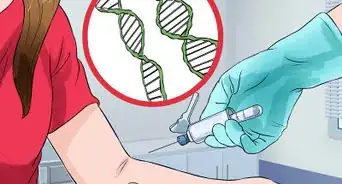
Board Certified Internist & Health Policy DirectorAn insurance physical may involve a physical exam, blood work, and tests like an electrocardiogram (analysis of your heart rhythm). In some cases, you'll go to an office where the physical is done and the blood work and tests are taken. In other cases, a representative from the insurance will come to your home with medical supplies.









References
- ↑ https://www.nhs.uk/conditions/blood-pressure-test/
- ↑ https://www.valuepenguin.com/life-insurance/blood-test-medical-exam
- ↑ https://www.finweb.com/insurance/preparation-tips-for-your-life-insurance-medical-exam.html#axzz3o0mwUzUI
- ↑ https://www.nationwide.com/lc/resources/investing-and-retirement/articles/life-insurance-exam-tips
- ↑ https://www.finweb.com/insurance/preparation-tips-for-your-life-insurance-medical-exam.html#axzz3o0mwUzUI
- ↑ Mohammad Dar, MD. Board Certified Internist & Health Policy Director. Expert Interview. 28 September 2021.
- ↑ https://www.finweb.com/insurance/preparation-tips-for-your-life-insurance-medical-exam.html#axzz3o0mwUzUI
- ↑ https://www.nationwide.com/lc/resources/investing-and-retirement/articles/life-insurance-exam-tips
- ↑ Mohammad Dar, MD. Board Certified Internist & Health Policy Director. Expert Interview. 28 September 2021.
- ↑ https://www.myexamone.com/life-insurance-exam-preparation/
- ↑ Mohammad Dar, MD. Board Certified Internist & Health Policy Director. Expert Interview. 28 September 2021.
- ↑ https://smartasset.com/life-insurance/how-to-prepare-for-a-life-insurance-medical-exam
About This Article