This article was co-authored by Kathi Burns, CPO® and by wikiHow staff writer, Hannah Madden. Kathi Burns is a board certified Professional Organizer (CPO) and Founder of Organized and Energized!, her consulting business with a mission to empower people to master their environment and personal image by assisting them in taking control, making change and organizing their lives. Kathi has over 17 years of organizing experience and her work has been featured on Better Homes and Gardens, NBC News, Good Morning America, and Entrepreneur. She has a BS in Communication from Ohio University.
This article has been viewed 10,082 times.
If you feel frazzled or overwhelmed when you first get into work, you aren’t alone! Thinking of all the tasks you need to accomplish by the end of the week can be intimidating, and it’s hard to figure out how to manage your time. By prioritizing the important stuff and leaving room in your schedule to take breaks, you can get your work done without feeling overworked or exhausted by the end of the day.
Steps
Method 1
Method 1 of 10:Create a to-do list.
-
1You can’t tell what you have to do unless you write it down. Spend about 5 minutes making up a rough list of everything you need to do today so that you don’t forget anything important.[1]
- If a pen and paper seems a little old-fashioned, make a digital to-do list on your phone or computer instead.

Method 2
Method 2 of 10:Check in with your co-workers or staff.
-
1This is especially important if you’re working from an appointment book. Meet up with your staff members at the beginning of the day to talk about the workload ahead of you.[2]
- This will also help them plan out their days, too.
- If you’re the boss, checking in with your staff is a great idea. It can make them feel welcomed and like you value their input.

Method 3
Method 3 of 10:Do important emails and phone calls first thing.
-
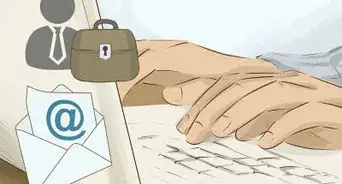
1If you need an answer from someone, it’s best to ask your question right away. Before you start your work, send any urgent emails and make your important phone calls to hear back before you leave work.[3]
- If you wait until midday, there’s a good chance you might not hear back until tomorrow.

Method 4
Method 4 of 10:Tackle difficult tasks right away.
-
1It might sound counterintuitive, but it can make the rest of the day feel like a cakewalk. If there’s something you’re really not looking forward to doing, start with that so you get it over with.[4]
- If you do your most difficult or annoying task first, you’ll have your easier, less demanding tasks to look forward to.
- Diving into a hard task can also make time go by faster.

Method 5
Method 5 of 10:Make small goals to achieve throughout the day.
-
1You might not be able to finish an entire project, but you can get started on it. Make 3 to 4 goals that you can hit in your workday, then stick to them.[5]
- For example, you could make a goal to answer all your emails, start your new project, and file your paperwork by the end of the day.
- If planning goals day by day is too minute, you can also make weekly goals to work on throughout your workweek.
- Checking your to-do list to prioritize your goals will help a lot.

Method 6
Method 6 of 10:Designate a time to check your emails.
-
1Keeping track of an email inbox and your workload can be a lot. Instead, make a point to check your email every hour instead of watching it 24/7.[6]
- Checking your email every hour still gives you plenty of time to read and respond to important emails.

Method 7
Method 7 of 10:Block off time to work uninterrupted.
-
1Instead of leaving your day open for meetings and check-ins, make some time just for you. Try to carve out at least a few hours where you can work on your tasks without any questions from your co-workers, staff members, or customers.[7]
- You could even share your schedule with your co-workers or staff members so they know when to come and chat with you and when to leave you be.

Method 8
Method 8 of 10:Work in 90-minute increments.
-
1Our brains can only handle so much “on” time. Break up your day into 90-120 minute chunks, then take breaks to give yourself a rest.[8]
- If you focus all of your energy and attention on your task during those 90 minutes, you’ll be more productive overall.

Method 9
Method 9 of 10:Take relaxing breaks.
-
1Breaks only work if you’re really giving your brain a break. Stand up and stretch, go grab a healthy snack, or take a short walk to get your blood pumping again.[9]
- If you’re too tired to get up, even just zoning out can be a nice mental break.
- Breaks should leave you feeling energized and refreshed.

Method 10
Method 10 of 10:Wrap up your important tasks before the end of the day.
-
1You don’t want to come into work tomorrow and tie up a bunch of loose ends. As you end the day, wrap up any projects or paperwork you need to do before tomorrow (your future self will thank you).[10]
- If you don’t finish all of your goals or tasks, it’s okay. Make sure to prioritize them the next day so you can get them done quickly.
- At the end of each day, take some time to get ready for the next. For instance, you might set out your clothes for the next day so you don't have to worry about choosing an outfit in the morning.[11]

Expert Q&A
Did you know you can get expert answers for this article?
Unlock expert answers by supporting wikiHow
-
QuestionHow do you avoid getting overwhelmed?
 Kathi Burns, CPO®Kathi Burns is a board certified Professional Organizer (CPO) and Founder of Organized and Energized!, her consulting business with a mission to empower people to master their environment and personal image by assisting them in taking control, making change and organizing their lives. Kathi has over 17 years of organizing experience and her work has been featured on Better Homes and Gardens, NBC News, Good Morning America, and Entrepreneur. She has a BS in Communication from Ohio University.
Board Certified Professional OrganizerRemember—don't overcommit. Take a step back before you agree to something so you don't get overwhelmed.
Support wikiHow by unlocking this expert answer.
-
QuestionHow can I stop being late for work?Kathi Burns, CPO®Kathi Burns is a board certified Professional Organizer (CPO) and Founder of Organized and Energized!, her consulting business with a mission to empower people to master their environment and personal image by assisting them in taking control, making change and organizing their lives. Kathi has over 17 years of organizing experience and her work has been featured on Better Homes and Gardens, NBC News, Good Morning America, and Entrepreneur. She has a BS in Communication from Ohio University.
Board Certified Professional OrganizerIf you constantly find yourself running late in the morning, do as much as you can the night before to prep. For instance, you might hang your keys by the door and lay out your clothes for the next morning. Also, it might help to set your clock 5 or 10 minutes later than it actually is.Support wikiHow by unlocking this expert answer.













References
- ↑ https://www.forbes.com/sites/jacquelynsmith/2012/08/24/14-things-you-should-do-at-the-start-of-every-work-day/?sh=5e43f702832c
- ↑ https://www.aafp.org/fpm/2016/0300/p26.html
- ↑ https://www.forbes.com/sites/jacquelynsmith/2012/08/24/14-things-you-should-do-at-the-start-of-every-work-day/?sh=5e43f702832c
- ↑ https://www.aafp.org/fpm/2016/0300/p26.html
- ↑ https://www.forbes.com/sites/jacquelynsmith/2012/08/24/14-things-you-should-do-at-the-start-of-every-work-day/?sh=5e43f702832c
- ↑ https://www.americanbar.org/groups/litigation/committees/products-liability/practice/2016/5-steps-to-getting-control-your-work-day/
- ↑ https://www.americanbar.org/groups/litigation/committees/products-liability/practice/2016/5-steps-to-getting-control-your-work-day/
- ↑ https://www.businessinsider.com/how-to-schedule-your-day-for-maximum-productivity-2015-9
- ↑ https://www.forbes.com/sites/jacquelynsmith/2012/08/24/14-things-you-should-do-at-the-start-of-every-work-day/?sh=5e43f702832c
- ↑ https://www.aafp.org/fpm/2016/0300/p26.html
- ↑ Kathi Burns, CPO®. Board Certified Professional Organizer. Expert Interview. 31 December 2019.
About This Article