X
wikiHow is a “wiki,” similar to Wikipedia, which means that many of our articles are co-written by multiple authors. To create this article, volunteer authors worked to edit and improve it over time.
This article has been viewed 45,958 times.
Learn more...
Picking flowers can be a simple task, yet it can also be a more successful one if you know a few simple ins and outs of picking flowers correctly. This knowledge will ensure that you select the flowers at their best and have them last longest.
Steps
Method 1
Method 1 of 4:Choose the best time to pick flowers
Method 1
-
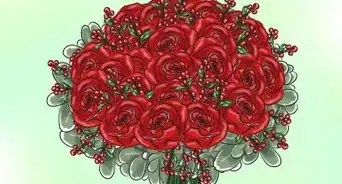
1Cut flowers early in the morning. This is the best time of day because the flowers are fresh from the night's rest and haven't been exposed to a day of warmth.[1]
-
2Cut in the evening. If you're not able to cut flowers in the morning, the evening is the next best choice, as the flowers won't be wilting under the heat of the sun.
-
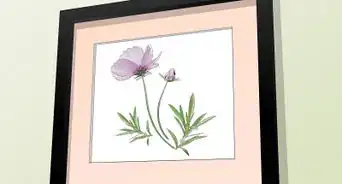
3Avoid cutting flowers when it's the middle of the day. At this time of the day the flowers will have very little moisture and will not last long when placed in a vase or bouquet.[2]
-
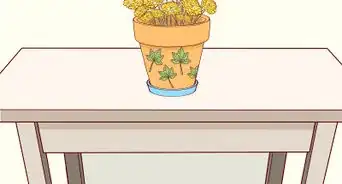
4Choose flowers that are just coming into full bloom for picking. If you pick the flowers before this, there is a risk that they will be too immature to open their buds. And if they're picked well into bloom or towards the end of blooming, they'll fade fast on display in just water. Older blooms will drop petals and pollen everywhere, creating a mess in your house.
- Blooms that are dusted with pollen are past their prime.
- Exceptions to this rule include daffodils and tree blossom; these should be picked when still in bud. The warmth of your house will cause them to open quickly.


Method 2
Method 2 of 4:To pick or to cut?
Method 2
-
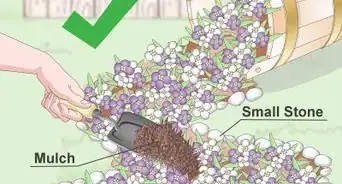
1Although it's common to refer to "picking" flowers, choose to cut most flowers instead, using a sharp pair of scissors or garden snips. You will find that flowers that have been cut will last longer than those picked and this also minimizes damage to the plant.[3]
-
2Note the exceptions. Flowers such as the Iris stylosa and cyclamens need to be pulled out completely, rather than cut. Learn about the specific needs of the flowers in your garden to see which ones fare better being completely removed.
-
3Always ensure that the cutting instrument (scissors, snips, knife, etc.) is sharp and clean. Avoid transferring disease to the flower plant by having dirty snips.[4]


Method 3
Method 3 of 4:How to cut
Method 3


Method 4
Method 4 of 4:Requirements of specific flowers
Method 4
-
1Know which flowers are best picked when. Here are some common garden varieties and their best picking times:[7]
- Daffodils – while in tight bud
- Daisies, dahlias, marguerites - when coming into full bloom; if dusted with pollen, they're not good to pick anymore
- Long flowers such as lupins, foxgloves, delphiniums – when the lower flowers are fully open with some of the upper level buds yet to open
- Poppies – when the buds have just burst open
- Peonies - when the petals begin to unfurl
- Chrysanthemums - when the flowers are fully open.

Community Q&A
-
QuestionWhat kind of water should I place them in?
 Community AnswerI always place my flowers in plain tap water or rain water, so the plant stays fresh longer. Usually, when I add something to the water, my flowers will die sooner.
Things You'll Need
- Sharp cutting tools
- Bucket or pail of room temperature water when picking lots of flowers
References
- ↑ https://www.rhs.org.uk/advice/profile?PID=668
- ↑ https://www.rhs.org.uk/advice/profile?PID=668
- ↑ https://www.bbg.org/gardening/article/cut-flower_care
- ↑ https://www.bbg.org/gardening/article/cut-flower_care
- ↑ https://www.westmountflorist.com/26-blog-the-right-way-to-cut-a-flower-stem.html
- ↑ https://www.bbg.org/gardening/article/cut-flower_care
- ↑ https://www.bbg.org/gardening/article/cut-flower_care