This article was co-authored by Marty Stevens-Heebner, SMM-C, CPO® and by wikiHow staff writer, Madeleine Criglow. Marty Stevens-Heebner is a Certified Professional Organizer (CPO) and Founder of Clear Home Solutions, a home organizing and senior moving management company based in southern California. Marty is the first Certified Senior Move Manager (SMM-C) in the United States and is a Certified Aging in Place Specialist (CAPS) through the National Association of Home Builders. She is the President-Elect and is on the board of directors of the National Association for Senior Move Managers, a member of the National Association of Professional Organizers, and has been acknowledged as a Hoarding Specialist and ADHD Specialist through the Institute for Challenging Disorganization.
There are 19 references cited in this article, which can be found at the bottom of the page.
So you're moving across the country and you're excited as ever! You're probably a little stressed, too. That's completely okay. Moving to a new place, especially somewhere so far from home, is a huge change. Packing smart can really help the process go much more smoothly. If you're looking for some packing tips for your big cross-country move, this article is here to help.
Steps
Method 1
Method 1 of 13:Declutter first so you have less to pack.
-
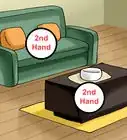
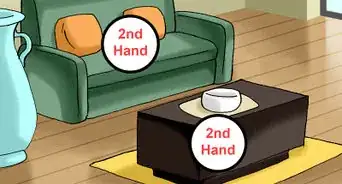
1Donate or give away clothes, furniture, or anything else you don't need. Moving across the country is a ton of work, and you can make it less so by only packing what you really need. Take stock of your closet and sell, donate, or give away anything you don't wear anymore.[1] [2] Sell or donate most of your furniture so you don't have to take up as much space in a moving van, car, or moving pod.[3]
- Sell clothes at consignment or resell shops to make some extra money. You can also donate them to a local nonprofit or a Goodwill location nearby.[4] Some stores will even take your old, ripped clothes and recycle the fabric![5]
- By selling your furniture and electronics, you can use the money you make to buy their replacements.[6]
- Invite your friends over for a free stuff extravaganza. Set out items like clothes, old electronics, furniture, and anything else you don't want for your friends to take.[7]
Advertisement

Method 2
Method 2 of 13:Get plenty of moving boxes.
-
1Places like grocery stores usually have free boxes. Visit a local grocery store and ask someone at the counter if they have any boxes you can take.[8] [9] You can also buy moving boxes at the UPS Store, U-Haul locations, Lowes, or other home improvement stores. Purchase a variety of sizes, like small, medium, and large boxes, to accommodate all of your items.
- Stop by your local liquor store and see if they have any empty boxes.[10]
- Friends and family can also be a great resource for free boxes. Ask around to see if anyone's got extra cardboard boxes laying around their house. Most likely, you'll at least end up with a few.[11]
- Remember to invest in packing material like newspaper and bubble wrap, tape, and box cutters. Buy labels for each box to stay organized.[12]

Method 3
Method 3 of 13:Box up non-essential and least-used items first.
-
1This applies to things like holiday decorations and old items in storage. Appliances you don't use often are also great to pack up at this stage. Hold off on packing things that you'll be using right up until you move, like your microwave, toaster, or television.[13]
- Other things that might fit this category include anything you've been keeping in the garage or attic and arts and craft supplies.
Advertisement

Method 4
Method 4 of 13:Pack up one room at a time to stay organized.
-
1Make a list that includes each room and check it off as you go. To really get organized, color code or label boxes by room. That way, you will at least have a rough idea of where everything should go when you get to your new place.[14]

Method 5
Method 5 of 13:Set aside a box for valuables and important documents.
-
1Keep these separate so you don't lose them during the packing process. Rather than moving these along with your other items, take the box on the road with you to keep it safe. If you're shipping them, opt for a shipping service that offers travel insurance to protect them.[15]
- These items include things like family keepsakes and important documents like ID cards, birth certificates, or financial records.
Advertisement

Method 6
Method 6 of 13:Use vacuum-sealed bags to pack your clothes.

Method 7
Method 7 of 13:Wrap fragile items in paper or bubble wrap.
-
1This keeps them secure in the box. Cushion your plates with newspaper, towels, or paper plates. Stack the plates in the box with one of these in between each plate. This helps prevent your plates from breaking against each other.[18] Protect electronics like TVs, music systems, and DVD players with bubble wrap. Wrap each in bubble wrap individually. Add a protective sheet of bubble wrap or a blanket to the bottom of the box for extra security.[19]
- Position electronics sideways in the box so that they're not all stacked on top of each other.
- Stuff items like blankets, socks, and clothes in between fragile items before closing up the box. This can give your items some extra protection.[20]
- You can also use coffee filters as a cushion between plates.
Advertisement

Method 8
Method 8 of 13:Protect your shoes with packing paper.
-
1This helps them retain their shape and avoid getting scuffed. Cut strips of packing paper and stuff them inside each shoe. Next, wrap each pair in more packing paper and secure the paper with tape. That way they'll be protected from potential damage in the box. Once you've got them all wrapped up, stack each pair in a cardboard box and tape it shut.[21]
- Wrap up large boots individually instead of in pairs if they're too big.
- You can also use newspaper instead of packing paper if you have some available.
- Remember—it's always better to use too much packing paper rather than not enough![22]

Method 9
Method 9 of 13:Line up artwork and picture frames vertically in the box.
-
1Stacking these horizontally can lead to damage in the move. Wrap each picture frame and piece of art in newspaper. Stand them up straight against each other. Add a towel or blanket on top of the box to provide more cushion. Seal the box shut with tape.[23]
- Pack up the box so that there aren't any open gaps. Leaving space in between each piece causes them to shake inside the box, which makes them vulnerable to damage.[24]
Advertisement

Method 10
Method 10 of 13:Label boxes clearly on each side.
-
1Write down the category on each box with a sharpie. You may think you'll remember where you packed everything, but once you go through the process of moving cross country, it'll likely be a blur. Make a clear label on top of each box to help you feel organized and ready to tackle the unpacking process when the time comes.[25] [26]
- This also helps movers or friends know where to put your boxes if they're helping you move.
- Label your fragile boxes to protect them in the move. Use fragile tape or write on the box with a sharpie.[27]

Method 11
Method 11 of 13:Pack an essentials bag for the road.
-
1Keep things like toiletries, a first aid kit, and a jacket in this bag. You can also pack anything you want for the road, like a book, an extra set of clothes, phone chargers, and any other items you'd like easy access to. Keep this bag with you on the way to your new destination.[28] [29]Advertisement

Method 12
Method 12 of 13:Wrap appliances in paper padding.
-
1This gives appliances like microwaves some extra protection in the box. Use the original boxes the appliances came in if you have them (moving boxes will still work, if not). Wrap a twist tie around the electrical cord to keep things secure. Next, wrap the appliance in paper padding like you would a birthday gift. Stuff the bottom of the box with packing paper before placing the appliance in the box. Add packing paper to any remaining gaps and tape the box shut.[32]
- Stick the electrical prong in foam for some added protection.
- Clean your appliances before packing them to avoid bringing any food scraps and crumbs to your new home.[33]

Method 13
Method 13 of 13:Dissassemble furniture and protect it with a moving blanket.
-
1Even if you hire movers, take precautions to keep your furniture safe. Disassemble any furniture that can come apart, like bed frames and tables. Keep the parts together, wrap them in paper or plastic wrap, and pack them up in a cardboard box. Bag up any nuts and bolts and keep those in the box as well. Cover larger furniture, like dressers and sofas, with a moving blanket or protective pad. Wrap large rubber bands around the furniture to secure the blanket in place.[34]
- Moving blankets provide extra cushion for your furniture so that it won't get scuffed or damaged on the drive over.
- If you've hired movers or are using a shipping service, take photos of your furniture before you prep it for moving. This can really help you out if anything gets damaged in the move.[35]
Advertisement

Community Q&A
-
QuestionShould I get insurance when moving?
 Marty Stevens-Heebner, SMM-C, CPO®Marty Stevens-Heebner is a Certified Professional Organizer (CPO) and Founder of Clear Home Solutions, a home organizing and senior moving management company based in southern California. Marty is the first Certified Senior Move Manager (SMM-C) in the United States and is a Certified Aging in Place Specialist (CAPS) through the National Association of Home Builders. She is the President-Elect and is on the board of directors of the National Association for Senior Move Managers, a member of the National Association of Professional Organizers, and has been acknowledged as a Hoarding Specialist and ADHD Specialist through the Institute for Challenging Disorganization.
Certified Professional Organizer & Senior Move ManagerCertified Professional Organizer & Senior Move ManagerExpert AnswerAbsolutely! It's really easy for items to get broken or damaged in transit—you'd be amazed at how things can get turned upside down and stacked on top of each other. It's cheaper to buy insurance than it is to replace your items. -
QuestionWhen should I start packing to move?Marty Stevens-Heebner, SMM-C, CPO®Marty Stevens-Heebner is a Certified Professional Organizer (CPO) and Founder of Clear Home Solutions, a home organizing and senior moving management company based in southern California. Marty is the first Certified Senior Move Manager (SMM-C) in the United States and is a Certified Aging in Place Specialist (CAPS) through the National Association of Home Builders. She is the President-Elect and is on the board of directors of the National Association for Senior Move Managers, a member of the National Association of Professional Organizers, and has been acknowledged as a Hoarding Specialist and ADHD Specialist through the Institute for Challenging Disorganization.
Certified Professional Organizer & Senior Move ManagerCertified Professional Organizer & Senior Move ManagerExpert AnswerGive yourself plenty of time to get packed up! Never do it all the day before, or else you'll end feeling sore. Plus, you probably won't have enough time to get everything done in the span of a day. -
QuestionIs packing paper necessary?Marty Stevens-Heebner, SMM-C, CPO®Marty Stevens-Heebner is a Certified Professional Organizer (CPO) and Founder of Clear Home Solutions, a home organizing and senior moving management company based in southern California. Marty is the first Certified Senior Move Manager (SMM-C) in the United States and is a Certified Aging in Place Specialist (CAPS) through the National Association of Home Builders. She is the President-Elect and is on the board of directors of the National Association for Senior Move Managers, a member of the National Association of Professional Organizers, and has been acknowledged as a Hoarding Specialist and ADHD Specialist through the Institute for Challenging Disorganization.
Certified Professional Organizer & Senior Move ManagerCertified Professional Organizer & Senior Move ManagerExpert AnswerDefinitely! Packing paper is cheap, while breakage isn't. Start by scrunching up a few sheets of packing paper and placing along the bottom of the box. Then, cushion and tuck in your items with packing paper on all sides.


References
- ↑ https://youtu.be/YkskARmXjWM?t=114
- ↑ Marty Stevens-Heebner, SMM-C, CPO®. Certified Professional Organizer & Senior Move Manager. Expert Interview. 14 January 2020.
- ↑ https://www.gq.com/story/how-to-move-cross-country
- ↑ https://youtu.be/YkskARmXjWM?t=114
- ↑ Marty Stevens-Heebner, SMM-C, CPO®. Certified Professional Organizer & Senior Move Manager. Expert Interview. 14 January 2020.
- ↑ https://www.gq.com/story/how-to-move-cross-country
- ↑ https://www.gq.com/story/how-to-move-cross-country
- ↑ https://youtu.be/YkskARmXjWM?t=69
- ↑ Marty Stevens-Heebner, SMM-C, CPO®. Certified Professional Organizer & Senior Move Manager. Expert Interview. 14 January 2020.
- ↑ Marty Stevens-Heebner, SMM-C, CPO®. Certified Professional Organizer & Senior Move Manager. Expert Interview. 14 January 2020.
- ↑ https://youtu.be/YkskARmXjWM?t=69
- ↑ https://www.goodhousekeeping.com/home/organizing/tips/a18092/moving-checklist/
- ↑ https://www.goodhousekeeping.com/home/organizing/tips/a18092/moving-checklist/
- ↑ https://www.goodhousekeeping.com/home/organizing/tips/a18092/moving-checklist/
- ↑ https://www.goodhousekeeping.com/home/organizing/tips/a18092/moving-checklist/
- ↑ https://youtu.be/YkskARmXjWM?t=142
- ↑ Marty Stevens-Heebner, SMM-C, CPO®. Certified Professional Organizer & Senior Move Manager. Expert Interview. 14 January 2020.
- ↑ https://youtu.be/YkskARmXjWM?t=307
- ↑ https://youtu.be/GrTACWogUwU?t=50
- ↑ Marty Stevens-Heebner, SMM-C, CPO®. Certified Professional Organizer & Senior Move Manager. Expert Interview. 14 January 2020.
- ↑ https://youtu.be/rlxvGYco6lE?t=10
- ↑ Marty Stevens-Heebner, SMM-C, CPO®. Certified Professional Organizer & Senior Move Manager. Expert Interview. 14 January 2020.
- ↑ https://youtu.be/YkskARmXjWM?t=342
- ↑ https://youtu.be/YkskARmXjWM?t=369
- ↑ https://youtu.be/YkskARmXjWM?t=502
- ↑ Marty Stevens-Heebner, SMM-C, CPO®. Certified Professional Organizer & Senior Move Manager. Expert Interview. 14 January 2020.
- ↑ https://youtu.be/YkskARmXjWM?t=378
- ↑ https://youtu.be/YkskARmXjWM?t=227
- ↑ Marty Stevens-Heebner, SMM-C, CPO®. Certified Professional Organizer & Senior Move Manager. Expert Interview. 14 January 2020.
- ↑ https://youtu.be/YkskARmXjWM?t=275
- ↑ Marty Stevens-Heebner, SMM-C, CPO®. Certified Professional Organizer & Senior Move Manager. Expert Interview. 14 January 2020.
- ↑ https://youtu.be/EW5AmTH93cQ?t=8
- ↑ https://www.goodhousekeeping.com/home/organizing/tips/a18092/moving-checklist/
- ↑ https://youtu.be/Hdjm99_raQI?t=4
- ↑ https://www.goodhousekeeping.com/home/organizing/tips/a18092/moving-checklist/
- ↑ https://www.gq.com/story/how-to-move-cross-country
- ↑ https://youtu.be/1hW9PnLGQUQ?t=122
- ↑ https://www.businessinsider.com/the-best-hack-for-moving-across-the-country-2015-6
About This Article