This article was co-authored by wikiHow staff writer, Amber Crain. Amber Crain has been a member of wikiHow’s writing staff for the last six years. She graduated from the University of Houston where she majored in Classical Studies and minored in Painting. Before coming to wikiHow, she worked in a variety of industries including marketing, education, and music journalism. She's been a radio DJ for 10+ years and currently DJs a biweekly music program on the award-winning internet radio station DKFM. Her work at wikiHow supports her lifelong passion for learning and her belief that knowledge belongs to anyone who desires to seek it.
There are 9 references cited in this article, which can be found at the bottom of the page.
Learn more...
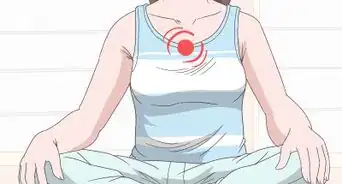
Do you have a difficult time connecting physically or sexually with others? Fear of physical intimacy is a lot more common than you think, and there are lots of reasons why someone might develop it. In this article, we'll walk you through some of the most common causes and symptoms related to a fear of physical intimacy. Once you understand the underlying cause of your fear, you can take steps to address and overcome it (and we'll share ideas to help you get started with that part, too).
Steps
Method 1
Method 1 of 2:Fear of Physical Intimacy Causes and Symptoms
-
1Abandonment issues. Fear of abandonment is usually rooted in childhood experiences like loss, rejection, or trauma. These experiences can be dramatic, like the death of a loved one, neglect, or emotional abuse, but not always. They can also occur on a more subtle level, like in everyday interactions you had with your parents during childhood. Fear of abandonment can also develop after experiencing a difficult adult relationship, but it's less common.[1] Your symptoms might include:
- Deep feelings of insecurity and distrust
- An overwhelming worry that someone you love will leave you
- Neediness or paranoia in relationships
- Fear of emotional and physical intimacy
- Low self-esteem
-
2Sexual abuse in childhood. Being sexually abused is deeply violating and traumatic for a child, especially since it's often carried out by someone close to them. The child grows up associating physical intimacy and sex with memories of violation, trauma, and abuse. It can be tough to disentangle and overcome these negative associations as an adult, but you're already taking the first step if you're here reading this article.[2] If you were sexually abused as a child, you might experience symptoms like:
- Confusion during sexual and/or emotional intimacy
- Discomfort if certain areas of your body are touched
- Difficulty getting sexually aroused, low libido, or avoiding sex completely
- Feelings of distress, shame, or guilt connected to your sexuality
- Difficulty trusting your sexual or romantic partners
- Panic attacks, disassociation, or flashbacks during sexual activity
- Health-risk behaviors like eating disorders and substance use[3]
-
3Rape or intimate partner violence/abuse. The impact of sexual violence leaves its mark on victims long after their physical injuries heal. Victims have to navigate extreme feelings like fear, shame, loneliness, and a deep distrust of others. It’s also common for victims to experience nightmares, flashbacks, PTSD, anxiety/panic attacks, and depression, all of which can cause sexual and intimacy problems of their own.[4] You might notice symptoms like:
- Feeling unsafe in intimate situations
- Inability to connect emotionally
- Intense feelings of guilt and shame
- Flashbacks, nightmares, and intrusive memories
- Panic attacks and symptoms of PTSD
- Feeling physically shut down or detached from bodily sensations
- Problems with concentration and memory
-
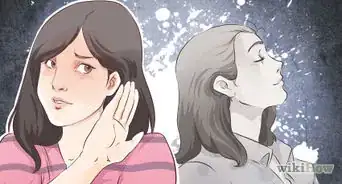
4Genophobia, which is an overwhelming fear of sex.[5] A phobia might develop because of specific incident or trauma, but it can also stem from a learned response you developed early in life, usually from a family member. You may also experience genophobia without being the victim of a past sexual trauma; there's evidence that genetic predisposition plays a role.[6] Symptoms of genophobia can include:
- Irrational and/or debilitating fear of sexual intercourse
- Intense aversion to sexual acts
- Discomfort or fear when touched
- Anxiety and panic attacks
-
5Depression, anxiety, and/or bipolar disorder. Mental health issues and other psychological factors can make it difficult for a person to engage in intimate physical acts like sex and touching. Depression and anxiety are the most common culprits, but there's evidence that people with bipolar disorder may also struggle with a fear of intimacy.[7]
- Unfortunately, the medications used to treat these disorders can cause secondary sexual problems like low libido, erectile dysfunction, and painful intercourse.
-
6Negative body image and/or body dysmorphia. People struggling with negative body image tend to feel shame about their bodies, so they may try to avoid situations (like sex) where someone could see them naked. Body dysmorphic disorder is similar, but people with BDD experience extreme anxiety over a specific physical defect. They may be imagining the defect completely, or the “defect” may be something extremely minor and hardly noticeable.[8] Symptoms may include:
- Extreme anxiety about your body
- Obsessing over perceived defects
- Lower quality of life
- Difficulty forming physical or romantic relationships
- Eating disorders
- Low self-esteem

Method 2
Method 2 of 2:Coping Strategies for Overcoming Fear of Intimacy
-
1Examine and come to terms with any past trauma in your life. In most cases, a fear of physical intimacy is caused by something traumatic that happened to you. Since trauma is painful, it's completely normal if you've done your best to avoid thinking about it until now. It can be scary and uncomfortable to face traumatic incidents, but once we understand and accept what happened to us in the past, it'll be easier to live fully in the present.[9] You can do things like:
- Explore your memories in a private journal
- Tell a trusted friend or loved one about what happened
- Talk to a counselor or therapist
-
2Communicate openly with your partner about your fears. It's important to explain what your fears are and why you have them so your partner fully understands what's going on. Try to talk about sexual intimacy outside the bedroom in a calm, low-pressure environment. For a successful conversation, express your feelings using "I" statements so your partner doesn't feel blamed. Then, discuss ideas for moving forward, setting boundaries, and so on.[10]
- For example, you might say, "I don't feel comfortable being touched there because of what happened to me when I was a child. Let's agree to stay away from that area for now, but we can slowly work toward that once I start feeling more comfortable."
-
3Reframe negative thoughts about physical intimacy in a positive way. People trying to overcoming this fear tend to have a lot of negative thoughts swirling around in their heads about physical intimacy. These thoughts have been there for a long time, so it’s easy to confuse them with facts. Pay attention to the negative thoughts that pass through your mind about sex/physical intimacy and try to immediately replace them with positive thoughts.[11] For example:
- If you think, “Sex is power over someone” change that to “Sex is empowering.”
- If you think, “Sex is hurtful” replace that with “Sex is nurturing and healing.”
- If you think, “Sex is secretive” replace that with “Sex is private.”
- If you think, “Sex is deceitful” change that to “Sex is honest and respectful.”
- If you think, “Sex is unsafe” change that to “Sex is safe.”
- If you think, “Sex is abuse” replace that with “Sex is positive sexual energy.”
-
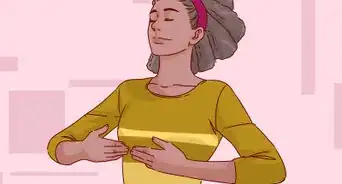
4Practice self-compassion and self-care every day. If you were talking to a friend and they told you about their fear of physical intimacy, you’d readily accept who they are and what they’ve been through, right? Try to show yourself the same care and compassion that you’d give your best friend. You deserve that level of kindness.[12] You can also do things like:
- Try relaxation techniques like meditation and yoga
- Avoid media triggers (graphic news stories, sexually explicit TV shows/movies)
- Eat right, exercise, and get 7-9 hours of sleep every night
- Avoid the temptation to self-medicate with alcohol or drugs[13]
-
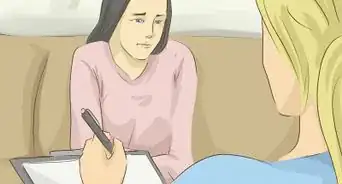
5Seek help from a qualified therapist or mental health professional. Identifying and addressing the underlying cause is a crucial part of overcoming your fears. In most cases, working through your trauma with a mental health professional in a safe space will be much more effective. Having the guidance of a professional may also accelerate the healing process and help you come to terms with your feelings.
- If you're interested in seeing a qualified sex therapist, they can share ideas on how to introduce healthy sexuality into your life.[14]
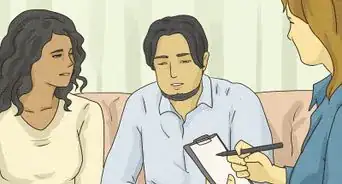
- If you’re married or in a committed relationship, a couple's counselor can help you work through physical intimacy issues together.
-
6Be patient with yourself as you heal. It’s understandable if you want to “push through” your fear so you can start enjoying physical intimacy, but that’s not a healthy way to deal with it. Fear of physical intimacy isn’t something you can defeat overnight, but you can and will defeat it with time. Focus on building your self-esteem, exploring your feelings, and prioritizing self-care. Healing will come.[15]
- Sometimes, it might feel like you aren't making much progress on your healing journey. Please don't get discouraged! As long as you're facing your fears head on and doing your best to deal with them in a healthy way, you're making progress.











References
- ↑ https://www.psychalive.org/fear-of-abandonment/
- ↑ https://livingwell.org.au/relationships/partners-sexual-intimacy/
- ↑ https://www.nctsn.org/what-is-child-trauma/about-child-trauma
- ↑ https://www.helpguide.org/articles/ptsd-trauma/recovering-from-rape-and-sexual-trauma.htm
- ↑ https://psychcentral.com/anxiety/genophobia-fear-of-sex
- ↑ https://www.nhs.uk/mental-health/conditions/phobias/overview/
- ↑ https://www.rtor.org/2019/06/28/mental-health-and-intimacy/
- ↑ https://my.clevelandclinic.org/health/diseases/9888-body-dysmorphic-disorder
- ↑ https://www.psychalive.org/5-strategies-for-dealing-with-your-partners-fear-of-intimacy/
- ↑ https://www.psychalive.org/5-strategies-for-dealing-with-your-partners-fear-of-intimacy/
- ↑ https://livingwell.org.au/relationships/partners-sexual-intimacy/
- ↑ https://www.psychalive.org/fear-of-abandonment/
- ↑ https://www.helpguide.org/articles/ptsd-trauma/recovering-from-rape-and-sexual-trauma.htm
- ↑ https://livingwell.org.au/relationships/partners-sexual-intimacy/
- ↑ https://livingwell.org.au/relationships/partners-sexual-intimacy/
- ↑ https://www.psychalive.org/5-strategies-for-dealing-with-your-partners-fear-of-intimacy/











































Medical Disclaimer
The content of this article is not intended to be a substitute for professional medical advice, examination, diagnosis, or treatment. You should always contact your doctor or other qualified healthcare professional before starting, changing, or stopping any kind of health treatment.
Read More...