This article was co-authored by wikiHow staff writer, Hannah Madden. Hannah Madden is a writer, editor, and artist currently living in Portland, Oregon. In 2018, she graduated from Portland State University with a B.S. in Environmental Studies. Hannah enjoys writing articles about conservation, sustainability, and eco-friendly products. When she isn’t writing, you can find Hannah working on hand embroidery projects and listening to music.
Learn more...
If you are involved in a domestic violence or sexual assault case, you may have had a no-contact order issued by a judge. Breaking this order can lead to a fine or even jail time, so it’s very important to understand the rules and abide by them. We’ve answered some of your common questions about no-contact orders so you can learn more about what they are and why they’re issued.
Steps
Question 1
Question 1 of 6:What are the rules of a no-contact order?
-
1Stay away from the victim’s home and workplace. Most no-contact orders will specify the exact amount that you have to stay away. You also cannot go to places that you know the victim often frequents, like their family’s homes or their school.[1]
-
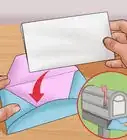
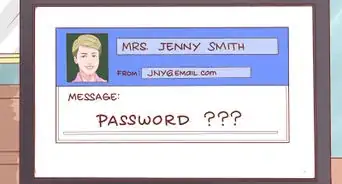
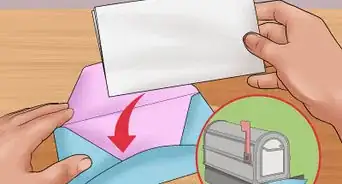
2Do not call, text, or email the victim. You also cannot reach out to them on social media or give a letter to a third party to deliver to the victim. Any forms of communication both offline and online are prohibited.[2]


Question 2
Question 2 of 6:What happens if you break a no-contact order?
-
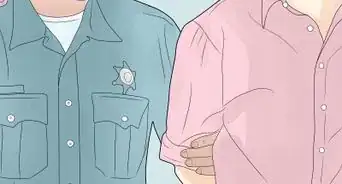
1You could be fined or arrested. Depending on the charges against you and what you did to violate the order, the court may give you a fine or even put you in jail. It’s in your best interest to not violate your no-contact order as best as possible.[3]

Question 3
Question 3 of 6:How would a victim prove the order has been broken?
-
1The victim would take their evidence to the court. Their evidence could be time stamped photos of you, phone records, text messages, or emails. If you’ve violated your no-contact order and the victim has proof, they can take it to a judge or to police. The law will look at the evidence and decide whether or not you actually violated the order.[4]
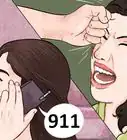
- If you are outside of the victim’s home or place of work, they can call the police and have you arrested.

Question 4
Question 4 of 6:Can you get around a no-contact order?
-
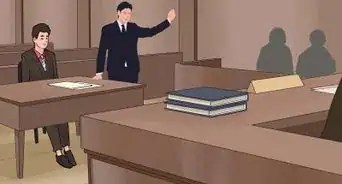
1No, not unless the victim or the court drops it. The victim would have to go to court and ask for the order to be dropped. Keep in mind that the victim can drop some of the order but keep other parts, like the “no abuse” order. If the order was issued by a judge, they would have to drop it, not the victim.[5]
- A victim might choose to drop the no-contact order if they want to rekindle your relationship or even just get together to talk.

Question 5
Question 5 of 6:Do no-contact orders expire?
-
1Yes, they expire after the case is finished. Usually, no-contact orders only last as long as a criminal case is in court. If you are found not guilty, the no-contact order will be terminated. If you plead guilty or no contest, the order expires when your sentencing period is over.[6]
- If you are put on probation or parole, a judge can extend the no-contact order if the victim still feels unsafe.

Question 6
Question 6 of 6:Does a no-contact order go both ways?
-
1No, the victim does not have to stay away from you. Since they’re the ones who requested the no-contact order, they don’t have to follow the same guidelines as you. They are allowed to come to your home, job, or anywhere else you might be. They are also allowed to call, text, and email you if they want to, although they will be encouraged not to by the court.[7]
- Often, if the alleged victim has anything to say to someone that they have a no-contact order against, they will ask a third party to deliver a message.
- Be careful about responding to phone calls or texts from the person who has a no-contact order against you. In some states, responding to the victim (even when they reached out first) is a violation of the no-contact order.

Warnings
- Breaking a no-contact order can lead to a fine or jail time.[8]Thanks!



References
- ↑ https://www.hg.org/legal-articles/no-contact-orders-in-family-law-40051
- ↑ https://www.hg.org/legal-articles/no-contact-orders-in-family-law-40051
- ↑ https://avisolawllc.com/what-happens-if-you-violate-a-protection-order/
- ↑ https://www.womenslaw.org/laws/general/restraining-orders
- ↑ https://www.hg.org/legal-articles/back-together-with-my-abuser-can-i-drop-an-order-of-protection-47090
- ↑ https://app.leg.wa.gov/rcw/default.aspx?cite=10.99.040
- ↑ https://avisolawllc.com/what-happens-if-you-violate-a-protection-order/
- ↑ https://www.masslegalhelp.org/domestic-violence/violate-209a
About This Article