This article was co-authored by Kristi Major and by wikiHow staff writer, Hannah Madden. Kristi Major is an ACE (American Council on Exercise) certified Personal Trainer based in the San Francisco Bay Area. Kristi has over 18 years of personal training experience and more than 90 hours of recertification study in fitness, health, nutrition, and supplementation. She is CPR and AED certified from the American Heart Association and she has a BA in Television Broadcasting.
There are 11 references cited in this article, which can be found at the bottom of the page.
This article has been viewed 5,972 times.
If you’re looking to lose weight, you’ve probably heard of intermittent fasting. This diet, that calls for eating some meals but skipping others, forces your body into a caloric deficit so you can lose weight almost daily. If you’re trying intermittent fasting, there are a few tips and tricks you can implement to make the most out of your new diet. Don’t try intermittent fasting if you’re pregnant, breastfeeding, or taking medication that affects your blood pressure.[1]
Steps
Method 1
Method 1 of 12:Pick the level of fasting that works for you.
-
1There are 3 main types of intermittent fasting: Alternate day fasting, where you eat one day but not the next; modified fasting, where you eat very little food on fasting days; and time-restricted fasting, where you only eat food within an 8 to 12 hour period.[2]
- In general, time-restricted fasting is the method people use for weight loss. Alternate day fasting and modified fasting are fairly extreme, and they can be unhealthy for some people.
Advertisement

Method 2
Method 2 of 12:Create your own fasting schedule.
-
1Intermittent fasting can be completely personalized to your needs. If you don’t get hungry until the afternoon, try fasting overnight and into the morning. If you often wake up super hungry, try eating from the time you wake up until the early afternoon.[3]
- Many people choose the 16/8 method: eating for 8 hours and fasting for 16 hours. This is a great long-term fasting regimen that is easy to stick with.

Method 3
Method 3 of 12:Eat a lot of fruits and veggies.
-
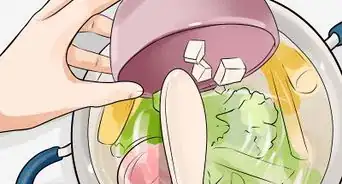
1When you do eat, it’s important to eat the right stuff. Fruits, vegetables, beans, and lentils are all great fuel for your body and will give you enough nutrients to last through your next fasting.[4]
- Try to eat about 4 servings of fruit and 5 servings of vegetables per day.[5]
- Sugary, processed foods are not the best choice, since they’re often empty calories.
- Intermittent fasting works well with low-carb, low-sugar diets like the keto diet. However, if you're eating a lot of sugar and carbs, your blood sugar is constantly spiking and crashing.[6]
Advertisement

Method 4
Method 4 of 12:Focus on eating protein-rich foods.
-
1Foods like these will fill you up and keep you full. Grilled salmon, grilled chicken, tofu, egg whites, and yogurt are all great meal options to choose throughout the day.[7]
- Try to eat around 50 grams of protein per day.[8]
- For snacks, you might try some peanut butter or a handful of nuts for some protein and healthy fats.

Method 5
Method 5 of 12:Eat foods that fill you up.
-
1Fiber-rich and protein-rich foods are perfect for intermittent fasting. Veggies, beans, squash, chicken, fish, plain popcorn, and nuts are just some of the foods that will keep you feeling full for longer. Stay away from sugar, bad fats, and alcohol, as those won’t fill you up.[9]
- If you stay full, you’re more likely to stick to your fasting regimen (and you’ll have a better time of it since you won’t be hungry all day).
Advertisement

Method 6
Method 6 of 12:Exercise daily.
-
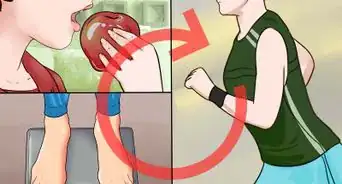
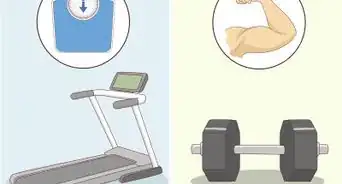
1Diet and exercise go hand in hand. Try to get at least 30 minutes of moderate exercise every day to enhance your caloric deficit and maximize your fasting results. Exercising will also help you build muscle tone and keep your body fit.[10]
- Exercising on an empty stomach can be tough. If you’re fasting, try walking, stretching, or doing yoga.
- You could try lifting weights, jogging, running, swimming, or hiking during periods that you’re not fasting.

Method 7
Method 7 of 12:Try not to overeat during your eating periods.
-
1It might feel natural to reward yourself after a fasting period. However, eating too much food can negate any work you’ve already done. When you aren’t fasting, be sure to monitor the amount of calories you’re taking in so you only eat one day’s worth, not two.[11]
- You should still try to eat healthy, balanced meals, even if you’re not in a fasting period.
Advertisement

Method 8
Method 8 of 12:Stay hydrated.
-
1It’s easy to get dehydrated when you’re fasting. Make sure you’re drinking plenty of water, and try keeping a water bottle nearby so you can take a drink anytime you’re thirsty. Stay away from dehydrating liquids, like coffee and alcohol, to maximise your hydration.[12]
- Most people hydrate when they sit down to eat a meal. When you aren’t eating meals throughout the day, it’s easy to forget to drink water.

Method 9
Method 9 of 12:Don’t eat at nighttime.
-
1Schedule your meals during the day to avoid storing extra fat. Many studies show that the body tends to store food eaten late in the day to conserve energy overnight. If you’d like to maximize your weight loss results, eat your last meal around dinner time.[13]
- Even during periods you aren’t fasting, you should still avoid eating at night.
Advertisement

Method 10
Method 10 of 12:Stick to a good sleep schedule.
-
1Try to get between 7 and 9 hours of sleep every night. Go to bed and wake up around the same time every day to create a routine you can stick to. This will help your body regulate its metabolism and burn more calories throughout the day.[14]
- Try to avoid coffee and alcohol later in the day, as they can keep you awake.

Method 11
Method 11 of 12:Push through the hunger pains.
-
1It can take your body up to a month to adjust to your new eating habits. If you normally eat 3 meals a day, skipping some or all might be a little tough. Try to distract yourself with work, school, or hobbies to continue intermittent fasting.[15]
- Some people try supplementing their meals with water, tea, or decaf coffee.
- When you first start intermittent fasting, you might feel a little fatigued, irritable, or distracted. These things are normal, and they usually get better within a month or so.
Advertisement

Method 12
Method 12 of 12:Stop fasting if it interferes with your daily life.
-
1Symptoms that don’t go away after a month can be challenging to deal with. Irritability, feeling cold, persistent hunger, fatigue, distraction, and lower work performance are all things that could happen when you don’t eat. If these symptoms become too much for you, go back to eating 3 balanced meals per day.[16]
- Intermittent fasting may also put you more at risk for disordered eating, which can lead to an eating disorder. If you’ve struggled with disordered eating in the past, intermittent fasting may not be right for you.

Expert Q&A
Did you know you can get expert answers for this article?
Unlock expert answers by supporting wikiHow
-
QuestionDo you need to change your diet when you're doing intermittent fasting?
 Kristi MajorKristi Major is an ACE (American Council on Exercise) certified Personal Trainer based in the San Francisco Bay Area. Kristi has over 18 years of personal training experience and more than 90 hours of recertification study in fitness, health, nutrition, and supplementation. She is CPR and AED certified from the American Heart Association and she has a BA in Television Broadcasting.
ACE Certified Personal TrainerI think intermittent fasting really works well with the keto diet, but I wouldn't recommend it if you're just eating regularly. With the keto diet, you're primarily eating a lot of fat and hardly any carbs, so your blood sugar isn't spiking and you can go a while without eating.
Support wikiHow by unlocking this expert answer.
Warnings
- Intermittent fasting is not yet recommended by scientists and experts since there are no long-term studies on its effects.[18]Thanks!











References
- ↑ https://www.mayoclinic.org/healthy-lifestyle/nutrition-and-healthy-eating/expert-answers/intermittent-fasting/faq-20441303
- ↑ https://www.eatright.org/health/weight-loss/fad-diets/what-is-intermittent-fasting
- ↑ https://www.hopkinsmedicine.org/health/wellness-and-prevention/intermittent-fasting-what-is-it-and-how-does-it-work
- ↑ https://www.health.harvard.edu/blog/intermittent-fasting-surprising-update-2018062914156
- ↑ https://www.heart.org/en/healthy-living/healthy-eating/add-color/fruits-and-vegetables-serving-sizes
- ↑ Kristi Major. ACE Certified Personal Trainer. Expert Interview. 28 October 2019.
- ↑ https://www.cnn.com/2018/03/23/health/intermittent-fasting-food-drayer/index.html
- ↑ https://www.health.harvard.edu/blog/how-much-protein-do-you-need-every-day-201506188096
- ↑ https://www.cnn.com/2018/03/23/health/intermittent-fasting-food-drayer/index.html
- ↑ https://www.health.harvard.edu/blog/intermittent-fasting-surprising-update-2018062914156
- ↑ https://www.cnn.com/2018/03/23/health/intermittent-fasting-food-drayer/index.html
- ↑ https://intermountainhealthcare.org/blogs/topics/live-well/2020/01/what-is-intermittent-fasting/
- ↑ https://www.health.harvard.edu/blog/intermittent-fasting-surprising-update-2018062914156
- ↑ https://www.psychologytoday.com/us/blog/sleep-newzzz/201904/what-is-intermittent-fasting-and-will-it-help-your-sleep
- ↑ https://www.mayoclinic.org/healthy-lifestyle/nutrition-and-healthy-eating/expert-answers/intermittent-fasting/faq-20441303
- ↑ https://foodandnutrition.org/from-the-magazine/investigating-intermittent-fasting/
- ↑ https://intermountainhealthcare.org/blogs/topics/live-well/2020/01/what-is-intermittent-fasting/
- ↑ https://foodandnutrition.org/from-the-magazine/investigating-intermittent-fasting/
About This Article