wikiHow is a “wiki,” similar to Wikipedia, which means that many of our articles are co-written by multiple authors. To create this article, 11 people, some anonymous, worked to edit and improve it over time.
This article has been viewed 94,558 times.
Learn more...
Buttermilk is traditionally either the liquid taken from making butter or is specifically cultured from bacteria. Both of these ways of creating buttermilk are fairly time consuming, albeit rewarding, for the self-sufficient householder. However, many cooks are hoping to get the tangy flavor that buttermilk is renowned for, only to discover they didn't buy any buttermilk; in such a case, instant buttermilk substitutes are the solution, and these are offered here as well as the more traditional method for making buttermilk.
Steps
Method 1
Method 1 of 4:Making Buttermilk from a Culture
While time-consuming, this is the most true-to-type buttermilk available. Once you've tried the first batch at home, it's likely you'll want to keep making your own fresh version.
-
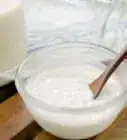
1Add a bacterial starter of 6 to 8 ounces/180-235ml of active fresh cultured buttermilk to a clean quart jar. Use 6 ounces/180 milliliters (6.1 fl oz) if you are certain of the freshness of the starter. When in doubt, use a full cup of buttermilk as starter.
-
2Fill the rest of the jar with fresh milk.Advertisement
-
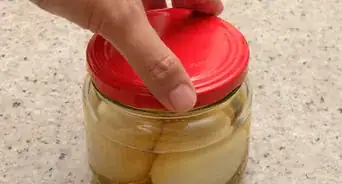
3Screw the lid on on securely. Shake thoroughly to mix. Label the jar with the date.
-
4Let the jar sit out in a warm part of the room until thickened. This should take about 24 hours. If you find it takes longer than 36 hours, the starter was no longer active (meaning that the bacteria has died). The buttermilk may or may not be tasty if it takes longer than 36 hours but it can still be used for baking.
-
5Check to make sure the thickened buttermilk coats the glass. This happens because the bacteria have fermented the milk, and the lactic acid is causing the milk proteins to thicken. Refrigerate immediately.Advertisement


Method 2
Method 2 of 4:Capturing Buttermilk when Making Butter
-
1Make butter. There are various methods for doing this––see How to Make Butter for your preferred method.
-
2Capture the buttermilk as you knead the butter. The buttermilk will appear at various stages of making butter and most of it can be drained into a pouring jug and kept for use in cooking.
- Be aware that the last "dregs" of the buttermilk might not be as palatable as the first buttermilk. However, this end buttermilk can still be given to livestock or pets for nourishment.
Advertisement


Method 3
Method 3 of 4:Substitutes for Buttermilk
Making Substitute Buttermilk from Yogurt
This is a fast substitute for buttermilk that makes use of the tangy flavor already present in the yogurt.
-
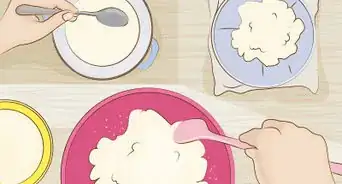
1Mix 3/4 of a cup of plain, quality yogurt with 1/4 cup of milk.
-
2Stir. Let stand for 5 minutes.
-
3Use as required in the recipe.Advertisement


Making Substitute Buttermilk with Vinegar
This is a quick fix substitute solution that doesn't take long. It won't be anywhere near as rich as real cultured buttermilk but it still carries the tangy taste that is often required by a recipe calling for buttermilk.
-
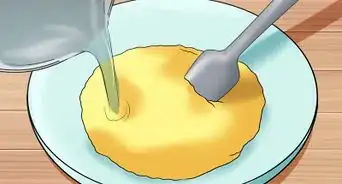
1Pour a cup of milk into a mixing bowl.
-
2Add one tablespoon of quality white wine vinegar.
- If you don't have vinegar, use lemon juice in the same quantity.
-
3Let stand. The mixture will curdle after about 5 minutes.
-
4Use as required in the recipe asking for buttermilk.Advertisement


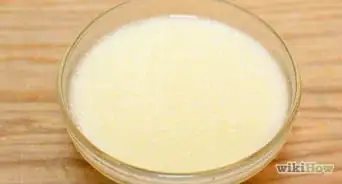
Making Substitute Buttermilk with Cream of Tartar
-
1Pour a cup of milk into a mixing bowl.
-
2Add 1 3/4 teaspoon of cream of tartar to 2 tablespoons of milk taken from the bowl. Then add the mixed liquid to the remaining milk in the bowl.
- Mixing the cream of tartar first will prevent it from forming lumps, as it will do if added to a larger amount of liquid.
-
3Mix well. The milk will turn acidic from the cream of tartar and the tanginess will carry over into the food you're making.Advertisement


Making Substitute Buttermilk with Lemon


Method 4
Method 4 of 4:Using Buttermilk
-
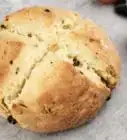
1Buttermilk has various uses, most of them involve baking or cold drinks. Buttermilk breaks if heated to a near boil, which is why it tends to be confined to baking and cold foods. Most commonly, buttermilk is used for:
- Buttermilk scones or buttermilk biscuits
- Buttermilk pancakes
- Buttermilk cake
- Improving the texture of smoothies and ice cream (as well as adding a tangy taste)
- Enriching soups and dressings: When added to cold soups and salad dressings instead of cream or milk, buttermilk imparts a velvety and thick texture.

Community Q&A
-
QuestionHow long will it keep in the fridge?
 Community AnswerYou can keep buttermilk in the fridge for about two weeks.
Things You'll Need
- Culturing jar if making from bacteria
- Clean storage container, preferably glass, for keeping the buttermilk
- Mixing bowl and mixing implements
References
- http://joythebaker.com/2009/10/the-best-buttermilk-substitutions/ – research source
- https://www.wikihow.com/Make-Cultured-Buttermilk – research source